In part 4 of this Frontline Forum series, John M. Strasswimmer, MD, PhD; Andrew H. Weinstein, MD; Neal Bhatia, MD; Laura Ferris, MD; and Aaron S. Farberg, MD, discuss solutions for managing and treating patients with basal cell carcinoma.
In part 4 of this Frontline Forum series, John M. Strasswimmer, MD, PhD; Andrew H. Weinstein, MD; Neal Bhatia, MD; Laura Ferris, MD; and Aaron S. Farberg, MD, discuss solutions for managing and treating patients with basal cell carcinoma.
In part 3 of this Frontline Forum series, John M. Strasswimmer, MD, PhD; Andrew H. Weinstein, MD; Neal Bhatia, MD; Laura Ferris, MD; and Aaron S. Farberg, MD, discuss solutions for managing and treating patients with basal cell carcinoma.
In part 2 of this Frontline Forum series, John M. Strasswimmer, MD, PhD; Andrew H. Weinstein, MD; Neal Bhatia, MD; Laura Ferris, MD; and Aaron S. Farberg, MD, discuss solutions for managing and treating patients with basal cell carcinoma.
In part 1 of this Frontline Forum series, John M. Strasswimmer, MD, PhD; Andrew H. Weinstein, MD; Neal Bhatia, MD; Laura Ferris, MD; and Aaron S. Farberg, MD, discuss solutions for managing and treating patients with basal cell carcinoma.

A key factor associated with delayed diagnosis for non-White patients is the lack of awareness that their symptoms are associated with a treatable medical condition, according to Oma Agbai, MD, and Lisa Nyanda-Manalo, MD.

Research published in JAMA Dermatology finds dupilumab works quickly and safely for patients with erythrodermic atopic dermatitis.

Uncombable hair syndrome (UHS) can cause distress for families, but dermatologists can help with the rare genetic disease diagnosis and management.

A study published in Future Medicine finds consistent use of the treatment is difficult for patients to maintain in a real-world setting.

A review published in the International Journal of Molecular Sciences described advanced BCC molecular mechanisms and resulting targeted therapies.
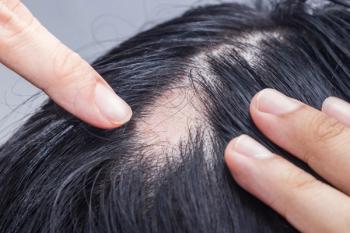
Understanding traction alopecia (TA) is essential to helping patients prevent hair loss and repair damage.

The study published in the Journal of Investigative Medicine High Impact Case Reports found that treatment resulted in complete bone marrow response in refractory BPDCN.

A retrospective study published in the journal Blood Advances found that hyperfractionated cyclophosphamide, vincristine, adriamycin, and dexamethasone chemotherapy treatment (HCVAD) had higher rates of complete remission (CR) compared with other therapy regimens.

The compiled care standards and areas of need for BPDCN were recently published as a position statement in the journal, Blood.

An expert weighs in on the latest updates in clinical research about this rare blood cancer that often manifests with cutaneous lesions.

A world leader in BPDCN explains how using social media can enhance dermatologists’ knowledge about this rare form of aggressive blood cancer.

Understanding the main causes and staying current on recommendations and treatments will help reduce patient rates of the condition.

Wilson Liao, MD, professor and vice chair of research in the Department of Dermatology at the University of California, San Francisco (UCSF) School of Medicine, and colleagues conducted a study examining the role of supplements and diets in managing psoriasis.

Nail psoriasis is not as uncommon as some patients with psoriasis may believe.

Results from an online, anonymous, questionnaire-based analysis conducted by Patrycja Rogowska, MD, and colleagues, were published in Clinical, Cosmetic and Investigational Dermatology.

Results of methotrexate dosing for patients with psoriasis were published in the Journal of the American Medical Association Dermatology.

A study suggests telomeres shortened by oxidative stress are correlated with aging, adding to a growing body of evidence.

A study published in JAAD International examined the association between psoriasis and adverse pregnancy outcomes (APOs) and found that providers should be on the lookout for ectopic pregnancies (EP) in this population.

The Journal of the American Academy of Dermatology update for treating patients of color (POC) advances equity in cosmetic procedures and increases practitioner knowledge for skin of color (SOC).

Overall, non-melanoma skin cancer (NMSC) visits (all pooled specialties/areas) have been plateauing. However , metropolitan but not rural areas saw an increase in visits where NMSC was the chief complaint. However, the percentage of NMSC in rural areas that is managed by dermatologists and dermatologic surgeons is also on the rise, according to a presentation given at the 2022 American College of Mohs Surgery Annual Meeting.
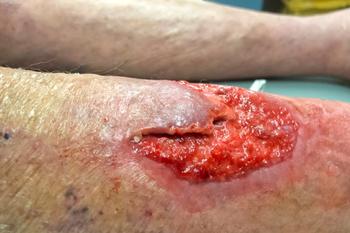
Topical tranexamic acid is an effective wound care adjunct in reducing rates of postoperative bleeding of granulating defects in Mohs micrographic surgical settings.

Single-stage periosteal flap technique to treat full-thickness eyelid defects is safe, effective, and aesthetically acceptable, according to a study presented at the 2022 American College of Mohs Surgery Annual Meeting on May 12, 2022.

Chinese patients with moderate to severe crow’s feet lines reported high levels of satisfaction with onabotulinumtoxinA treatment, according to a recently published study.

A comprehensive review explored new uses of this popular technology in aesthetic and medical dermatology.

An expert debunks the myths surrounding sun-related factors associated with melanoma in a presentation at the 2022 American Academy of Dermatology Annual Meeting.
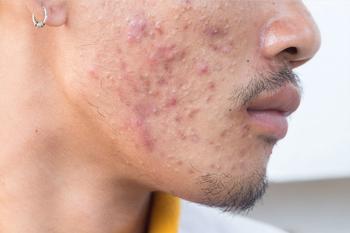
Researchers at the University of California in San Diego have discovered extrafollicular skin cells that transform into antimicrobial fat cells and fight acne, according to a study published in Science Translational Medicine.

January 26th 2022

April 22nd 2022

January 29th 2021