


A glimpse at what to expect from Dermatology Times this week.
A glimpse at what to expect from Dermatology Times this week.

In case you missed it, some of this week’s featured content includes a new podcast episode, a video series on the COVID-19 vaccine and dermal fillers, topical PRP, expansion of the CoolSculpting portfolio, combination therapies as the future of rosacea treatment, plus more.

Experts are recommending combination therapies as a way to treat rosacea, according to a presentation at ODAC Dermatology, Aesthetic and Surgical Conference 2021 Pre-Conference Sneak Peek Inflammatory Diseases Virtual Symposium.

In the final part of our interview with Whitney Bowe, MD, she reveals her tips and tricks for both preventing and minimizing any adverse reactions in her filler patients who might have also received the COVID-19 vaccine.

Candela announces the launch of its Frax Pro system, featuring dual-depth skin resurfacing with both novel Frax 1940 and Frax 1550 applicators.

Safety profiles remain consistent longer-term but cost and accessibility are major challenges for biologics aimed at treating psoriasis.

In part 4 of our interview with Whitney Bowe, MD, she dives into the multiple methods physicians can use to treat adverse reactions from the COVID-19 vaccine in their dermal filler patients.

Recent reports have been surfacing in regard to adverse reactions in dermal fillers patients who have also received the COVID-19 vaccine. Whitney Bowe, MD, New York City, New York, discusses this phenomenon and provides some tips for preventing and treating these side effects.

Allergan Aesthetics plans on expanding its CoolSculpting portfolio with the launch of its novel CoolSculpting Elite device that targets visible fat in nine different areas of the body.

In part 3, Whitney Bowe, MD, suggests how physicians should manage their patients' expectations when it comes to HA fillers and the COVID-19 vaccine.

Galderma announced the launch of its Face for Change program that allows abobotulinumtoxinA (Dysport) patients to give back with each treatment received to either Dress for Success or The Skin Cancer Foundation.

In the second part of our interview with Whitney Bowe, MD, she reveals the type of fillers that have been linked to adverse reactions in dermal filler patients who have received the COVID-19 vaccine.
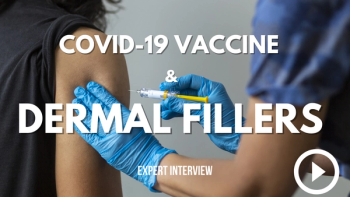
In this expert interview, Whitney Bowe, MD, explains the rare adverse reactions the medical community has recently been seeing in dermal filler patients who received the COVID-19 vaccine.

This week’s edition of The Mainstream Patient features stories on skin icing, TikTok skinfluencers and their impact on the beauty industry, skin picking, blister care, plus more.
A glimpse at what to expect from Dermatology Times this week.
ICYMI, some of the content featured this week includes stories on rosacea pathogens, IL-17 and IL-23 inhibitors for psoriasis, navigating practice challenges during a pandemic, and more.

MJH Life Sciences COVID-19 Coalition webinar on Jan. 26 will focus on COVID-19 variants emerging around the globe.
A recent study finds that payer sway in a region hurts not only patient care, but also physician pay.
This week’s edition of The Mainstream Patient features stories on the benefits of lactic acid, itchy skin during the winter, tretinoin, 2021’s biggest beauty trend, plus more.

A glimpse at what to expect from Dermatology Times this week.
ICYMI, some of the content featured this week includes a new podcast episode and stories on finasteride, telehealth, medical device company acquisitions, updates in acne research, plus more.

A retrospective study shows significant differences in the characteristics of patients seen by telehealth during the COVID-19 pandemic versus those seen during in-office visits 1 year earlier.
This week’s edition of The Mainstream Patient features stories on acne treatment alternatives, dermal fillers, skincare regimens for psoriasis, wet hair care, laser treatments, plus more.

A glimpse at what to expect from Dermatology Times this week.
ICYMI, some of the content featured this week includes new study results on DAXI, expanding systemic therapies for psoriasis, COVID-19 induced skin challenges, plus more.

A new guidance from the American Society for Dermatologic Surgery (ASDS) has been released regarding side effects from the SARS-CoV-2 mRNA vaccine on dermal fillers.

The COVID-19 vaccine, and the speed at which it was developed, is the medical breakthrough of our lifetimes.
This week’s edition of The Mainstream Patient features stories on milia, alcohol in skincare, body acne, silicone sheet masks, plus more.
A glimpse at what to expect from Dermatology Times this week.
ICYMI, some of the content featured this week includes a video series on how cybercriminals and data breaches can affect dermatology practices, as well as stories on our top videos and podcast episodes of the year, plus more.