

This week’s edition of The Mainstream Patient features stories about purchasing non-toxic sunscreen, biologics for psoriasis, biotin for hair growth, "bacne", plus more.
This week’s edition of The Mainstream Patient features stories about purchasing non-toxic sunscreen, biologics for psoriasis, biotin for hair growth, "bacne", plus more.

In this month’s “Meet the Aesthetic Expert” column, Will Kirby, DO, FAOCD, talks with Edrice Simmons, senior vice president for US brands for Allergan Aesthetics, an AbbVie company, about entering the aesthetics industry, innovation, and implementing approachable and representative marketing campaigns.

A glimpse at what to expect from Dermatology Times this week.

ICYMI, some of this week’s featured content includes coverage from the ABM Perspectives symposium, a new device cleared for the treatment of wrinkles, an update on the benzene contamination in sunscreens, and more.

The newest FDA indication allows for greater distribution to younger but equally vulnerable immunocompromised patients.
This week’s edition of The Mainstream Patient features stories about skin care ingredients to avoid while breastfeeding, psoriatic arthritis management tips, Monistat for hair growth, plus more.

A glimpse at what to expect from Dermatology Times this week.

ICYMI, some of this week’s featured content includes systemic treatment for pediatric AD, a new video game for dermatologists, St. Jude's registry for pediatric melanoma, and more.
This week’s edition of The Mainstream Patient features stories about a new TikTok-inspired acne treatment, skin care ingredient absorption, injectable psoriasis treatments, plus more.

Christopher Bunick, MD, PhD, provides an update on benzene contamination in sunscreen, including a recent recall from Johnson & Johnson.

Level Ex has announced its Top Derm Game as its expansion into the dermatology specialty.

A glimpse at what to expect from Dermatology Times this week.
ICYMI, some of this week’s featured content includes practice management tips, SGT-510 for psoriasis, July skin care, plus more.

Looking to get your practice ahead of the rest post-COVID-19? These 10 practical practice management tips will help you jump start your practice into the future.
July marks the 1 year anniversary since the launch of The Cutaneous Connection Podcast. Check out what episodes were the most popular here.
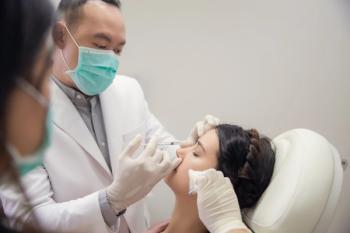
The Dermatologic Surgery journal published a study on who performs cosmetic injections at dermatology and plastic surgery practices.

With in-person conferences coming out of the shadows and into the light once again, we detail a guide to Aesthetics Biomedical’s “Perspectives. The Evolution of Aesthetics” symposium happening July 24.
This week’s edition of The Mainstream Patient features stories about eyelid eczema, biologics, jojoba oil for acne, plus more.
A glimpse at what to expect from Dermatology Times this week.
ICYMI, some of this week’s featured content includes AI in dermatology, mental health and PsA treatment, AD therapies, at-home keratosis pilaris treatments, plus more.

Brickell BioTech, Inc announced the completion of its Cardigan I study and final enrollment of the Cardigan II study.

The American Society for Dermatologic Surgery is having two meeting experiences this year, an in-person meeting October 14-17 in Chicago, Illinois and a virtual meeting November 19-21.

Explore what dermatologic drugs the FDA will decide to approve during July 2021.
This week’s edition of The Mainstream Patient features stories about perioral dermatitis, rosacea, forever chemicals in cosmetics, plus more.

A glimpse at what to expect from Dermatology Times this week.
ICYMI, some of this week’s featured content includes practice management tips, microneedling for improving skin laxity and fat deposits, nasal papules linked to acne, plus more.

A survey from Tempus shows that the pandemic affected many American’s health care.

In this third part of our webinar recap series, our expert panelists discuss financials involved in the dermatology business and how to navigate debts, profits, taxes, and more.

Galderma receives Restylane Contour FDA approval for cheek augmentation and correction of midface contour deficiencies.
This week’s edition of The Mainstream Patient features stories about skin care texture, scalp acne treatments, sanitizing beauty products, jade rollers, plus more.