


The FDA has announced steps at improving the quality, safety, and efficacy of sunscreens.
The FDA has announced steps at improving the quality, safety, and efficacy of sunscreens.

The announcement is part of a slate of new vaccine mandates announced Sept. 9.

The agency wants to give clarity to the Health Breach Notification Rule.

A glimpse at what to expect from Dermatology Times this week.

ICYMI, some of this week’s featured content includes FDA warnings about JAK inhibitors, and articles about laser treatment for lentigines, Image-Guided Superficial Radiotherapy for BCC and SCC, the risk of insomnia in vitiligo patients, plus more.

The drop in use was starkest in the northeast.
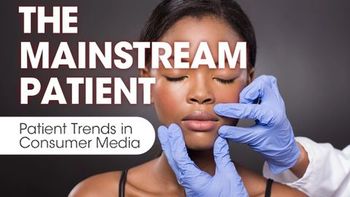
This week’s edition of The Mainstream Patient features stories about albinism, salt water for acne, curl gatekeeping, dry scalp, exercising with psoriatic arthritis, plus more.

A glimpse at what to expect from Dermatology Times this week.

Hilary Baldwin, MD, presents on keloids in light skin patients, hypopigmentation after treatment, to stitch or not to stitch, and more.
ICYMI, some of this week’s featured content includes what's trending in skincare for September 2021, and articles about pyschodermatology of acne in adolescents, drug related psoriasis, the link between psoriasis and dementia, plus more.

A glimpse at what to expect from Dermatology Times this week.

ICYMI, some of this week’s featured content includes a new podcast episode, and articles about a new black box warning for certain JAK inhibitors, guselkumab vs secukinumab, updates in lasers and light devices, plus more.
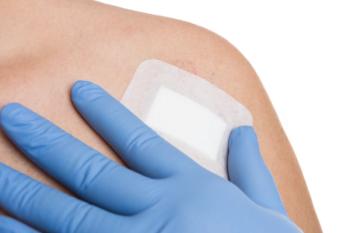
Omeza announced yesterday that the FDA has given 510(k) clearance for the Omeza Collagen Matrix for chronic wound care.

This week’s edition of The Mainstream Patient features stories about albinism, salt water for acne, curl gatekeeping, dry scalp, exercising with psoriatic arthritis, plus more.

A glimpse at what to expect from Dermatology Times this week.
ICYMI, some of this week’s featured content includes the ACP encouraging all vaccinations, video interviews diet and supplement in psoriasis treatment, articles on safety, efficacy study results for abrocitinib, SCALE conference coverage and more.
This week’s edition of The Mainstream Patient features stories about psoriasis and its effect on one's love life, dissolving lip filler, scalp psoriasis, how to safely remove Halloween makeup, plus more.

A glimpse at what to expect from Dermatology Times this week.
ICYMI, some of this week’s featured content includes a new podcast episode, video interviews about FDA delays and sunscreen recalls, articles on topline study results for alopecia areata and utilizing the psoriasis toolbox, plus more.

The development and implementation of quality improvement (QI) programs can positively impact patient care and outcomes. As such, it behooves physicians to research and implement QI practice initiatives and measures in their practice.
This week’s edition of The Mainstream Patient features stories about psoriasis, pityriasis rosea, microcurrent facials, preventative Botox, plus more.

In this exclusive video interview, David Prokupek, CEO, Ideal Image, sits down with Dermatology Times to discuss the company's new affiliate program aimed at expanding its national point of care network.
Ideal Image has announced the launch of its new affiliate program to help expand its national point of care network.

The president wants legislators to allow Medicare to negotiate drug prices.

A glimpse at what to expect from Dermatology Times this week.
ICYMI, some of this week’s featured content includes video interviews about ellacor for wrinkles and diversity and wellness in dermatology. Plus, stories on new FDA approvals, advances in the AD pipeline, our top hair loss articles, and more.

Researchers from UT Southwestern Medical Center have investigated a new way to use AI to determine the metastatic potential of melanoma.
This week’s edition of The Mainstream Patient features stories about gua sha facial massages, kojic acid for hyperpigmentation, fragrance in skin care, plus more.

A glimpse at what to expect from Dermatology Times this week.
ICYMI, some of this week’s featured content includes a new podcast episode, video interviews about FDA delays and sunscreen recalls, articles on topline study results for alopecia areata and utilizing the psoriasis toolbox, plus more.