

Dr. Chilukuri discusses how to create a smooth and prosperous transition for that new device into your practice.
Dr. Chilukuri discusses how to create a smooth and prosperous transition for that new device into your practice.
Two physicians talk over-filled lips – why they happen and tips for more natural treatment results.
Connell announces exclusive distribution agreement for Asia-Pacific with biodesign company, Geltor, known for its 100% animal- and GMO-free proteins.

Drug development in acne is currently focused on targeting inflammation and reworking the vehicles of existing active drugs to increase their efficacy and tolerability, according to this expert.


Interleukin-29 (IL-29) is a newly discovered cytokine that has become the subject of increased research attention for its role in inflammation and inflammatory autoimmune disorders and therefore as a target for novel therapeutic development.
Clascoterone 1% cream is in late stage development for acne treatment and in a higher strength solution for androgenetic alopecia. Read more about this novel treatment here.

Drs. Lilit Garibyan, Steve Xu and Kachiu C. Lee highlight a grassroots initiative that encourages physicians to become more involved in innovation in dermatology.

To recognize the one year anniversary of our Innovation column, the Dermatology Times Staff has compiled key takeaways from topics covered throughout the year. View them in this slideshow.
Another neurotoxin is in the pipeline, but will this one fill an unmet need? Dr. Joel Cohen explains.

A recent study examines the surgical time and financial savings when using 3D-printed models and surgical guides.

Hilary Baldwin, M.D., discusses the nuances of adult female acne and its treatments in her presentation at the Fall Clinical Dermatology Conference in Las Vegas.

Radiodermatitis affects approximately 95% of all patients who receive radiation therapy for cancer - many of who are women undergoing breast cancer treatment. A recent study has found that developing the condition has a significant and detrimental impact on breast cancer patients' overall quality-of-life.

What were the treatment trends of 2018 according to ASDS research? Joely Kaufman, M.D., chair of the ASDS survey work group, explains.

Bioidentical hormones have been shown to decrease and prevent the risk of Alzheimer’s, osteoporosis and heart disease, which parallels the increased risk that comes with aging. Should you be offering HRT to your patients?

With 4 decades of dermatology advances, we asked the very dermatologist experts who we often contact to help us to report on the milestones to weigh in on what they think have made the most difference in theirs and their patients’ lives.
Bioidentical hormones have been shown to increase skin hydration and reduce skin atrophy. Dr. Ronald Moy discusses the benefits - and the hormones themselves - in the context of the aesthetic practice.

As age is the strongest risk factor in NMSC, dermatologists can see an increase in this type of cancer in elderly patients, and treatment preferences vary.

Over the past 40 years, there have been major dermatological breakthroughs that have changed the way doctors treat patients, along with the very treatments they use.

Changes in government medical billing and coding for dermatologists and other physicians is scheduled to begin January 2021.

Study examines effectiveness of hyaluronic acid with 0.3% lidocaine to correct volume loss in patients seeking hand rejuvenation.
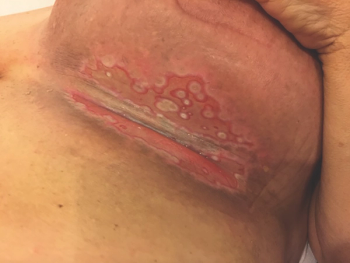
Dermatologists investigate better ways to treat radiodermatitis as it becomes increasingly common in breast cancer patients.
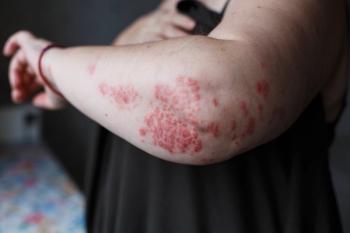
It is well established that psoriasis is associated with cardiometabolic disease, though the reason why remains unclear. This study followed pregnant women and mothers with psoriasis over an 11 year period to gain insight into the link between the immune-mediated skin disease and cardiometabolic disease.
Comparative diagnosis of actinic keratosis (AK) and squamous cell carcinoma (SCC) in situ is needed for accuracy in treatment plan.

Dr. Day presents her best tips on approaching social media channels as a tool to engage with potential patients, knowing your audience and sharing the latest science and trends in dermatology.

Dr. Torres explores continuing medical education programs and whether they're successful in helping physicians obtain new knowledge.

Niki Vora reflects on how her struggles with untreated atopic dermatitis, folliculitis and cystic acne led her to writing her scholarship-winning essay.

The Prior Authorizations process creates inconsistent application, physician dissatisfaction and opportunity for life-threatening adverse events for patients.
Today, the U.S. Food and Drug Administration approved the topical retinoid trifarotene 0.005% (AKLIEF, Galderma) for the treatment of acne vulgaris.

Study compares the effectiveness of petrolatum-based ointment vs. silicone gel for skin healing post fractional ablative erbium laser resurfacing.