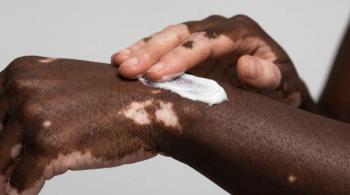
Longer treatment duration was independently associated with VASI improvement, while publicly insured patients experienced higher topical JAK inhibitor denial rates.
ICYMI, some of the content featured this week includes articles about a new adapalene gel for acne vulgaris, if preservatives like parabens are actually safe in cosmetics, characteristics that can help distinguish facial hyperpigmentation disorders, valuable information about vitiligo treatment with expert Seemal R. Desai, M.D., FAAD, plus more.
In case you missed it, some of this week’s featured content includes a glimpse into the world of vitiligo treatment with expert Seemal R. Desai, M.D., FAAD, the launch of a new adapalene gel for treatment of acne vulgaris, characteristics that can help distinguish facial hyperpigmentation disorders, how sunscreen showed strong therapeutic properties in patients with pigmentary disorders, if preservatives like parabens are actually safe in cosmetics, plus more.
Zoe Diana Draelos, M.D., explains the role of preservatives in skincare products and the general safety and efficacy of products when it comes to protecting the skin against environmental factors.
Subtypes such as confetti vitiligo and trichrome vitiligo can be signs of unstable active disease, says expert Seemal R. Desai, M.D., FAAD.
This week’s edition of The Mainstream Patient features stories about a newly approved acne treatment, strawberry legs, coconut oil in skincare, if your acne might possibly be rosacea, plus more
While several employees wanted to wear masks upon his office reopening, Dr. Covid reminded them that their state governor and city mayor did not require their use. Now an employee has contracted COVID-19 from a patient and has filed a complaint with the Occupational Safety and Health Administration. Should he be concerned?
Vitiligo can be psychologically devastating for patients. Expert Seemal R. Desai, M.D., FAAD, shares how recent advances in vitiligo treatment offer hope to patients impacted by the disease.
Alembic Pharmaceuticals announces the launch of their bioequivalent and therapeutically equivalent product to Differin Gel 0.3% (Galderma), Adapalene Gel USP 0.3%, a topical retinoid for the treatment of acne vulgaris in patients 12 years and older.
Effective treatment first requires accurate diagnosis, one expert says. He offers tips to distinguish melasma from other disorders and suggests some patients may need to be checked for diabetes and metabolic syndrome if they exhibit certain presentations.
The importance of blocking visible light in the treatment of pigmentary disorders is becoming clearer. One expert says photoprotection in patients with pigmentary conditions is a therapeutic cornerstone.
MC2 Therapeutics and EPI Health announce they have entered into a collaboration agreement for the commercialization of calcipotriene and betamethasone dipropionate, w/w 0.005%/0.064% (Wynzora Cream), a newly U.S. FDA-approved topical treatment for plaque psoriasis in adults.
One expert who is part of a small worldwide group of dedicated scientists and clinicians working to build BPDCN awareness among specialists offers insights from his research for dermatologists.
In this episode, UIC medical students Kayla Clark and Gina Alvarado Jones, along with UIC Dermatology Department Head Maria Tsoukas, M.D. Ph.D., discuss their recently published analysis in JAAD, which takes a look at skin of color representation in medical education.
Findings from a recent study support current recommendations to treat patients with BPDCN with tagraxofusp or hyper-CVAD as first-line treatments, then with allogeneic stem cell transplant if patients are eligible.