

Norman Levine, M.D., discusses the potential benefits and pitfalls of retiring from dermatology.
Norman Levine, M.D., is a private practitioner in Tucson, Ariz. He also is a member of the Dermatology Times Editorial Advisory board and a co-medical editor.
Norman Levine, M.D., discusses the potential benefits and pitfalls of retiring from dermatology.

Medical dermatologists are a vital part of overall quality care, but the financial draw of procedural and aesthetic practices are making it harder for these types of physicians to thrive, says Dr. Levine.
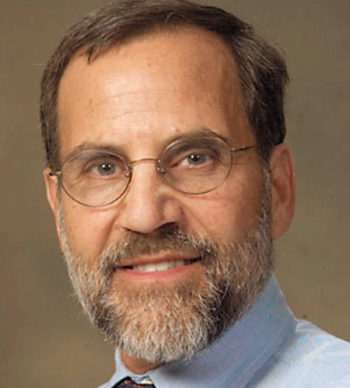
As Dermatology Times celebrates 40 years of continuous publication, we asked Dr. Levine to share his thoughts on his years of contribution to the publication.
According to this expert, honesty is the best policy – especially when appealing to insurance carriers on behalf of your patients.

A new Centers for Medicaid and Medicare Services plan for payment for evaluation and management services (E/M) has been proposed and CMS is currently accepting comments through 5 p.m., Sept. 10. The new rules would apply to all E/M services delivered after Jan. 1, 2019.

Patients are being victimized by the high cost of drug therapy. "We can help them by prescribing less expensive drugs and by guiding them to the least expensive places to purchase them," says Dr. Norman Levine.

What is our obligation to our patients? To satisfy their desires for specific treatments or attempt to maximize health outcomes?
In this article, Dr. Norman Levine sums up his takeaways from the American Academy of Dermatology annual meeting, beginning with a presentation by two physicians who addressed the difficulties of managing hidradenitis suppurativa, such as fixed dosing. He also addressed controversies associated with treatments for atopic dermatitis. Apparently, bleach baths are no better than regular baths in improving skin symptoms.
For the first time in my life, I had the experience of being on the other side of the doctor-patient relationship. I would not recommend it to anyone, but I learned a lot of valuable lessons about medical care, some of which have direct relevance to the way we all should be practicing medicine.
Recently, a 27-year-old woman consulted me about hair loss of several years' duration. She was in otherwise good health, and she proved this by showing me an impressive list of perfectly normal laboratory results indicating, among other things, that she did not have anemia or thyroid disease.
A patient with a complicated chronic skin disease consulted me some time ago. He had been under the care of another practitioner and was very satisfied with the quality of the care he had been receiving, but he could no longer afford the treatments being prescribed.
A recent headline in Dermatology Times read, "Niacin boosts IPL outcome." In small print, the sub-headline read, "Small study sees non-statistical improvement in skin texture." The summary of the article, called "Quick Read," had the following statement: "A niacin-based skincare cosmeceutical regimen combined with intense pulsed light (IPL) treatments offers better skin rejuvenation outcomes than IPL alone, a new study suggests."
I am a member of a charitable foundation committee that funds research grants to investigators interested in dermatologic scientific questions.
A person of my acquaintance is a middle-aged man in good health, although he has a moderately elevated cholesterol level. He has been treated with one of the statin drugs for several years.
January 1st 2004
January 1st 2010
September 1st 2009
January 1st 2008
January 1st 2007