



Twyneo, a tretinoin and benzoyl peroxide cream, has been approved by the FDA for the treatment of acne vulgaris in patients 9 years and older.
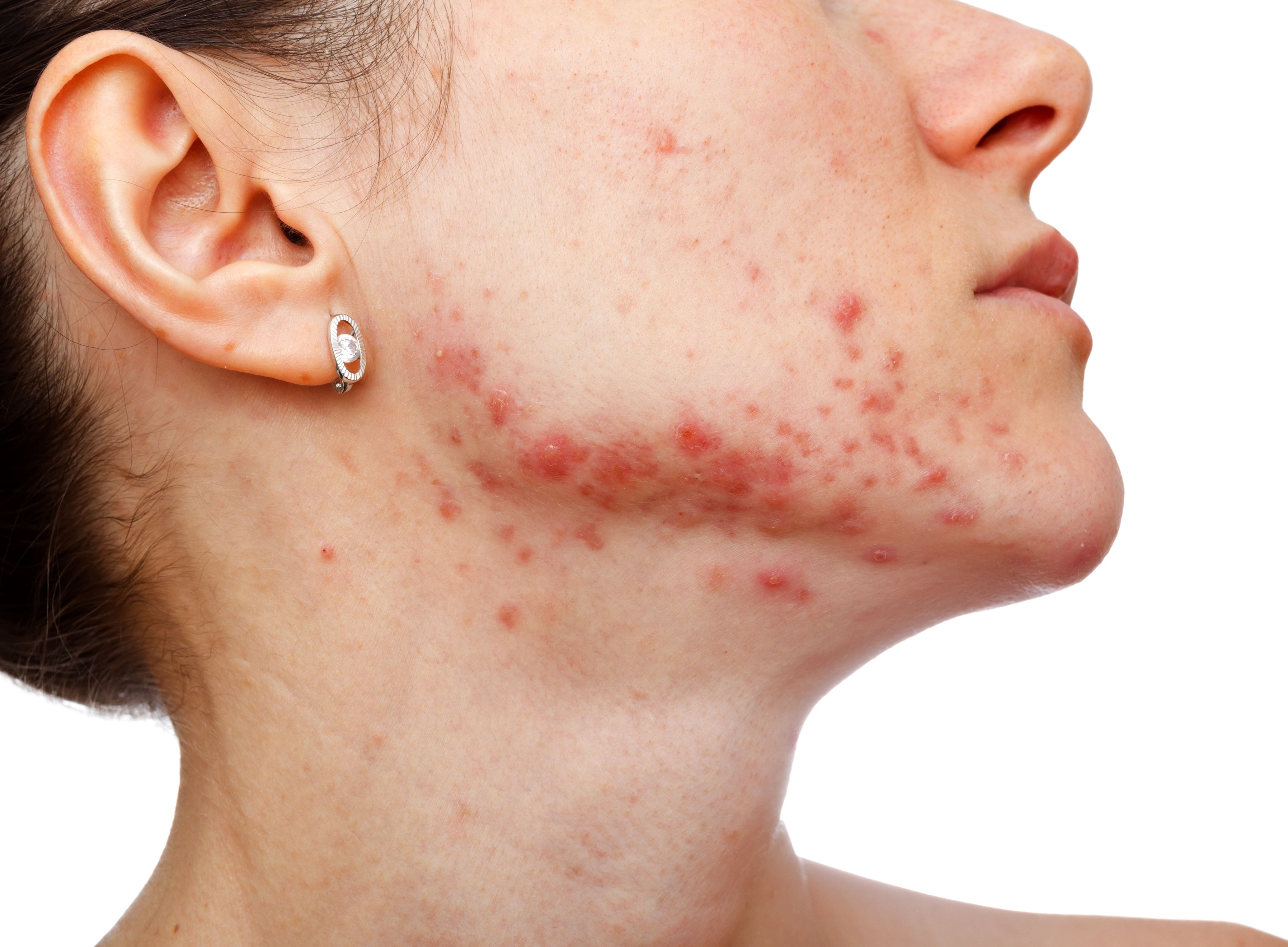
Twyneo, a tretinoin and benzoyl peroxide cream, has been approved by the FDA for the treatment of acne vulgaris in patients 9 years and older.

A study in the Journal of Drugs in Dermatology gathered a panel of skin of color experts to examine acne treatment in patients with skin of color.
Nasal papules that are histologically indistinguishable from angiofibroma may be a sequela of acne.

IDP-126, an acne vulgaris treatment for patients ages 9 and older, met all of its endpoints in a 12-week phase 3 study.
American Academy of Dermatology’s updated guidelines on acne will cover dermatology’s hottest issues, from dosing and monitoring established medications to exploring new antibiotics and addressing antibiotic stewardship.

Emmy Graber, MD, presented the updates in acne and rosacea treatments at the SCALE Acne and Rosacea update on June 9, 2021.

Study results reveal that nanosecond pulsed electric field therapy alters the C. acnes biofilm to enable better treatment penetration.

More than 90% of respondents to a recent survey expressed concern about acne’s effect on their adolescent’s mental health and social life.

Creating an effective treatment regimen for adult females with acne requires a holistic approach that considers the physical and psychological aspects of the world’s most common skin condition.

The SaltFacial achieves promising results in treating multiple skin conditions.
Dermatologists are divided over concerns of spironolactone being underused in women and patients taking isotretinoin being overmonitored.
A study examined the difference in prescribing patterns between pediatricians and dermatologists when it came to acne treatments.

A cohort study investigated the association between MHT and acne diagnosis.

Research presented at the EADV Spring Symposium 2021 investigated the link between gut bacteria and skin inflammation.

In the final part of our interview with Hilary Baldwin, MD, she details her own personal account of how she handled her daughters' acne and her advice to other dermatologists who are also parents.

In part 2 of our exclusive video interview with Hilary Baldwin, MD, she discusses new treatments for acne and how to ensure compliance of these treatments among your young patients.

In part 1 of this video interview, Hilary Baldwin, MD, explains her findings from a recently conducted survey investigating the effects of acne on both teenagers and their parents.
Thanks to new drug approvals, medical management is replacing surgery as the first-line treatment for inflammation caused by hidradenitis suppurativa. However, surgery is often necessary to relieve pain related to tunnels.

A recent study found acne patients treated with isotretinoin experienced less symptoms of depression and psychological distress than compared to those treated with oral antibiotics.

More research has shown that females experience negative psychological impacts at a rate higher than males.
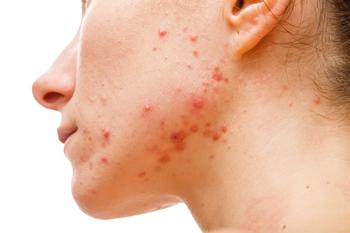
Data from trials show tazarotene 0.045% lotion is an effective treatment for moderate to severe facial acne and improves acne-related QOL in patients across BMI categories.
A presentation from Maui Derm Live 2021 featured insights on new drugs and data in acne.
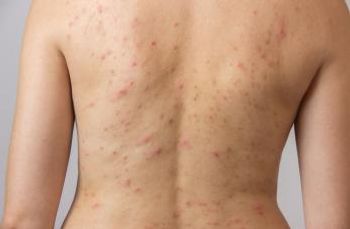
Recent observations highlight new treatment efficacy in women and skin of color patients with truncal acne.

Recently approved treatments for acne are focused on decreasing activity within the sebaceous gland.

Factoring in a patient’s genetic heritage when choosing an acne care regimen could improve adherence, according to survey results that identify race-related differences in preferred sources of information and treatments for acne.