


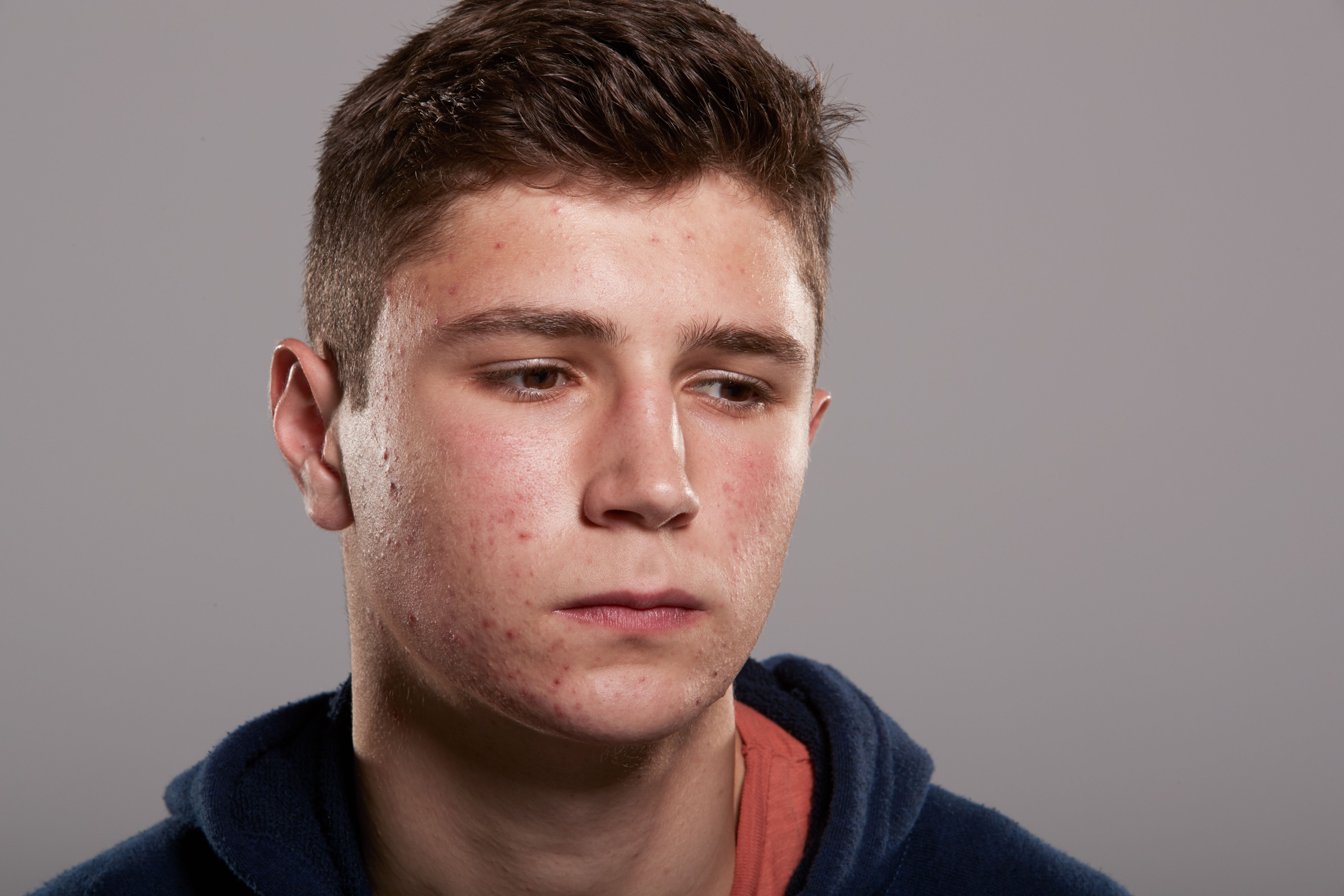
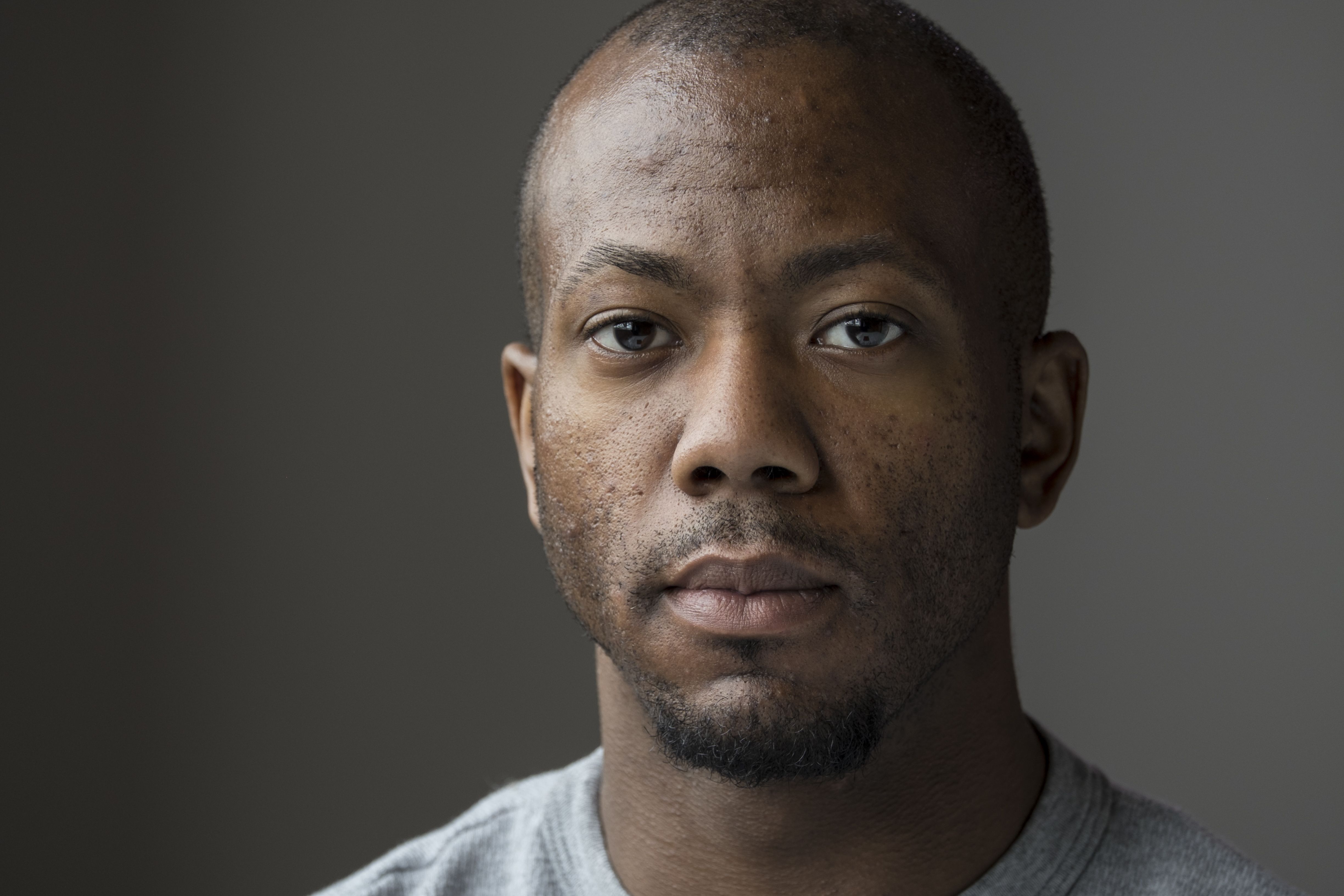




Gina Mangin, PA-C, and James Treat, MD, dive into the intricacies of acne and rosacea, going beyond the surface of both skin conditions and giving important treatment tips at the 2022 New Wave Dermatology Conference.
Gina Mangin, PA-C, and James Treat, MD, dive into the intricacies of acne and rosacea, going beyond the surface of both skin conditions and giving important treatment tips at the 2022 New Wave Dermatology Conference.

In the world of pediatric dermatology, many skin conditions can have parents concerned about their children’s condition. Lisa Swanson, MD, explains how to better address their questions at the 3rd Annual Society of Dermatology Nurse Practitioners Symposium.

There is a theory that professional acne care can be effective not only in decreasing clinical signs but also in improving quality of life.

The education on how to treat patients with skin issues in this group needs to be expanded so physicians can better treat their patients.
In a presentation at the recent AAD annual meeting, Diane M. Thiboutot, MD, discusses the potential risks of antibiotic resistance in acne management.

Once synonymous with puberty, acne is a growing concern for adults—particularly for women—from the 20s to well into their 40s. Christopher Bunick, MD, PhD delved into treatment options for this increasing patient population at the American Academy of Dermatology 2022 Annual Meeting.

Clascoterone cream 1% phase 3 results presented at meeting.

Patients on testosterone for masculinizing hormone therapy are at an increased risk of acne due to both inside and outside factors. Matthew David Mansh, MD, FAAD, explains his process for treating these patients.

In this video interview, Adam J. Friedman, MD, FAAD, gives the highlights from his presentation at the 2022 American Academy of Dermatology annual meeting about dietary triggers in acne, providing evidence, and discussing how the idea came to be.

Christopher Bunick, MD, PhD, talked about his presentation at the 2022 American Academy of Dermatology Annual Meeting on acne, which included a review of updated information on acne and practice pearls.

In this week’s Pointers with Dr Portela, the 208SkinDoc interviews Jen Hamilton, a TikTok creator who recently made the decision to go the dermatologist to talk about tackling her acne.

Specific genetic variations could be key in identifying acne risk far before the signs arise.
Researchers at the University of California in San Diego have discovered extrafollicular skin cells that transform into antimicrobial fat cells and fight acne, according to a study published in Science Translational Medicine.

Each month, Dermatology Times® features a roundup of products trending in skin care. Click here to find out what products are trending for the month of February.
A recent study investigated the potential adverse events around using 5-aminolaevulinic acid photodynamic therapy (ALA-PDT) for acne treatment.
It effects most teenagers and can lead to mental distress. Here are 5 important facts about acne vulgaris in adolescents.

A research letter to the editor published in the Journal of the American Academy of Dermatology examines how synchronous telemedicine may be limiting the telemedicine capabilities of the dermatology profession and how asynchronous telemedicine may be the answer.

Slathering the body with the same skin-care products designed for the face is a bad idea, experts say.

Acne may be the most common skin condition in the United States, with various studies estimating that 79% to 95% of Americans aged 12 to 24 year’s experience at least a minor case, yet diagnosing, treating, and managing care for pediatric patients affected by acne has never been more complex.

Julie Harper, MD, of the Dermatology and Skin Care Center of Birmingham, Alabama explained the use, side effects, and risks of spironolactone and oral contraceptives in a presentation at the current Maui Derm for Dermatologists meeting in Maui, Hawaii.

Patients suffering from several dermatologic diseases and conditions including acne, rosacea, and pruritus can largely benefit from the new and exciting therapies and treatment modalities that have recently become available.

Click here to answer this week's poll.

AAD vice president challenges dermatologists to advocate for their patients and themselves.

A survey conducted by Dermatology Times® found that many still cannot access the iPLEDGE system. Now some have created guides to get around the issue.
In this week’s Pointers with Dr Portela, the 208SkinDoc had already called out the Green Mask Stick’s false advertising, but now the controversy continues.