


At the 2025 EADV Congress in Paris, phase 3 ICONIC-ADVANCE data showed icotrokinra outperformed deucravacitinib in moderate to severe psoriasis.
Maddi Hebebrand is an associate editor of Dermatology Times and joined the MJH Life Sciences team in May 2024. She attended Baldwin Wallace University, studying Media Production and Film, and received her Masters in Digital Media from Ohio University. When she's not writing, Maddi loves to read, attend concerts and spend time with her family.
At the 2025 EADV Congress in Paris, phase 3 ICONIC-ADVANCE data showed icotrokinra outperformed deucravacitinib in moderate to severe psoriasis.

The trial presented at EADV 2025 confirmed that icotrokinra’s efficacy is consistent with injectable IL-23 inhibitors while offering an oral option.

STOP-HS1 and STOP-HS2 phase 3 trials showed nearly 60% of patients achieving HiSCR50 by week 24, according to a presentation at EADV 2025.
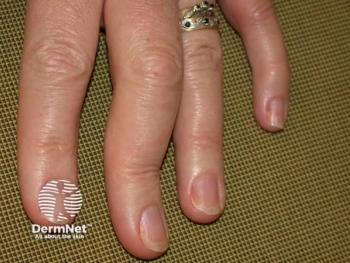
By blocking 2 key inflammation signals, research presented at EADV found bimekizumab may help keep both skin and joints healthier over time.

At EADV, research showed benefits of zasocitinib on quality of life were observed as early as week 4 and sustained through week 12.
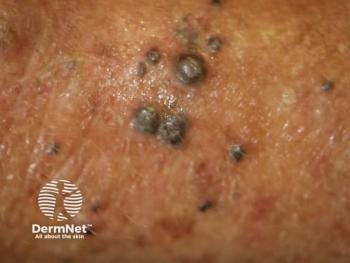
A new hybrid model combining deep learning with clinical data achieved high accuracy in predicting sentinel lymph node metastasis in melanoma.

Explore the top headlines of the week, including insights on the latest clinical trials, therapeutic updates, and more.

This week, we feature top articles from our sister publications on regulatory updates, clinical trial insights, and more.

Dermatologists and hairstylists unite to address scalp health, cultural practices, and patient care at the Science of Skin & Scalp Studio event.

New guidelines enhance understanding and treatment of genital psoriasis, addressing its psychological impact and improving patient-provider communication.
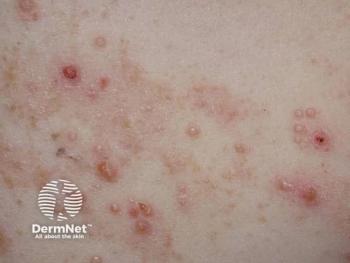
Upadacitinib maintained high EASI and itch response rates through nearly 3 years of treatment.

Phase 3 trials demonstrated that icotrokinra met all primary and co-primary endpoints, including PASI 90 and IGA 0/1 responses.

HS management is shifting toward earlier diagnosis and intervention to prevent long-term scarring and disability.

Discover the benefits of RetaXome therapy for sensitive skin and its potential in skin care routines.

The new product expands Obagi Medical’s portfolio beyond skin care into injectables.
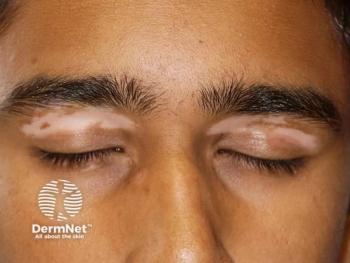
Forty percent of participants achieved at least a 75% reduction in facial vitiligo scores.

Greater awareness of UV risks and stricter sun protection have contributed to declining invasive melanoma rates.

Novel formulations like retinal-infused exosomes represent an evolution rather than a replacement of retinoid therapy.
Explore the top headlines of the week, including insights on the latest clinical trials, therapeutic updates, and more.
This week, we feature top articles from our sister publications on regulatory updates, clinical trial insights, and more.

The study found that 59% of patients achieved IGA treatment success, surpassing other topical therapies.
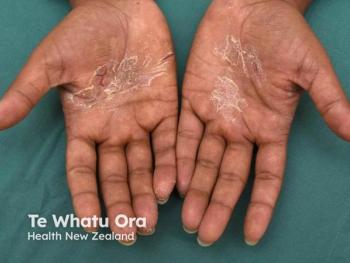
Most physicians continue to prescribe topical corticosteroids despite prior treatment failure.

Chesahna Kindred, MD, MBA, FAAD, highlights the need for tailored dermatological care for textured hair, addressing misdiagnoses and promoting collaboration with hairstylists.

While survival rates were similar across income levels, lower-income patients consistently presented with more aggressive disease.

Research shows it can take 7 to 10 years for individuals with HS to receive an accurate diagnosis.
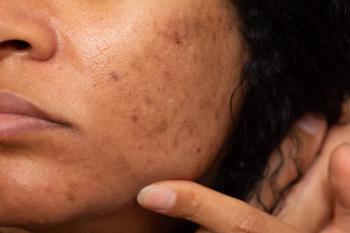
Explore the latest insights on skin and scalp care, focusing on cultural sensitivity and early intervention for diverse dermatological needs.

Explore effective strategies for managing CSU, including tailored therapies and the latest treatment advancements for optimal patient care.

The FDA cited concerns about patient population heterogeneity and confirmatory trial design.

Experts in Miami Beach emphasized that adherence often drives biologic choice more than efficacy in real-world psoriasis care.

Cases of dermatitis in workers and consumers alike show how allergen exposure transcends occupational boundaries.