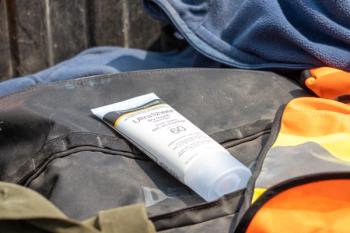
Two new Neutrogena facial sunscreens incorporate bemotrizinol, the first new sunscreen active ingredient added to the US OTC monograph in decades.
Explore the top headlines of the week, including insights on the latest clinical trials, therapeutic updates, and more.
To stay up to date with the latest dermatology news, sign up to receive our
DermaRite Industries, LLC has expanded its voluntary recall to include multiple over-the-counter creams, soaps, sanitizers, and skin care products due to potential contamination with Burkholderia cepacia complex, which can cause serious infections, especially in immunocompromised individuals. While healthy people may only develop local skin infections, those with weakened immune systems face risks of bloodstream infection and sepsis. The affected products, sold nationwide through retailers such as Amazon, Target, and Walmart, include items like DermaCerin, DermaFungal, DermaKleen, Gel Rite, Lantiseptic, and PeriGuard. Consumers are advised to stop using the recalled products immediately, dispose of them, and contact their health care provider if they experience adverse effects.
Medicus Pharma has begun patient recruitment for its phase 2 clinical trial (SKNJCT-004) in the United Arab Emirates to evaluate D-MNA, a non-invasive therapy for basal cell carcinoma (BCC). The randomized, placebo-controlled study will enroll 36 patients across multiple hospitals, including Cleveland Clinic Abu Dhabi and Sheikh Shakbout Medical City. D-MNA previously showed encouraging results in a phase 1 trial, with complete clearance in some patients with nodular BCC. Medicus is also conducting a phase 2 trial in the US, where interim findings demonstrated over 60% clearance rates without significant safety concerns. The company aims to advance the therapy toward FDA fast-track designation and larger pivotal trials as a potential alternative to Mohs surgery.
In a recent Dermatology Times interview, Las Vegas dermatologist David Cotter, MD, PhD, discussed the promise and pitfalls of AI in clinical practice. While AI tools like scribes and prior authorization assistants are reducing administrative burdens and streamlining patient access to treatments, Cotter warns that insurers are also using AI—often to deny claims at alarming rates. This dual use has sparked legal action, including class-action lawsuits against companies allegedly automating denials without proper review. Clinically, AI has potential in diagnostics, especially for skin cancer, but Cotter stresses it's not yet reliable as a standalone tool. Instead, he advocates for a collaborative approach: “man with machine.” Cotter urges fellow clinicians to embrace AI responsibly, integrating it into practice while remaining vigilant, saying, “The future is now… If we shy away from it, patients may experience harm.”
Michael Gold, MD, a Nashville-based dermatologist, reflected on his decades-long experience with retinoids, beginning with his early use of tretinoin under Albert Kligman, MD, PhD. He emphasized the enduring importance of retinoids, including retinols, retinals, and retinaldehyde, in both medical and aesthetic dermatology. Gold also highlighted emerging innovations such as RetaXome, a retinal formulation delivered via exosomes, which he said may allow deeper dermal penetration and improved results while maintaining tolerability. He noted that early findings are promising and that this novel approach could mark a meaningful advance in topical therapy.
Amgen and Kyowa Kirin reported new phase 3 data from the ASCEND trial evaluating rocatinlimab, an investigational anti-OX40 therapy, in adults and adolescents with moderate to severe atopic dermatitis (AD). The study, which enrolled 2,600 patients who previously completed ROCKET program trials, found that rocatinlimab maintained clinical responses at one year with a favorable long-term safety profile. The most common adverse events included upper respiratory infections, headaches, and cough, with low discontinuation rates. Patients who achieved significant improvement in earlier trials sustained benefits in skin clearance, itch, and disease severity. Rocatinlimab, a T-cell rebalancing therapy, is also being studied in asthma and prurigo nodularis. The ASCEND study will continue to 104 weeks, with full results expected in upcoming publications or conferences.