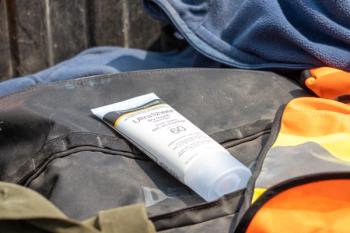
Two new Neutrogena facial sunscreens incorporate bemotrizinol, the first new sunscreen active ingredient added to the US OTC monograph in decades.
Dermatologists and hairstylists unite to address scalp health, cultural practices, and patient care at the Science of Skin & Scalp Studio event.
On August 6 in New York City, the
Two dermatologists, Heather Woolery-Lloyd, MD, FAAD, and Chesahna Kindred, MD, MBA, FAAD, helped anchor the day’s programming. Their sessions highlighted how myths, misdiagnoses, and mismatched treatment plans disproportionately affect patients with textured hair and skin of color, and what clinicians can do to close those gaps. In a recent interview with Dermatology Times, they dug deeper into the takeaways from the event and how they can inform future care.
At The Derm Desk, Woolery-Lloyd led a myth-busting discussion on scalp health in patients with skin of color. One of the most common issues, she explained, is delay in seeking proper care. “I definitely think there’s this misconception that when you have hair loss, you see your hair stylist, you ask your friend, your aunt, anyone else, when really, you should really be making a beeline straight to the dermatologist for scalp conditions.”
She also challenged clinicians to adapt treatment approaches. In the past, patients with seborrheic dermatitis or psoriasis were often told to wash their hair daily with medicated shampoo. For women with textured hair, that advice simply doesn’t fit. “We know that’s not realistic," she told Dermatology Times. "It’s never going to happen because the hair styling process can take hours. So that’s just a very simple myth… that is changing.”
Just a few steps away, Kindred led The Scalp Lab, where she underscored the importance of recognizing how scalp disorders present differently in patients of color. “A common one is, believe it or not, psoriasis, which is really like a bread and butter dermatology diagnosis,. But in Black women, it can be a little bit more powdery and more likely, mistaken for seborrheic dermatitis.”
She also introduced attendees to STRAND (Stylist Training, Researching, and Networking with Dermatologists), an initiative she co-founded to connect clinicians with hairstylists. “I’m the first dermatologist in the US to have a
Both Woolery-Lloyd and Kindred emphasized the importance of timely diagnosis. Woolery-Lloyd warned that “early intervention is really important, especially for scarring alopecia, where the inflammation can lead to scarring of the hair follicles.”
Kindred urged patients who may feel discouraged to reconnect with their clinicians, given the pace of research. “There has been something new and groundbreaking for hair every 6 months for about the last 5 years. This is the time for that patient who left the health care system to check in.” She also flagged overlooked contributors to hair loss, such as common product ingredients: “Patients may not know to avoid linalool. Linalool is an ingredient in a lot of personal hair care products, and linalool causes hair loss. And it’s not mainstream knowledge.”
Beyond treatments, both clinicians highlighted the need to listen carefully and respect patient concerns. Woolery-Lloyd explained, “The best thing is just to listen… ask open ended questions and listen, and make the patient know that they’re being heard and seen.”
Kindred agreed, adding that dermatologists carry unique responsibility. “For hair, we’re the beginning and the end. For scalp, we’re the beginning and the end. There is no one else. So if a patient comes to us with a hair and scalp disorder, we really need to make sure we address it respectfully.”
Reflecting on the Studio itself, she noted the power of dialogue: “Although we were dermatologists, talking with participants as dermatologists, I feel like we got a lot from them. It was a space that allowed us to talk to patients and really hear their side. And we just have to make sure we do a really good job of making sure our patients understand that we’re listening and that they’re heard, and we probably need to take one extra step further and to share decision making with our patients.”
The Science of Skin & Scalp Studio demonstrated that dermatology is not just about managing disease—it’s about meeting patients where they are, respecting cultural practices, and building partnerships that extend beyond the clinic. From Woolery-Lloyd’s myth-busting at The Derm Desk to Kindred’s stylist collaboration at The Scalp Lab, the event highlighted the value of innovation, inclusivity, and listening.
For clinicians, the message was clear: early intervention, patient-centered communication, and cultural sensitivity are essential to improving outcomes in scalp health. For patients, the take-home point was equally strong—seek dermatologic care early, know that new treatments are emerging rapidly, and find providers who take time to listen and understand.