


Catch up on dermatology news, highlights, and insights from the past 24 hours.
Maddi Hebebrand is an associate editor of Dermatology Times and joined the MJH Life Sciences team in May 2024. She attended Baldwin Wallace University, studying Media Production and Film, and received her Masters in Digital Media from Ohio University. When she's not writing, Maddi loves to read, attend concerts and spend time with her family.
Catch up on dermatology news, highlights, and insights from the past 24 hours.

The dermatology community mourns the loss of Dr. Robert Sidbury, a visionary leader in pediatric dermatology, whose impact and mentorship resonate deeply.

Jacki Kment, PA-C, MPAS, DFAAPA, shares how she built a successful direct pay dermatology practice to prioritize patient care and professional balance.
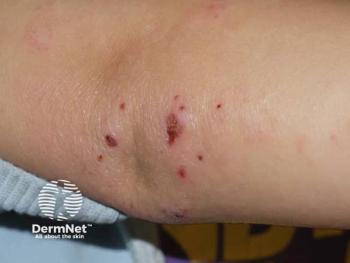
Abrocitinib significantly improves lesion severity and pruritus in moderate to severe AD, offering a promising treatment option for patients.
With longer visits and flat-rate pricing, Kment’s practice provides personalized dermatologic care to both insured and uninsured patients.
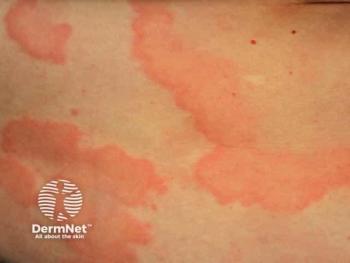
Explore how genetic factors influence acute and chronic urticaria, revealing potential for personalized treatment strategies.
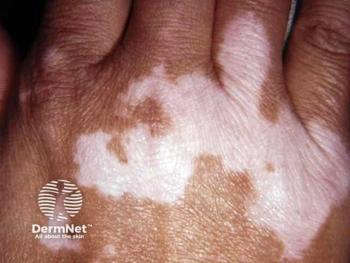
A recent study reveals distinct patterns of nonsegmental vitiligo lesions on hands.
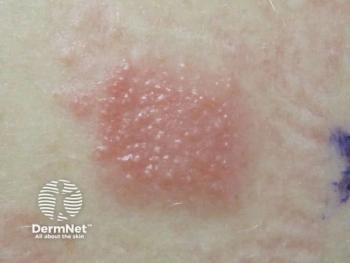
New insights reveal shared and allergen-specific immune responses in allergic contact dermatitis.
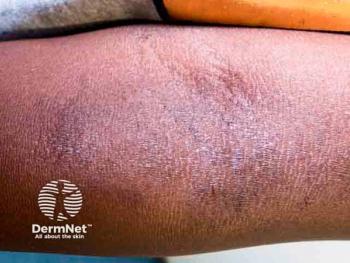
Turn Therapeutics initiates a groundbreaking clinical trial for GX-03, the first topical IL-36 inhibitor targeting moderate to severe eczema.
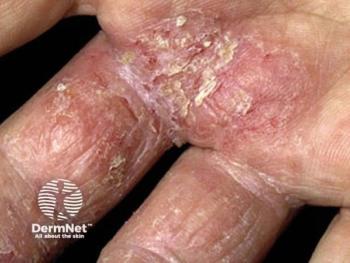
A national Delphi survey reveals critical insights into CHE management in France, highlighting the need for standardized assessment and guidelines.

Melanoma survivors share their diagnoses and advocate for early detection, routine skin exams, and public education to save lives.

Explore the top headlines of the week, including insights on the latest clinical trials, therapeutic updates, and more.

This week, we feature top articles from our sister publications on regulatory updates, clinical trial insights, and more.
OJM Group’s David Mandell, JD, MBA, shares financial planning strategies for physicians facing new tax laws and market volatility.

A systematic review reveals critical diagnostic gaps in hair loss treatment for patients with skin of color, urging improved training and protocols in dermatology.

A pilot study evaluates tildrakizumab's safety and potential in treating stable nonsegmental vitiligo, highlighting the need for further research on IL-23 inhibitors.

FDA enhances transparency by publishing over 200 Complete Response Letters, offering insights into drug approval processes and common deficiencies.
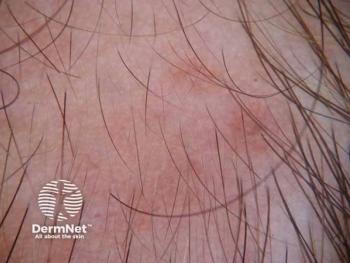
A recent study reveals a significant link between alopecia areata severity and increased risk of atopic dermatitis, especially in adolescents.

Delgocitinib cream offers a safe, effective treatment for chronic hand eczema with minimal systemic absorption, ensuring no significant immunosuppressive effects.
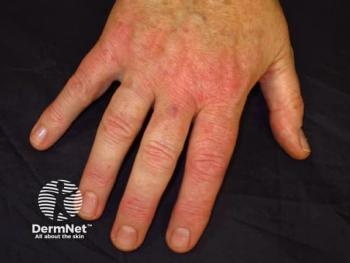
LEO Pharma reveals promising interim results for tralokinumab in treating moderate to severe atopic dermatitis on hands, enhancing patient quality of life.

Achieving optimal treatment targets and minimal disease activity significantly enhances health-related quality of life and satisfaction in patients with atopic dermatitis.
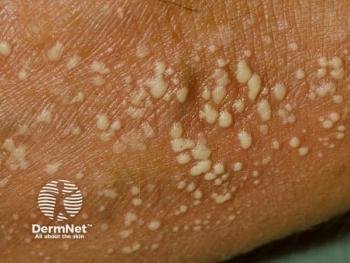
Spesolimab effectively targets the IL-36 receptor, reducing inflammation and preventing flares in generalized pustular psoriasis, offering new hope for patients.

Artificial Intelligence (AI) enhances early detection of high-risk cutaneous squamous cell carcinoma (cSCC) by integrating advanced histopathological assessments for improved patient outcomes.

Jasper Therapeutics reveals promising results from briquilimab trials for chronic spontaneous urticaria, showcasing strong efficacy and safety despite manufacturing challenges.

VYNE Therapeutics updates on VYN202, revealing promising early results in psoriasis treatment despite a clinical hold due to safety concerns.
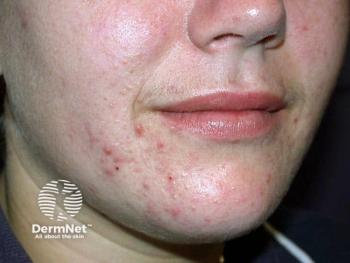
Discover the latest advancements in laser treatments for acne vulgaris, focusing on diverse skin types and effective solutions for acne skin of color.
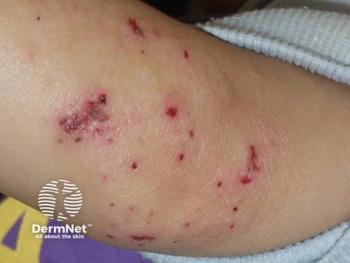
Explore the potential of whole-body cryotherapy as a novel, nonpharmacologic treatment for effectively managing atopic dermatitis symptoms.
Explore the top headlines of the week, including insights on the latest clinical trials, therapeutic updates, and more.
This week, we feature top articles from our sister publications on regulatory updates, clinical trial insights, and more.

Delgocitinib ointment shows promise as an effective, well-tolerated treatment for atopic dermatitis on the face and neck, enhancing patient satisfaction and reducing adverse effects.