

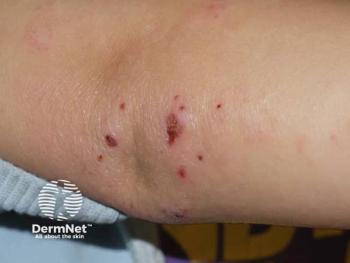
The Japanese study found no association between cutaneous events and baseline EASI scores, eosinophil counts, or IgE levels.
Maddi Hebebrand is an associate editor of Dermatology Times and joined the MJH Life Sciences team in May 2024. She attended Baldwin Wallace University, studying Media Production and Film, and received her Masters in Digital Media from Ohio University. When she's not writing, Maddi loves to read, attend concerts and spend time with her family.
The Japanese study found no association between cutaneous events and baseline EASI scores, eosinophil counts, or IgE levels.
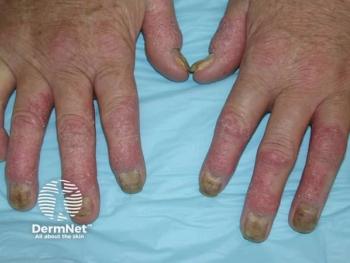
Deucravacitinib-treated patients achieved superior clinical responses compared to placebo at week 16 in both trials.
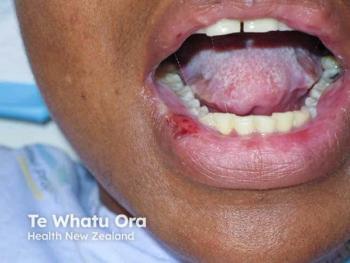
The open-label trial showed dusquetide produced similar results to apremilast in reducing oral ulcers, pain, and ulcer duration.

At a recent Dermatology Times Case-Based Roundtable, attendees discussed several challenging AD cases.

Deepti Gupta, MD, emphasized SPD's focus on delivering practical clinical insights, highlighting emerging research, and fostering meaningful professional connections
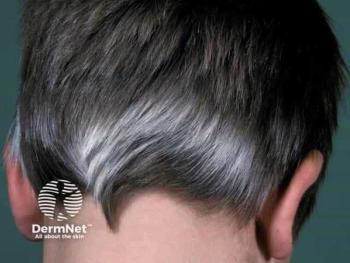
VYNE Therapeutics reveals disappointing phase 2b trial results for repibresib gel in nonsegmental vitiligo, missing key efficacy endpoints.

Coates addresses social determinants of health in pediatric dermatology, emphasizing their impact on treatment and patient outcomes.

Explore the top headlines of the month, including insights on regulatory updates, expert pearls, and more.
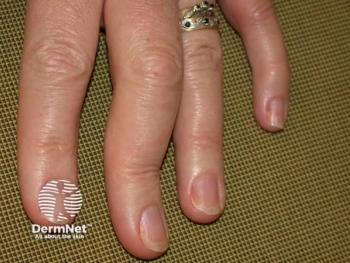
Johnson & Johnson seeks FDA approval to update guselkumab's label, highlighting its unique ability to significantly inhibit joint damage in active psoriatic arthritis.

The pediatric dermatology community mourns the loss of Dr Robert Sidbury, a beloved leader and mentor, celebrated for his compassion and groundbreaking contributions.
Catch up on coverage from the third day of the 50th Annual Society for Pediatric Dermatology Meeting in Seattle, Washington.

Eichenfield discussed the ever-evolving armamentarium, and how to navigate changes in the field.

Traditional mouse models for EBS are limited, prompting Simpson's lab to create more accurate human-based tissue models.

Catch up on coverage from the second day of the 50th Annual Society for Pediatric Dermatology Meeting in Seattle, Washington.

Swanson discussed new and upcoming therapeutics, and how she approaches treatment options with caregivers.

Schachner was the 2025 recipient of the AAP Alvin H. Jacobs award at the 50th annual SPD meeting.

Catch up on coverage from the first day of the 50th Annual Society for Pediatric Dermatology Meeting in Seattle, Washington.
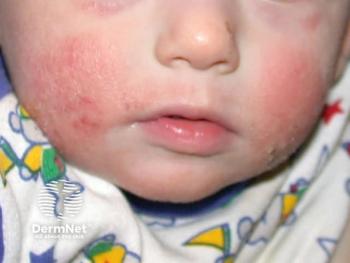
Explore the INTEGUMENT-INFANT study, assessing roflumilast cream's safety and efficacy for infants with atopic dermatitis in a groundbreaking trial.

Discover insights from SPD 2025 on pediatric obesity treatment, emphasizing multidisciplinary care and innovative therapies.


Jacob Thyssen, PhD, discusses tralokinumab's promising results for hand eczema, highlighting its potential to transform treatment options for patients.
We want to know: Will you be attending the conference in Seattle this week?
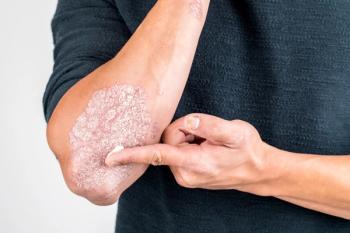
Matthew Zirwas, MD, discusses the complexities of safety analysis in psoriasis clinical trials, advocating for exposure-adjusted incidence rates to enhance risk communication.

Social media spreads significant retinol misinformation, risking adolescent skin health. Experts call for improved digital education and accurate content creation.

Replimune faces FDA challenges for RP1's approval in advanced melanoma, highlighting complexities in cancer drug development and regulatory scrutiny.
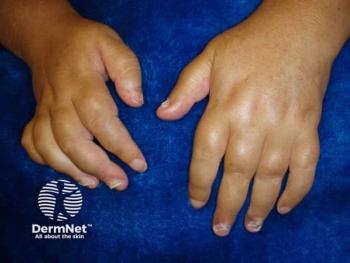
Bristol Myers Squibb's deucravacitinib gains global regulatory acceptance for treating active psoriatic arthritis, promising a new oral treatment option.

The 2025 Fall Clinical Dermatology Conference energized PAs and NPs with innovative strategies, addressing burnout, digital branding, and personalized medicine.
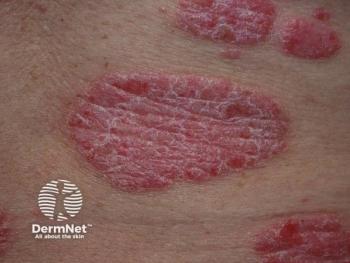
A retrospective case series found that apremilast induced complete remission in 6 men with treatment-resistant genital psoriasis.
Explore the top headlines of the week, including insights on the latest clinical trials, therapeutic updates, and more.
This week, we feature top articles from our sister publications on regulatory updates, clinical trial insights, and more.