


Lauren Miller, PA-C, MPAS, highlights the vital role of mentorship in dermatology, emphasizing its impact on professional growth and patient care at the Fall Clinical conference.
Maddi Hebebrand is an associate editor of Dermatology Times and joined the MJH Life Sciences team in May 2024. She attended Baldwin Wallace University, studying Media Production and Film, and received her Masters in Digital Media from Ohio University. When she's not writing, Maddi loves to read, attend concerts and spend time with her family.
Lauren Miller, PA-C, MPAS, highlights the vital role of mentorship in dermatology, emphasizing its impact on professional growth and patient care at the Fall Clinical conference.

Jamie Restivo, PA-C, a board-certified dermatology physician assistant and current president of the Pennsylvania Dermatology Physician Assistants (PDPA), gave insights into the PA perspective.

Explore the latest insights in dermatology at the Fall Clinical PA/NP Conference, featuring experts like James Del Rosso, DO, and networking opportunities for PA NPs.

Discover expert insights and practice management tips at the Fall Clinical PA/NP Conference in Orlando, featuring top dermatology professionals.

Explore the top headlines of the week including insights on regulatory updates, expert pearls, and more.
Jonathan Silverberg, MD, PhD, MPH, talks about when and how to take itch into consideration when choosing a therapy for AD.
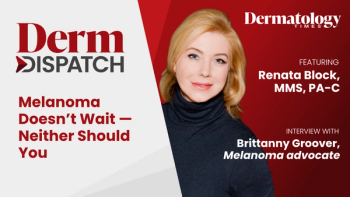
Renata Block, PA-C, speaks with patient advocate Brittanny Groover on her experience, how to educate young patients, and understanding the psychosocial impact of melanoma.
Jonathan Silverberg, MD, PhD, MPH, shares pearls from the ADvocate1 and 2 trials examining the use of lebrikizumab for AD.
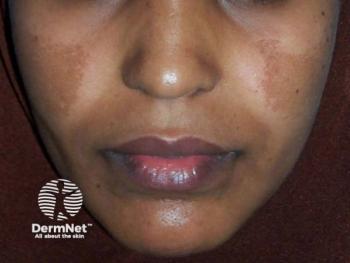
Microneedling proves more effective than microinjections for PRP therapy in treating melasma, enhancing patient outcomes and satisfaction.
Jonathan Silverberg, MD, PhD, MPH, talks about therapies used for AD, including nemolizumab.

Explore the significant mental health and socioeconomic impacts of atopic dermatitis and alopecia areata, revealing urgent needs for better support and awareness.

Explore the top headlines of the week including insights on the latest clinical trials, therapeutic updates, and more.

This week, we feature top articles from our sister publications on regulatory updates, clinical trial insights, and more.
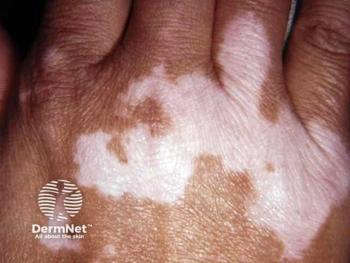
Discover the promising efficacy and safety of combining platelet-rich plasma with fractional laser therapy for treating vitiligo in adults.

FDA approves Arcutis' roflumilast foam, a groundbreaking treatment for plaque psoriasis, offering a steroid-free, effective solution for patients aged 12 and older.

Quoin Pharmaceuticals advances QRX003 for Netherton Syndrome, receiving FDA clearance for a pivotal trial to assess its effectiveness and safety.
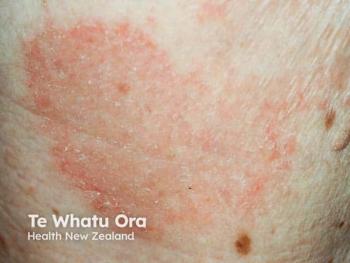
Tralokinumab offers a promising alternative for patients with atopic dermatitis experiencing dupilumab-related arthralgia, achieving skin clearance and symptom relief.

Accropeutics reveals promising Phase 2 trial results for AC-201, a selective TYK2/JAK1 inhibitor, showing significant efficacy in treating plaque psoriasis.

Explore how AI, particularly ChatGPT, impacts dermatology education, revealing strengths and limitations in clinical decision-making and training.
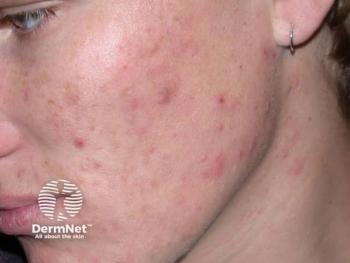
Discover how Shaant ClearSkin Probiotic offers a holistic approach to acne treatment by targeting gut health and hormonal balance for clearer skin.
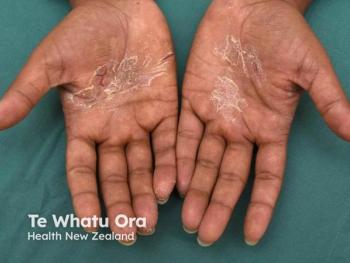
Explore the evolving landscape of self-reported hand eczema severity assessments, highlighting their potential and challenges in clinical research and digital health.

Psoriasis significantly impacts sleep health, with diverse populations facing increased risks of sleep disorders, highlighting urgent clinical needs for tailored interventions.

Research reveals a significant link between TNF-alpha serum levels and the severity of chronic spontaneous urticaria, suggesting new therapeutic avenues for treatment.
Explore the top headlines of the week including insights on the latest clinical trials, therapeutic updates, and more.
This week, we feature top articles from our sister publications on regulatory updates, clinical trial insights, and more.

GLP-1 receptor agonists show promise in reducing cardiovascular risks for patients with chronic inflammatory skin diseases like psoriasis and atopic dermatitis.

Sun Pharma's innovative BLU-U device gains FDA approval, revolutionizing actinic keratosis treatment with advanced blue light therapy.
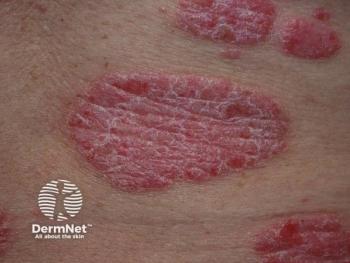
New guidelines from the Genital Psoriasis Wellness Consortium highlight the significant impact of genital psoriasis on patients, emphasizing improved diagnosis and personalized treatment.
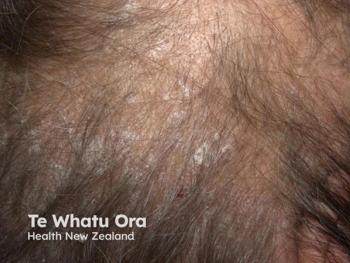
Discover the promising results of risankizumab for treating genital and scalp psoriasis, showcasing significant improvements in symptoms and quality of life.

Recludix Pharma unveils a groundbreaking BTK SH2 inhibitor, showcasing superior selectivity and efficacy for chronic spontaneous urticaria treatment at SID 2025.