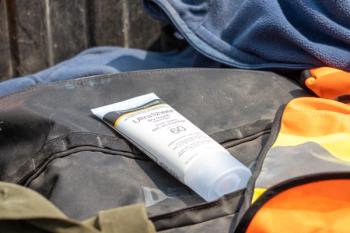
Two new Neutrogena facial sunscreens incorporate bemotrizinol, the first new sunscreen active ingredient added to the US OTC monograph in decades.
Explore the top headlines of the week including insights on the latest clinical trials, therapeutic updates, and more.
To stay up-to-date with the latest dermatology news, sign up to receive our
Dermatology Times recently spoke with Qing Yu Christina Weng, MD, chief medical officer of Pelage. Weng is a physician scientist and board-certified dermatologist seeing patients at
A new clinical study shows that an AI-powered platform developed by MDalgorithms can create personalized hair loss treatments with significant improvements in growth, thickness, fullness, and scalp health over six months. Using smartphone images and patient questionnaires, the AI analyzed hair and scalp data to recommend custom over-the-counter regimens—including shampoos, serums, supplements, and marine collagen peptides. Among 27 women aged 34–65, nearly 90% reported visible improvement with no adverse effects. The AI, trained on 470,000 images, achieved a 94% accuracy rate in diagnosing female androgenetic alopecia in prior research. Experts say the technology could expand accessible, cost-effective care.
Eirion Therapeutics has reported promising first-in-human trial results for ET-02, a topical treatment for androgenic alopecia. The drug showed exceptional safety with no local or systemic adverse effects and delivered unprecedented hair regrowth in just 5 weeks—6 times more than placebo and even outperforming minoxidil’s four-month results. Unlike current treatments that stimulate the hair follicle or stem cell, ET-02 targets a correction in defective stem cell biology to restore normal hair growth. With this novel mechanism, ET-02 could reshape the hair loss treatment landscape and potentially play a role in future prevention strategies.
The COVID-19 pandemic significantly affected patients with immune-mediated inflammatory diseases (DIMIDs), including atopic dermatitis (AD), psoriasis, and vitiligo. The fear of morbidity, mortality, and vaccine hesitancy contributed to disruptions in their daily lives. Patients with immunodeficiency diseases, older individuals, males, and those of non-White ethnicity were at an increased risk of severe COVID-19 outcomes. Interestingly, vaccination, a healthy diet, and atopic conditions were considered protective factors against COVID-19. A recent prospective observational, multicenter, multidisciplinary cohort substudy explored the impact of COVID-19 disease and vaccination on DIMIDs, specifically AD, psoriasis, and vitiligo.
In celebration of May’s Melanoma Awareness Month, the