

Treatment decisions are increasingly guided by patient values, preferences, and quality-of-life considerations.
Maddi Hebebrand is an associate editor of Dermatology Times and joined the MJH Life Sciences team in May 2024. She attended Baldwin Wallace University, studying Media Production and Film, and received her Masters in Digital Media from Ohio University. When she's not writing, Maddi loves to read, attend concerts and spend time with her family.
Treatment decisions are increasingly guided by patient values, preferences, and quality-of-life considerations.

Compared to untreated patients, dupilumab-treated women showed no increased risk for spontaneous abortion, gestational diabetes, or hypertensive disorders.

The guide prepares students to critically engage with AI tools and understand their real-world implications.
Current JAK inhibitors are approved only for those 12 and older, leaving younger patients without access.

Explore the top headlines of the week including insights on pandemic risks, weight loss medications, and more.
This week, we feature top articles from our sister publications on the future of health care, FDA approvals, and more.

The study found dupilumab-treated patients had the highest probability of remaining infection-free over 52 weeks.

Studies show that exposure to meaningful artwork can lower blood pressure and enhance mental clarity in patients.

Unlike biologics, nonbiologic systemic therapies showed a neutral or slightly increased cardiovascular risk, raising concerns about their long-term safety.

The study stated early recognition and aggressive treatment of childhood-onset MMP are essential to prevent permanent scarring.

Researchers call for standardized methods to assess and report ADWEs in deprescribing trials to ensure reliable data and clinical confidence.

Bio-naïve patients and those without comorbidities had the highest treatment success rates with guselkumab.

Microbiome engineering offers strategies to modulate the skin microbiome, including non-targeted approaches like probiotics and targeted approaches like phage therapy.

The significance of patient education and setting realistic expectations for the often-slow process of repigmentation in vitiligo treatment was a key focus of the discussion.

The integration of pharmacotherapy in obesity treatment provides a structured approach to weight loss for patients who struggle with traditional methods.
PASI and DLQI scores are closely linked, but stigma and residual effects may still impact patient QoL.
Explore the top headlines of the week including insights on clinical trials, CBD products, and more.
This week, we feature top articles from our sister publications on clinical trials, FDA updates, and more.

Explore the top headlines of the week including insights on recalls, expert pearls, and more.

With an increasing demand for laser procedures, AI-based skin assessments may help ensure safer and more effective treatments.
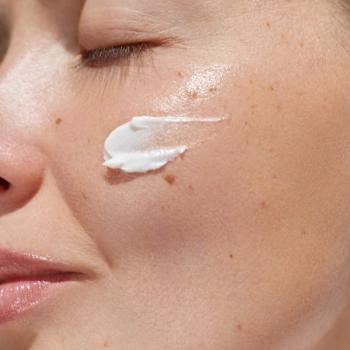
The cream contains barrier-repairing ingredients that may enhance self-healing and hydration in affected skin.
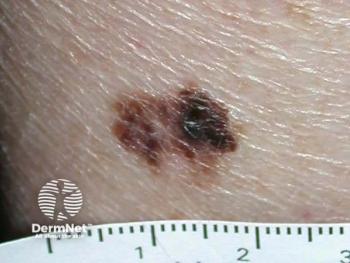
Nearly half of patients with melanoma experience significant distress, affecting treatment adherence and quality of life.

Researchers behind a recent review shared expert insights, treatment guidelines, and differential diagnosis techniques for pediatric rosacea.

Targeting type 2 cytokines with monoclonal antibodies has revolutionized treatment for inflammatory skin diseases, reducing symptoms and improving quality of life.
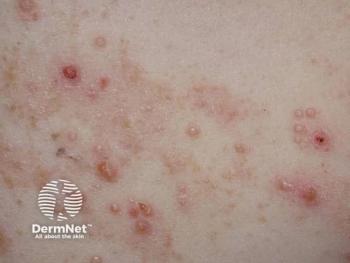
An expert panel of clinicians provided insights on first-line treatments, maintenance strategies, and flare management for AD.

Research suggests that neomycin allergy may be underdiagnosed despite its common use in medical and cosmetic formulations.
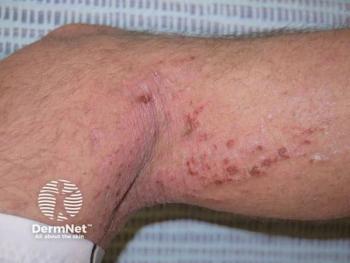
The study identified 2 fungal profiles in AD patients, with 1 subgroup exhibiting distinct fungal dysbiosis.

Researchers have identified elevated eosinophil levels as a potential marker for chronic urticaria in pediatric patients.
Explore the top headlines of the week including insights on voluntary recalls, DIMIDs and pandemic risks, and AAD pearls.
This week, we feature top articles from our sister publications on long COVID recovery, integrating AI into pharmacy, and more.