

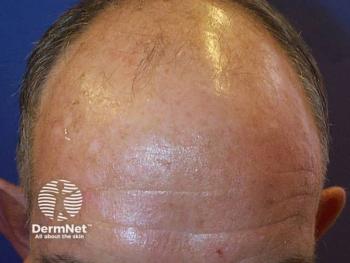
At week 24, the proportion of Asian patients achieving significant hair regrowth (SALT ≤20) was substantially higher in ritlecitinib treatment groups than in placebo groups.
Maddi Hebebrand is an associate editor of Dermatology Times and joined the MJH Life Sciences team in May 2024. She attended Baldwin Wallace University, studying Media Production and Film, and received her Masters in Digital Media from Ohio University. When she's not writing, Maddi loves to read, attend concerts and spend time with her family.
At week 24, the proportion of Asian patients achieving significant hair regrowth (SALT ≤20) was substantially higher in ritlecitinib treatment groups than in placebo groups.

Participants reported increased confidence in clinical interactions and greater interest in dermatology as a career path.

Nail psoriasis affects 50% of plaque psoriasis patients, making effective treatments crucial.
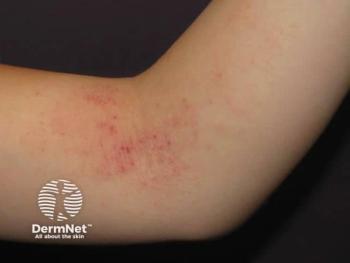
A recent study highlights the need for ophthalmologic monitoring in pediatric dupilumab therapy.

The investigational drug, designed using AI technology, optimizes pharmacologic characteristics for psoriasis treatment.

The expert discussion focused on patient management strategies, treatment modalities, and the role of multidisciplinary collaboration.

A pilot study revealed that mitochondrial complex I-blocking drugs, like metformin and berberine, improved TSW symptoms in most participants.

Join Dermatology Times in celebrating the women who make this field shine through their patient interactions, clinical insights, and research.

Tomassian noted unrealistic beauty standards fueled by social media filters and edited images have led to distorted expectations.
Explore the top headlines of the week including insights on L'Oréal’s voluntary recall of benzoyl peroxide products, the impact of GLP-1 medications on skin health, and more 2025 conferences.
This week, we feature top articles from our sister publications on FDA updates, Medicaid pricing, and more.

A study analyzed TikTok’s top 50 videos on hyperpigmentation in skin of color, revealing a discrepancy between engagement and medical accuracy.

By staying authentic and leveraging real patient experiences, Tomassian ensures his content remains valuable and trustworthy.

An analysis of 70 studies shows that MMS reduces local recurrence to 5.0% compared to 17.7% for WLE in anogenital SCC cases.

By leveraging the innovative biomarker panels, clinicians can now offer more personalized and effective treatment options for psoriasis and AD.

The agency shared details of additional voluntary recalls and its plans to release full results of its independent testing in the coming months.
This week, we feature top articles from our sister publications on updates in surgical management, diabetes control, and more.
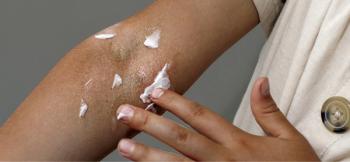
Ruxolitinib cream showlasting safety and efficacy in children with moderate to severe atopic dermatitis.

The study found half of the patients receiving once-monthly lebrikizumab achieved complete skin clearance at 3 years, with 87% maintaining near-clearance.
Explore the top headlines of the week including insights on the environmental impact of conferences, new clinical data, and the shift towards more natural-looking results.
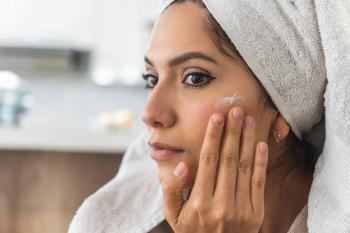
The recall includes L'Oréal's Effaclar Duo product. Stay tuned for more updates throughout the day.
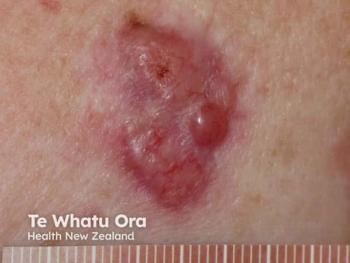
Medicus’ previous phase 1 study confirmed D-MNA’s safety, with some participants achieving complete BCC clearance.
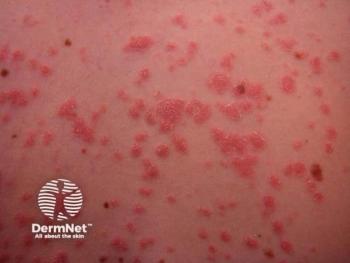
Findings suggest that most patients on risankizumab met or exceeded the National Psoriasis Foundation’s treatment goals.

The ADORING 3 study demonstrated that tapinarof cream 1% maintains low disease activity in patients with AD for an average of 79.8 days post-treatment.

Catch up on coverage from the first day of the 2025 American Academy of Dermatology Annual Meeting held in Orlando, Florida.

In addition to Taylor, several other new leaders have been appointed to key roles within the AAD to help drive its mission of advancing dermatology.

Ahead of the annual meeting, Dermatology Times spoke with Draelos about why she looks forward to the meeting each year.

The company showcased advancements in tirbanibulin and its early-stage antibody LAD191.

Published in JID, the study analyzes data from the FDA’s FAERS database to examine cases of neoplasms—including skin and breast cancers—potentially associated with benzoyl peroxide use.

Serota and other field experts discussed best practices as well as new therapeutics.