

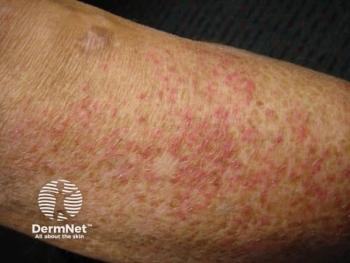
Explore the effectiveness of basic emollients in treating xerosis cutis associated with atopic dermatitis, enhancing skin hydration and barrier function.
Maddi Hebebrand is an associate editor of Dermatology Times and joined the MJH Life Sciences team in May 2024. She attended Baldwin Wallace University, studying Media Production and Film, and received her Masters in Digital Media from Ohio University. When she's not writing, Maddi loves to read, attend concerts and spend time with her family.
Explore the effectiveness of basic emollients in treating xerosis cutis associated with atopic dermatitis, enhancing skin hydration and barrier function.

Discover innovative rosacea treatments combining injectable hyaluronic acid with traditional therapies to enhance skin health and boost patient confidence.

Discover how upadacitinib outperforms dupilumab in providing rapid itch relief for moderate-to-severe atopic dermatitis in a recent AAD study.
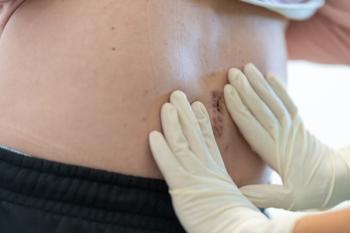
Explore how tyrosine kinase inhibitors hinder wound healing, revealing critical insights for clinicians in dermatology and oncology.
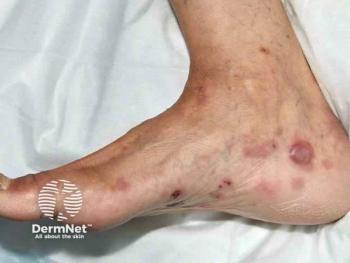
Complete remission was achieved in over 87% of dupilumab users and 64% of omalizumab users.


Despite early psychological symptoms, over half of patients in the study completed their full treatment course.
Continuity with a known physician and rapid response times significantly increased patient willingness to use teledermatology.
Strengthening interdisciplinary relationships remains a central part of Baker’s focus.

While dietary changes can help slightly, they’re not a cure-all for most patients with AD.

Explore the top headlines of the week including insights on the latest clinical trials, therapeutic updates, and more.
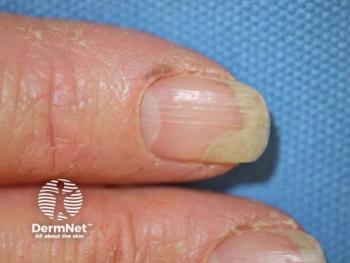
Trials often exclude high-risk patients, limiting the real-world relevance of their safety findings.

Dupilumab becomes the first targeted therapy approved for chronic spontaneous urticaria in more than a decade.
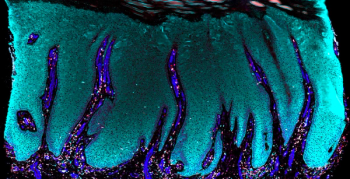
Spearheaded by John Zampella, MD, FAAD, and Mitchell Hanson, the project highlights how art can foster community and empathy in dermatology.
Having multiple therapeutic options would allow clinicians to tailor treatment and offer hope to patients who don't respond initially.
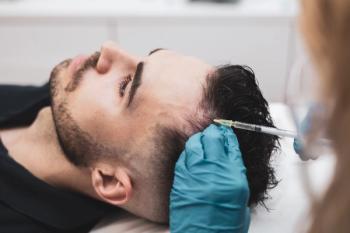
Patients undergoing plastic surgery have the highest prevalence of BDD at 24%.
Catch up on dermatology news, highlights, and insights from the past 24 hours.

Genetic proxies for PCSK9 inhibition were consistently associated with reduced vitiligo risk across 2 biobanks.

Tapinarof offers sustained relief for atopic dermatitis, enabling treatment-free periods and long-term disease control—even in young children.
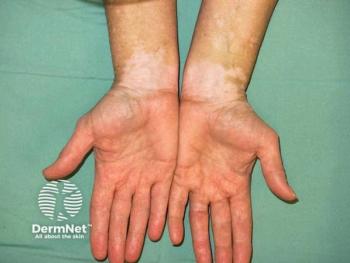
Phototherapy, commonly used for vitiligo, might help reduce cardiovascular risk through anti-inflammatory effects.
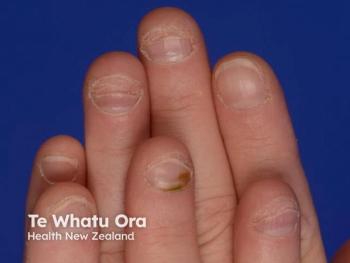
In a large study, nearly half of SIND patients also had other BFRBs like skin picking or hair pulling.

Untreated or undertreated AD can lead to poor sleep, infections, and stunted development.

Experts explore how rosacea research is evolving, with new treatments, gaps in care, and a push for more inclusive, targeted approaches.
Explore the top headlines of the week including insights on infection risks, drug updates, and more.

This week, we feature top articles from our sister publications on FDA approvals, innovative tech updates, and more.

Satisfaction levels remained high at 12 weeks post-treatment among those who received acupuncture.
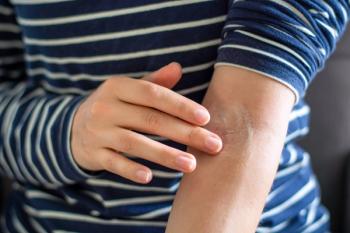
While approved for vitiligo and atopic dermatitis, ruxolitinib cream may help treat other inflammatory skin diseases.
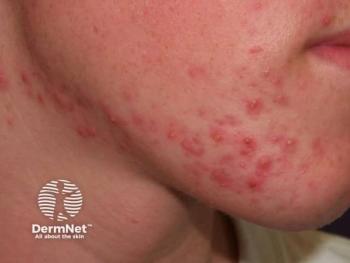
Microneedles successfully penetrated simulated skin barriers, suggesting their effectiveness in reaching sebaceous glands.

Bill Damsky, MD, PhD, pioneers molecular diagnostics to close the gap between research and clinical care in inflammatory skin disease.

Physicians can customize treatment depth and intensity with Avava’s system, improving results for various skin concerns.