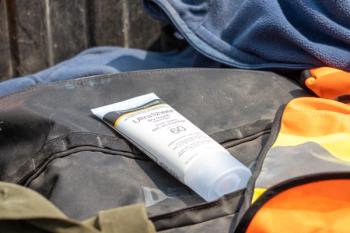
Two new Neutrogena facial sunscreens incorporate bemotrizinol, the first new sunscreen active ingredient added to the US OTC monograph in decades.
Chesahna Kindred, MD, MBA, FAAD, highlights the need for tailored dermatological care for textured hair, addressing misdiagnoses and promoting collaboration with hairstylists.
At the
In a recent interview with Dermatology Times, Kindred expanded on the challenges of underrecognized conditions, the importance of patient-centered treatment strategies, and innovative ways clinicians can collaborate with hairstylists to close gaps in care.
Commonly Mismanaged Scalp Conditions
Despite being considered core dermatologic diagnoses, some scalp disorders remain misdiagnosed, especially in patients of color. Kindred explained, “A common one is, believe it or not, psoriasis, which is really like a bread and butter dermatology diagnosis. But in Black women, it can be a little bit more powdery and more likely, mistaken for seborrheic dermatitis, unfortunately, which is even more confusing if the scalp psoriasis is limited to the scalp, and you have no other hints.”
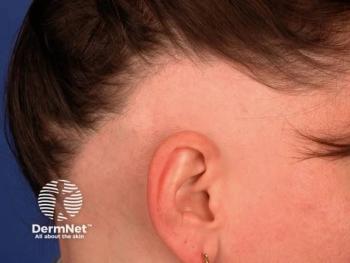
She also pointed to central centrifugal cicatricial alopecia (CCCA) and scalp eczema as conditions that require greater clinical attention. “The second one is actually CCCA, which is another bread and butter for hair geeks, and it’s mistaken for an alopecia areata sometimes, which can even mess up some clinical studies. A third one, especially out of this event, scalp eczema. I think we’re all taught that scalp eczema is just in kids, but there are definitely some participants there where I can see how the patient may have felt a little dismissed about their scalp eczema. Then they found another dermatologist who recognized it, and they got the treatment they were looking for.”
The Impact of Hair Texture on Treatment
Textured hair creates specific clinical considerations that clinicians must address when treating scalp conditions. Kindred noted, “Unfortunately, dermatologists were missing just basic education about treating hair and scalp disorders when it comes to patients without straight hair. For textured hair, the biology tells us that the sebum doesn’t slide down, the hair gets drier, brittle, the curls are more vulnerable, etc, so we don’t want alcohols and other drying agents for this hairstyle.”
She stressed the importance of making topical therapies understandable and accessible to patients. “You just simply ask the patient, do you want a foam like shaving cream? Do you want an ointment like petroleum jelly? Do you want a cream? We can break down the vehicles to patients in a way that they understand it, and that becomes very important with textures. What I wish were the case, because it’s been done before, is if we had solutions without alcohol. Because honestly, patients with textured hair like solutions too, but they hate solutions with alcohol.”
Innovations and the Role of Hairstylists
Kindred is a leading advocate for bridging the gap between dermatology and the hair care industry. “I’m the first dermatologist in the US to have a full service hair salon, because there’s a gap between what we as dermatologists do medically and what stylists do, and often our patients fall right through the gap. So we formed an organization called STRAND—stylist training, researching and networking with dermatologists—and there you have a marriage of stylists and dermatologists.”2
She explained how this collaboration benefits patient care: “One example is, let’s say we do want the patient on a topical and the patient plans on getting her hair braided for the summer, which is a very common cultural practice among Black populations, but you just told her to wash her hair so often, right? The stylist can adjust the hairstyle in a way that the patient can still do whatever it is we need the patients to do.”
New Treatments and Patient Reassurance
With rapid innovations in hair and scalp medicine, Kindred encouraged patients not to lose hope. “I highly recommend patients to just check in with the dermatologist. My colleague, Dr. Hope Mitchell, tells our patients, just check in once a year. There has been something new and groundbreaking for hair every 6 months for about the last 5 years. This is the time for that patient who left the health care system to check in.”
She also highlighted the importance of awareness around personal care products. “One great thing is patients may not know to avoid linalool. Linalool is an ingredient in a lot of personal hair care products, and linalool causes hair loss, and it’s not mainstream knowledge.”
Respecting Patient Concerns
Ultimately, Kindred emphasized that dermatologists are the only true specialists for scalp health—and therefore must take patient concerns seriously. “It’s not like we are internists and we can refer our patients to the nephrologist or the cardiologist. For hair, we’re the beginning and the end. For scalp, we’re the beginning and the end. There is no one else. So if a patient comes to us with a hair and scalp disorder, we really need to make sure we address it respectfully.”
Reflecting on the event itself, she added, “Although we were dermatologists, talking with participants as dermatologists, I feel like we got a lot from them. It was a space that allowed us to talk to patients and really hear their side. And we just have to make sure we do a really good job of making sure our patients understand that we’re listening and that they’re heard, and we probably need to take one extra step further and to share decision making with our patients.”
Key Takeaways
Kindred’s insights highlight the clinical and cultural complexity of scalp disorders. Misdiagnoses remain common, and treatment plans must be tailored not only to the condition but to the biology and cultural practices surrounding textured hair. Her model of integrating hairstylists and dermatologists through STRAND demonstrates how collaboration can close gaps in care.
With new therapies emerging rapidly, dermatologists must remain up-to-date while patients are encouraged to reengage with care they may have abandoned in the past. Above all, Kindred’s message reinforces the importance of listening, respect, and shared decision-making as essential components of effective dermatologic care.
References