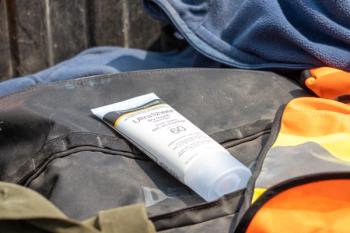
Two new Neutrogena facial sunscreens incorporate bemotrizinol, the first new sunscreen active ingredient added to the US OTC monograph in decades.
Explore the top headlines of the week, including insights on the latest clinical trials, therapeutic updates, and more.
To stay up to date with the latest dermatology news, sign up to receive our
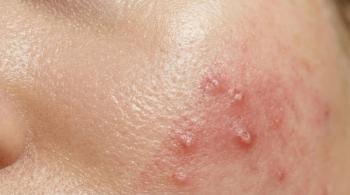
Acne vulgaris affects over 50 million people annually in the US, and while standard therapies remain the foundation of care, their limitations have driven interest in laser-based treatments. Visible light lasers such as pulsed-dye devices can reduce inflammatory lesions but carry pigmentation risks, while near-infrared Nd:YAG lasers have shown broad efficacy, especially in combination approaches. Newer 1726-nm diode lasers (AviClear, Accure) directly target sebaceous glands with response rates above 85% and minimal side effects, and fractional CO₂ lasers improve both active acne and scarring. Although more controlled, long-term studies are needed, lasers offer a promising non-pharmacologic option that may reduce antibiotic reliance and expand treatment choices for patients unresponsive to conventional therapies.
In a recent Dermatology Times interview, Las Vegas dermatologist David Cotter, MD, PhD, discussed the promise and pitfalls of AI in clinical practice. While AI tools like scribes and prior authorization assistants are reducing administrative burdens and streamlining patient access to treatments, Cotter warns that insurers are also using AI—often to deny claims at alarming rates. This dual use has sparked legal action, including class-action lawsuits against companies allegedly automating denials without proper review. Clinically, AI has potential in diagnostics, especially for skin cancer, but Cotter stresses it's not yet reliable as a standalone tool. Instead, he advocates for a collaborative approach: “man with machine.” Cotter urges fellow clinicians to embrace AI responsibly, integrating it into practice while remaining vigilant, saying, “The future is now… If we shy away from it, patients may experience harm.”
At the
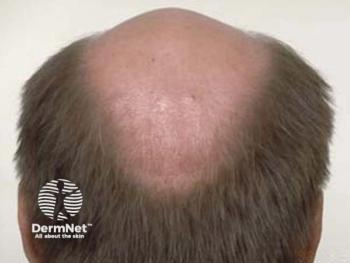
Mallia Aesthetics GmbH, a German biopharmaceutical and cosmetics company, completed several developmental and regulatory steps toward the validation of MAL-838, the foundation of its upcoming hormone-free 8T3 product line targeting hair growth. These steps further establish the novel products’ readiness for the market later this year.
The FDA has issued warning letters to Supergoop and Vacation Inc. for marketing sunscreen mousse products without agency approval. While sunscreens are regulated as OTC drugs, only certain dosage forms—such as lotions, creams, gels, sprays, and sticks—are permitted under the current OTC monograph. Foam and mousse formats require specific FDA authorization, which has not been granted.
Supergoop’s “PLAY SPF 50 Body Mousse” and Vacation’s “Classic Whip” sunscreen line were cited as misbranded, with the FDA noting that Vacation’s whipped cream–style packaging also posed a risk of confusion with food products, particularly for children. Both companies must respond within 15 days or face potential enforcement actions, including seizure or injunction.