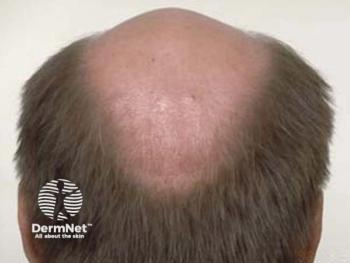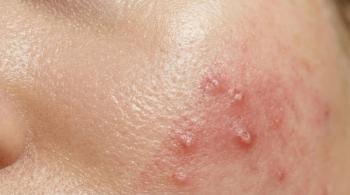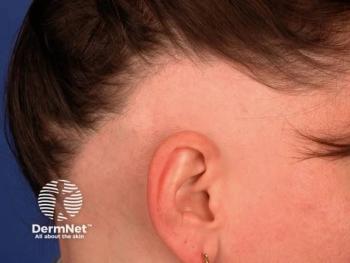
The FDA approval, based on 36-week data from the phase 3 BRAVE-AA-PEDS trial, extends baricitinib access to patients as young as 12 years old with severe alopecia areata.
Key regulatory milestones for MAL-838, a novel sCD83-based, hormone-free hair growth ingredient, are paving the way for the market launch of a microbiome-friendly 8T3 product line.
Mallia Aesthetics GmbH, a German biopharmaceutical and cosmetics company, completed several developmental and regulatory steps toward the validation of MAL-838, the foundation of its upcoming hormone-free 8T3 product line targeting hair growth.1 These steps further establish the novel products’ readiness for the market later this year.
“We’re very happy to have successfully achieved these regulatory steps. With the safety evaluation completed, INCI registration and CosIng listing obtained, and the microbiome-friendliness validated, we have laid the foundation for a responsible and successful market entry with our 8T3 product line. Our goal is to deliver truly differentiated products in the hair growth market that are scientifically sound, safe, and aligned with current standards in skin health,” said Anne Asmuß, PhD, MBA, Managing Director of Mallia Aesthetics.
The company has conducted successful safety assessments of all products planned for the 8T3 line, as well as confirming the safety of MAL-838 as a cosmetic ingredient, in accordance with the European Cosmetics Regulation No 1223/2009. This includes in vitro and in silico toxicological testing. It is now listed in the European Cosmetic Ingredient Database (CosIng) and has been given a dedicated INCI name of sh-Polypeptide‑167. This designation is used on product labels, creating transparency for clinicians and patients. The 8T3 product lines are also confirmed to be microbiome-friendly, according to independent testing. This confirms that the formulations are mild and compatible with the skin while still delivering high-performance results for those experiencing hair loss. Current cosmetic hair growth products on the market often contain ethanol or antimicrobial preservatives that can disrupt the health of the skin barrier and microbiome.
MAL-838 is derived from sCD83, a human-soluble protein. The protein was first discovered over 20 years ago by Alexander Steinkasserer, PhD, co-founder of Mallia, and research has demonstrated its ability to induce signaling pathways and stimulate hair growth. It is known for its anti-inflammatory and regenerative properties, thus promoting wound healing and new hair growth.2 It also activates regulatory T cells (Tregs) and inhibits cell death of hair follicles while activating follicular stem cells.3 This multimodal mode of action differs from other topical hair growth therapies. Additionally, topical sCD83 does not penetrate through the skin and enter the bloodstream. This localized effect limits the presence of potentially severe adverse events traditionally seen with systemic options.
MAL-838 is a cosmetic counterpart to Mallia’s investigational therapeutic compound MAL-856, which is currently being developed for clinical use in conditions such as androgenetic alopecia and alopecia areata. The launch of the 8T3 product line represents the first commercial application of sCD83-based technology in the dermatology and hair care sectors.
References
1. Mallia Aesthetics achieves key regulatory steps for novel sCD83-derived ingredient for hair growth. Press release. Finanzwire. Published August 20, 2025. Accessed August 27, 2025.
2. Royzman, D., Peckert-Maier, K., Stich, L., König, C., Wild, A. B., Tauchi, M., ... & Steinkasserer, A. (2022). Soluble CD83 improves and accelerates wound healing by the induction of pro-resolving macrophages. Frontiers in Immunology, 13, 1012647. DOI:
3. Bock, F., Rössner, S., Onderka, J., Lechmann, M., Pallotta, M. T., Fallarino, F., ... & Zinser, E. (2013). Topical application of soluble CD83 induces IDO-mediated immune modulation, increases Foxp3+ T cells, and prolongs allogeneic corneal graft survival. The Journal of Immunology, 191(4), 1965-1975. DOI: