

Amy Snow, MSPAS, PA-C's mobile nonprofit brings free acne treatment, education, and hope to underserved teens.

Amy Snow, MSPAS, PA-C's mobile nonprofit brings free acne treatment, education, and hope to underserved teens.
Christopher Bunick, MD, PhD, shares his insights on the FDA approval of bemotrizinol and what the ingredient's properties mean for sun protection and cosmetic elegance.

Julie Harper, MD, discusses phase 3 data for Denifanstat, an oral FASN inhibitor, for acne.
Valerie Stern, DMSc, MPAS, PA-C, argues that dermatology conferences offer APPs something CME alone can't — a community that understands the specific professional pressures of the role.
Zoe Diana Draelos, MD, discusses how to clinically distinguish Malassezia folliculitis from acne vulgaris and when to consider antifungal therapy.
From case reports to conference presentations, Stern outlines a practical path APPs can follow to build a profile beyond their day-to-day clinical role.
William Posten, MD, discusses outcomes, recurrence rates, and the importance of patient adherence in a combined surgical excision and radiation therapy protocol for keloids.
Dermatologist shortages delay squamous cell cancer detection; learn practical screening and risk cues that help catch aggressive tumors earlier.
How dermatologists size up suspected cutaneous SCC—site, size, risk factors, pathology—to rank risk and choose the right treatment.

Translational Takeaways distills the most clinically relevant findings from emerging dermatology research into clear, practice-focused insights that inform real-world decision-making.
Elizabeth Buzney, MD, provides an overview of the mechanism of action, administration protocol, and clinical safety profile of afamelanotide for erythropoietic protoporphyria.
Lakshi M. Aldredge, MSN, ANP-BC, DCNP, discusses late-breaking data preseneted at SDNP on novel immune-mediated therapies for atopic dermatitis, alopecia areata, and hidradenitis suppurativa.
Suneel Chilukuri, MD, explains why acne care requires a holistic approach that treats both visible lesions and the "mental scarring" that affects patient self-confidence.
Learn why non-comedogenic moisturizers and hyaluronic acid support the skin barrier in acne patients, plus how patients can use benzoyl peroxide safely.

Deborah Sarnoff, MD, president of the Skin Cancer Foundation, discusses actinic keratosis detection, treatment, and clinician resources provided by the Skin Cancer Foundation.
As one of California's first derm PAs, Stern discusses the mentorship-driven private practice model that launched her career and its near-disappearance today.

Zoe Diana Draelos, MD, FAAD, discussed the clinical rationale for incorporating plant adaptogen-based skin care into rosacea management, including how an OTC serum performed alongside prescription therapies.

Jared Gollob, MD, discusses phase 1b biomarker findings for KT-621, a STAT6 degrader in atopic dermatitis, presented at SID 2026.
Patients experiencing hormonal skin changes frequently report feeling unheard, and Doral Fredericks, PharmD, MBA, argues that active reassessment rather than attribution to aging is the clinical default that's needed.
Discover how tailored pre- and postmicroneedling care, plus lactobacillus exosome boosters, may speed healing, improve scars, and deliver safe, FDA-cleared results.
Miriam Pomerantz Kadosh, MSW, LCSW, director of education and patient engagement at the Melanoma Research Foundation, outlines free resources available to dermatology practices and communities.
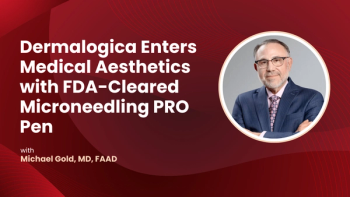
Michael Gold, MD, explains why the brand's microneedling pen stands out, with customizable depth, speed, and cartridges for rejuvenation and acne-scar treatment credibility.
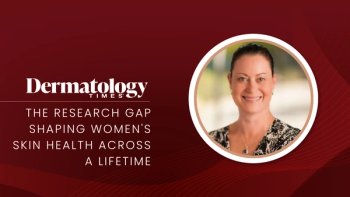
Organon's Doral Fredericks, PharmD, MBA, explains why pregnancy and menopause remain chronically understudied in dermatology research and what clinicians are missing as a result.
Deborah Sarnoff, MD, president of the Skin Cancer Foundation, shares the importance of the "Hats On for AK" social media campaign designed to bring awareness to sun protection and reducing actinic keratosis risk.
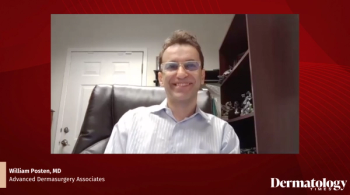
William Posten, MD, discusses the evolution of keloid treatment and the clinical outcomes he has observed with excision followed by immediate radiation therapy.
This episode examines the diagnostic workflow for cutaneous squamous cell carcinoma (cSCC), emphasizing how clinical, pathological, and patient-specific factors inform risk assessment, prognostication, and individualized management strategies.
This episode reviews the rising burden of cutaneous squamous cell carcinoma (cSCC), highlighting key risk factors, variable clinical presentations, and the growing role of molecular profiling tools in improving risk assessment and clinical decision-making.
Translational Takeaways distills the most clinically relevant findings from emerging dermatology research into clear, practice-focused insights that inform real-world decision-making.
Elizabeth Buzney, MD, discusses the key reasons erythropoietic protoporphyria is frequently misdiagnosed and the consequences of prolonged diagnostic delay.
This month, we asked our experts: What is the craziest social media trend or myth you’ve seen about sunscreen, suncare, tanning?