Now Playing
This episode reviews the rising burden of cutaneous squamous cell carcinoma (cSCC), highlighting key risk factors, variable clinical presentations, and the growing role of molecular profiling tools in improving risk assessment and clinical decision-making.
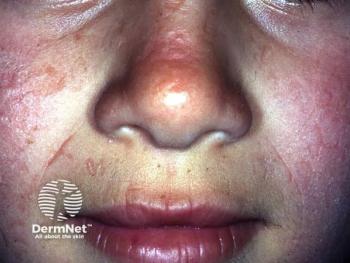
Welcome back to another Dermatology Times DermView series. In this episode titled, “cSCC Risk Factors and Clinical Presentation,” the expert faculty discuss the growing burden of cutaneous squamous cell carcinoma (cSCC) in clinical practice and the patient populations most commonly at risk for disease development and progression. The panel reviews key risk factors, including chronic ultraviolet exposure and immunosuppression, and highlights how these variables shape clinical suspicion and risk assessment in daily practice.
The discussion also explores the variability in clinical presentation of cSCC and the challenges clinicians face when identifying patients with potentially high-risk disease. The expert faculty emphasize the importance of patient history, physical examination, and early recognition in guiding diagnostic evaluation and management decisions. Additionally, the panel introduces the limitations of traditional risk assessment approaches and discusses the emerging role of molecular profiling tools, including gene expression profiling, in refining risk stratification and supporting clinical decision-making in cSCC.
In the next episode, “Diagnostic Workflow in cSCC,” panelists will continue their discussion on cutaneous squamous cell carcinoma and highlight the evolving role of gene expression profiling and other molecular tools in refining risk stratification, guiding treatment selection, and supporting multidisciplinary management decisions in clinical practice.