


Opinion|Videos|July 6, 2026
Treatment Strategies in cSCC
Author(s)Gaurav Singh, MD MPH, Shadi Khalil, MD PhD
Learn how cutaneous SCC care shifts from topical therapy to Mohs, radiation, and PD-1 immunotherapy, guided by shared decisions and profiling.
Advertisement
Episodes in this series
In this episode, “Treatment Strategies in cSCC,” the panelists explore current treatment approaches for cutaneous squamous cell carcinoma (cSCC) across low-risk, high-risk, and advanced stages of disease. The expert faculty discuss how treatment selection is guided by tumor characteristics, anatomic location, recurrence risk, patient preferences, and multidisciplinary collaboration.
The panel reviews management options for localized low-risk cSCC, including topical therapies, cryotherapy, electrodesiccation and curettage, photodynamic therapy, simple excision, and Mohs micrographic surgery. The discussion highlights the importance of shared decision-making and balancing efficacy, cosmetic outcomes, and patient lifestyle considerations when selecting treatment approaches.
For high-risk localized disease, the expert faculty discuss the role of Mohs surgery, wide local excision, tumor board evaluation, and adjuvant radiation therapy, particularly in cases involving perineural invasion, close margins, or recurrent disease. The panel also examines how multidisciplinary management supports treatment planning for more complex tumors.
Additionally, the discussion focuses on the evolving treatment landscape for advanced and metastatic cSCC, including the growing role of immunotherapy. The panelists review clinical experience with PD-1 and PD-L1 inhibitors, while also discussing ongoing questions surrounding treatment sequencing, clinical trial outcomes, and patient selection. Throughout the episode, the expert faculty emphasize how precision medicine and molecular profiling approaches may further refine treatment decisions and help individualize care for patients with cSCC.
The next episode in this series, “Long-Term Management Strategies in cSCC,” features the panelists discussing the evolving role of clinical guidelines and molecular profiling in shaping personalized management approaches for patients with cSCC.
Advertisement
Related to this article
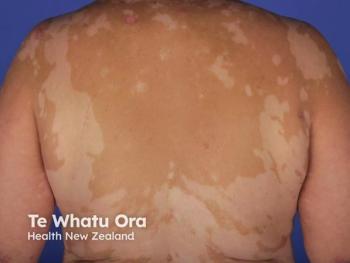
The FDA clearance allows Edesa to expand an ongoing placebo-controlled study of the CXCL10 antibody EB06 to US sites, with topline data expected in the fourth quarter of 2027.

The novel oral helicase-primase inhibitor demonstrated significantly higher rates of complete lesion healing compared with investigator’s choice treatment in the phase 3 PRIOH-1 trial.
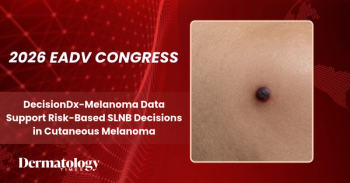
Prospective data suggest DecisionDx-Melanoma may help refine SLNB decisions and identify recurrence risk beyond conventional staging.
Falk G. Bechara, MD, discusses long-term tunnel control, structural damage, and the evolving role of biologics and surgery in HS care.
Galderma has agreed to acquire ZO Skin Health for $1.5 billion, adding the physician-dispensed skincare brand to a portfolio that already includes Cetaphil and Alastin.

New dermatology research explores hidden steroids in OTC products, infant eczema, melanoma prevention, cutaneous lymphoma, and pediatric AD.

SYX-5219 improved disease severity and itch in a Phase 1b trial of adults with moderate to severe atopic dermatitis.

In a survey of 301 employed adults, overall work impairment attributable to CHE was 31.8%, and quality of life worsened in step with self-reported disease severity.
Advertisement
Advertisement
Trending on Dermatology Times
1
FDA Approves Pritelivir for Refractory Mucocutaneous HSV in Immunocompromised Adults
2
GLP-1 Agonists Address Metabolic Risk in Psoriatic Disease
3
EB06 Phase 2 Vitiligo Study Receives FDA IND Clearance
4
EADV 2026 Atopic Dermatitis Highlights: Tilrekimig, RAC2 Inhibition, and Level Up Data
5