


Opinion|Videos|April 2, 2026
The Evolving HS Treatment Landscape: JAK Inhibitors and the Emerging Pipeline
Author(s)Jennifer Hsiao, MD, Barry Resnik, MD, FAAD
Why hidradenitis suppurativa patients go undertreated—fatigue, clinician risk fears, and insurance hurdles—plus tips to access modern biologics.
Advertisement
Episodes in this series
This episode, titled ‘The Evolving HS Treatment Landscape: JAK Inhibitors and the Emerging Pipeline,’ features expert dermatologists discussing the rapidly expanding range of therapeutic options for HS beyond currently approved biologics. Dr. Hsiao opens by distinguishing between biologics, which work extracellularly by targeting specific cytokines or receptors, and JAK inhibitors, which work intracellularly by inhibiting shared signaling pathways such as the JAK-STAT pathway. She highlights two JAK1-selective inhibitors currently in the pipeline for HS, povorcitinib and upadacitinib, noting that povorcitinib's Phase 3 studies, Stop-HS1 and Stop-HS2, met their primary endpoints at both the 45mg and 75mg daily doses versus placebo, with continued improvement and good tolerability observed through 24 weeks. She also shares excitement about upadacitinib’s Phase 3 trial, which has opened enrollment to patients as young as 12, addressing a significant unmet need in the adolescent population where FDA-approved opt
Dr. Resnik shares his clinical experience using upadacitinib off-label, both as monotherapy and in combination with biologics for severe, recalcitrant cases, and expresses anticipation for higher approved dosing ranges given that HS patients typically require more aggressive treatment than those with atopic dermatitis. Both physicians address lingering safety concerns around JAK inhibitors stemming from earlier tofacitinib data in rheumatoid arthritis patients, emphasizing that those findings involved a different drug, a different patient population, and concurrent immunosuppression, and that accumulating long-term safety data in dermatologic populations continues to support their use.
Dr. Hsiao rounds out the discussion by previewing additional pipeline agents including remibrutinib, an oral BTK inhibitor she is already using off-label, lutikizumab, sonelokimab, and topical ruxolitinib targeting mild to moderate HS. Both physicians agree that expanding the treatment arsenal is critical, with Dr. Resnik stressing that having more approved options increases the likelihood of finding a therapy that provides durable, long-term benefit for each individual patient.
In the next episode, ‘Assessing Quality of Life and Building Trust Through Patient-Centered Communication in HS,’ panelists will continue their discussion on HS and highlight the importance of assessing quality of life improvements alongside clinical outcomes, while sharing practical communication strategies that help clinicians build trust, set realistic treatment expectations, and foster a collaborative, long-term partnership with their patients.
Advertisement
Related to this article

The FDA clearance allows Edesa to expand an ongoing placebo-controlled study of the CXCL10 antibody EB06 to US sites, with topline data expected in the fourth quarter of 2027.

The novel oral helicase-primase inhibitor demonstrated significantly higher rates of complete lesion healing compared with investigator’s choice treatment in the phase 3 PRIOH-1 trial.
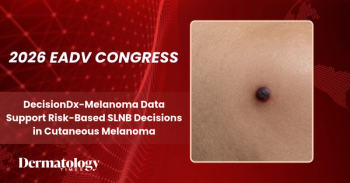
Prospective data suggest DecisionDx-Melanoma may help refine SLNB decisions and identify recurrence risk beyond conventional staging.

Falk G. Bechara, MD, discusses long-term tunnel control, structural damage, and the evolving role of biologics and surgery in HS care.
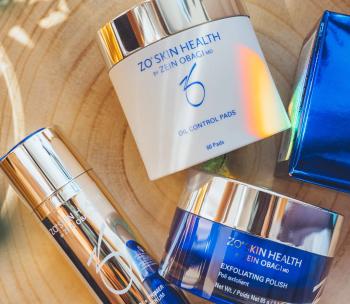
Galderma has agreed to acquire ZO Skin Health for $1.5 billion, adding the physician-dispensed skincare brand to a portfolio that already includes Cetaphil and Alastin.

New dermatology research explores hidden steroids in OTC products, infant eczema, melanoma prevention, cutaneous lymphoma, and pediatric AD.

SYX-5219 improved disease severity and itch in a Phase 1b trial of adults with moderate to severe atopic dermatitis.

In a survey of 301 employed adults, overall work impairment attributable to CHE was 31.8%, and quality of life worsened in step with self-reported disease severity.
Advertisement
Advertisement
Trending on Dermatology Times
1
FDA Approves Pritelivir for Refractory Mucocutaneous HSV in Immunocompromised Adults
2
GLP-1 Agonists Address Metabolic Risk in Psoriatic Disease
3
EB06 Phase 2 Vitiligo Study Receives FDA IND Clearance
4
EADV 2026 Atopic Dermatitis Highlights: Tilrekimig, RAC2 Inhibition, and Level Up Data
5