


Opinion|Videos|March 19, 2026
Key Distinguishing Features of HS
Author(s)Jennifer Hsiao, MD, Barry Resnik, MD, FAAD
Learn why hidradenitis suppurativa is often mistaken for infection and who it affects—key myths that delay diagnosis and proper care.
Advertisement
Episodes in this series
This episode, titled ‘Key Distinguishing Features of HS,’ features expert dermatologists discussing the key clinical findings and diagnostic strategies that help clinicians confidently identify HS, even when presentations are atypical or active lesions are absent. Dr. Resnik outlines the classic diagnostic hallmark of recurrent abscesses arising in the same location across two or more body areas, but also draws attention to a papulonodular variant characterized by small and large bumps that do not coalesce into the typical HS plaques. He emphasizes the importance of looking for bridging comedones, atrophic scarring, and hyperpigmentation as subtle but telling signs, and stresses that a thorough patient history is essential since social media is increasingly prompting patients to self-identify and seek care even when no active lesions are present at the time of their visit.
Dr. Resnik also encourages clinicians to think beyond classic anatomical sites and consider the broader acne tetrad, which includes dissecting cellulitis of the scalp, acne conglobata, pilonidal cysts or sinuses, and HS itself, as collectively these findings can help build a definitive diagnosis. Dr. Hsiao reinforces the value of the full skin examination, noting that HS lesions frequently appear in less typical locations such as the posterior neck, postauricular region, and back. She stresses that recurrence history, which only the patient can provide, is a core diagnostic criterion and that believing the patient is paramount, as dismissing someone due to a lack of active lesions on a given day can erode trust and drive patients away from care entirely.
Dr. Hsiao also addresses the diagnostic challenge of differentiating deep tunnels in the gluteal or groin area from cutaneous Crohn's disease, noting that pelvic MRI with contrast can help distinguish between the two, as Crohn's-related tunnels tend to run deeper and may involve the anal sphincter, whereas HS tunnels are more characteristically dermal. She highlights the clinical relevance of this distinction given that some treatments are better suited for HS than for inflammatory bowel disease.
In the next episode, ‘The Dermatologist's Role in Early HS Recognition and Long-Term Patient Outcomes,’ panelists will continue their discussion on HS and highlight why dermatologists are uniquely positioned to lead the care of HS patients, while making a compelling case for early intervention to prevent irreversible tissue damage and improve long-term outcomes.
Advertisement
Related to this article

A retrospective claims analysis of 2897 matched pairs found hazard ratios of 0.48 to 0.67 for new atopic disease with dupilumab vs systemic corticosteroids in children.
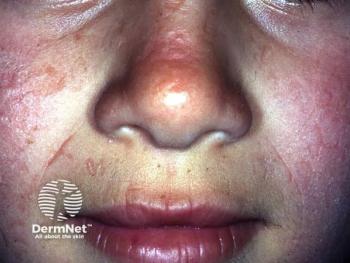
Disc Medicine reports the phase 3 APOLLO trial met all primary and secondary end points, with whole-blood PPIX reduced 41.4% vs placebo and an NDA resubmission planned by end of 2026.

Castor oil has become a popular social media remedy for thicker, longer hair, but evidence supporting its ability to stimulate hair growth remains limited.
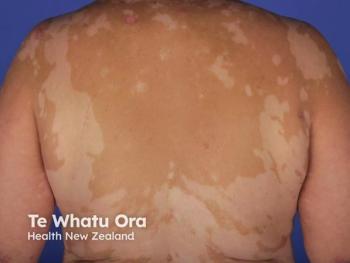
The FDA clearance allows Edesa to expand an ongoing placebo-controlled study of the CXCL10 antibody EB06 to US sites, with topline data expected in the fourth quarter of 2027.

The novel oral helicase-primase inhibitor demonstrated significantly higher rates of complete lesion healing compared with investigator’s choice treatment in the phase 3 PRIOH-1 trial.
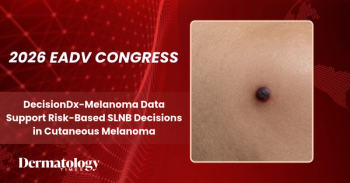
Prospective data suggest DecisionDx-Melanoma may help refine SLNB decisions and identify recurrence risk beyond conventional staging.

Falk G. Bechara, MD, discusses long-term tunnel control, structural damage, and the evolving role of biologics and surgery in HS care.
Galderma has agreed to acquire ZO Skin Health for $1.5 billion, adding the physician-dispensed skincare brand to a portfolio that already includes Cetaphil and Alastin.
Advertisement
Advertisement
Trending on Dermatology Times
1
Social Media Mythbusters: Can Castor Oil Really Grow Hair?
2
Bitopertin Meets All End Points in Phase 3 APOLLO Trial for EPP
3
EADV 2026 Atopic Dermatitis Highlights: Tilrekimig, RAC2 Inhibition, and Level Up Data
4
FDA Approves Pritelivir for Refractory Mucocutaneous HSV in Immunocompromised Adults
5