


Opinion|Videos|April 2, 2026
Assessing Quality of Life and Building Trust Through Patient-Centered Communication in HS
Author(s)Jennifer Hsiao, MD, Barry Resnik, MD, FAAD
New HS therapies emerge as JAK inhibitors show trial promise, safer long‑term data, and combo strategies expand options for severe and teen patients.
Advertisement
Episodes in this series
In this episode, ‘Assessing Quality of Life and Building Trust Through Patient-Centered Communication in HS,’ the panelists explore how effective HS management extends well beyond lesion counts and clinical endpoints to encompass the broader impact of the disease on patients' daily lives, mental health, and social well-being. Dr. Resnik shares his go-to follow-up question, asking patients whether they feel like a human being every day of the month, and describes the meaningful moments when patients report being able to take their children to school or engage in activities they previously could not. He also references a colleague's approach of asking patients at their first visit to identify one thing their disease has prevented them from doing, then revisiting that goal at follow-up appointments as a meaningful marker of treatment success.
Both physicians emphasize the importance of setting realistic treatment expectations, with Dr. Resnik noting that patients should anticipate a three-to-four-month window before evaluating whether a therapy is working, and that framing clear timelines helps keep patients engaged rather than discouraged. He also addresses patient skepticism directly, acknowledging that patients may feel medications are being prescribed arbitrarily, and counters this by explaining that each therapy has demonstrated benefit in others and that the goal is to find what works for them specifically.
Dr. Hsiao stresses that one of the most powerful things a clinician can say to an HS patient is that the disease is not their fault, noting that guilt and self-blame are pervasive, particularly in consultations involving adolescent patients and their parents. She encourages framing the treatment journey as a team effort, reassuring patients that if one therapy does not work, others are available, and that the clinician will remain a committed partner throughout. Both physicians close by underscoring that successful HS care requires combining medical and procedural approaches and maintaining an unwavering commitment to staying on the journey with each patient for the long term.
The final episode in this series, ‘Empowering HS Clinicians and Patients: Educational Resources and Community Connection,’ features panelists concluding their conversation on HS and focusing on the wealth of practical resources available to both patients and clinicians, emphasizing that connecting patients to support networks and educational tools is a vital extension of the care provided in the clinic visit.
Advertisement
Related to this article

A retrospective claims analysis of 2897 matched pairs found hazard ratios of 0.48 to 0.67 for new atopic disease with dupilumab vs systemic corticosteroids in children.

Disc Medicine reports the phase 3 APOLLO trial met all primary and secondary end points, with whole-blood PPIX reduced 41.4% vs placebo and an NDA resubmission planned by end of 2026.

Castor oil has become a popular social media remedy for thicker, longer hair, but evidence supporting its ability to stimulate hair growth remains limited.

The FDA clearance allows Edesa to expand an ongoing placebo-controlled study of the CXCL10 antibody EB06 to US sites, with topline data expected in the fourth quarter of 2027.

The novel oral helicase-primase inhibitor demonstrated significantly higher rates of complete lesion healing compared with investigator’s choice treatment in the phase 3 PRIOH-1 trial.
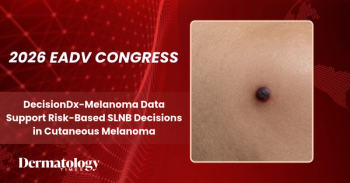
Prospective data suggest DecisionDx-Melanoma may help refine SLNB decisions and identify recurrence risk beyond conventional staging.

Falk G. Bechara, MD, discusses long-term tunnel control, structural damage, and the evolving role of biologics and surgery in HS care.
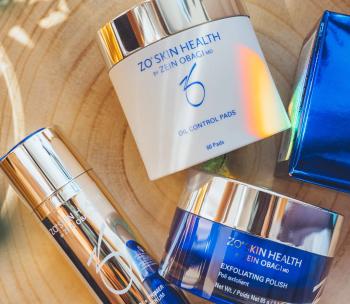
Galderma has agreed to acquire ZO Skin Health for $1.5 billion, adding the physician-dispensed skincare brand to a portfolio that already includes Cetaphil and Alastin.
Advertisement
Advertisement
Trending on Dermatology Times
1
Social Media Mythbusters: Can Castor Oil Really Grow Hair?
2
Bitopertin Meets All End Points in Phase 3 APOLLO Trial for EPP
3
EADV 2026 Atopic Dermatitis Highlights: Tilrekimig, RAC2 Inhibition, and Level Up Data
4
FDA Approves Pritelivir for Refractory Mucocutaneous HSV in Immunocompromised Adults
5