

Opinion|Videos|June 30, 2026
A Classic CSU Case: Diagnosing Chronic Spontaneous Urticaria
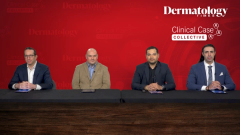
The panel reviews the first patient case—a 38-year-old woman with recurrent hives and intermittent swelling—highlighting the key clinical criteria that clinch a CSU diagnosis.
Advertisement
Episodes in this series
Dr. Chovatiya introduces Case 1: a 38-year-old woman with a six-month history of recurrent, unpredictable hives and intermittent swelling affecting her lips and eyes, with no identifiable trigger. Symptoms occur four to five days per week, individual lesions last less than 24 hours and resolve without any residual skin changes, and the skin appears normal at the time of her visit. She had previously been told by her primary care provider that her symptoms were probably allergies, and food elimination and basic allergy testing were unrevealing. She reports significant sleep disruption, difficulty concentrating at work, embarrassment from visible swelling, and increasing social withdrawal. She had tried over-the-counter cetirizine and loratadine at standard doses with minimal relief.
Dr. Friedman underscores that CSU is a clinical diagnosis and emphasizes the importance of asking the right questions, since patients rarely volunteer all the relevant information unprompted. He identifies the three pillars of the diagnosis: individual lesions lasting less than 24 hours, symptoms occurring for more than six weeks in total, and the absence of any identifiable cause. He also notes that approximately one-third of CSU patients have angioedema—the lip and eyelid swelling seen here—which, unlike hereditary angioedema or anaphylaxis, is not life-threatening but is an expected part of the disease process. The absence of post-inflammatory changes further supports the ephemeral, transient nature of each lesion.
Dr. Chovatiya adds that the panel's collective wisdom boils down to a simple mantra: ask more, lab less. Extensive testing rarely yields actionable results in CSU, and chasing incidental findings can delay appropriate treatment. With the clinical picture clearly captured in this case, the diagnosis of CSU is well established, and the focus should shift entirely to management.
In the next episode, "Diagnostic Workup and Ruling Out Mimickers in CSU," the panel examines how to distinguish CSU from other urticaria subtypes, how to approach angioedema, and how limited—or expansive—the diagnostic workup should be.
Advertisement
Related to this article
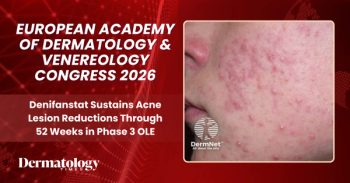
Treatment success reached 56.7% and total lesions fell 71.8% with up to 52 weeks of oral denifanstat, with no adverse event-related discontinuations.
Advertisement
Advertisement
Trending on Dermatology Times
1
Daxdilimab Improves Disease Activity in Treatment-Refractory Discoid Lupus in Phase 2 Trial
2
EADV 2026 Day 1: Late-Breaking Data, Emerging Therapies, and New Directions in Dermatology
3
NEA Report Highlights Atopic Dermatitis Care Access Gaps by State
4
Nemolizumab Sustains Atopic Dermatitis Responses Through 3 Years in ARCADIA
5