

Opinion|Videos|August 4, 2026
A Complex CSU Case: Overlap Urticaria and Treatment History Gaps
The panel introduces Case 3—a patient with established CSU, co-existing dermatographia, and incomplete prior treatment records—and discusses how to confirm the diagnosis and prepare for advanced therapy.
Advertisement
Episodes in this series
Dr. Chovatiya presents Case 3: a 44-year-old African-American woman who is a new patient to his practice, having recently relocated. She has a several-year history of CSU with widespread wheals and intermittent angioedema involving the lips and eyes several times per month. Her transferred medical records are incomplete—no prior workup results, formal documentation, or specialist notes available. Her treatment history is reconstructed through the interview: wheals resolve within 24 hours without residual changes, she is not in an active flare at the time of visit, and she has also noticed that scratching or firm pressure from waistbands, bra straps, or bag straps triggers localized wheals within minutes, resolving within about an hour. She has always assumed this is part of her CSU. Her primary concern is finding something that will give her durable, long-term control.
The diagnosis is already clear from the history alone: lesions lasting less than 24 hours, symptoms ongoing for years, no identifiable trigger. The panel notes the important point that the average disease duration for CSU is around five years, and the longer someone has had it, the less likely it is to remit spontaneously. The inducible component she describes—symptomatic dermographism—absolutely can coexist with CSU, and Dr. Friedman warns against the common error of attributing all of a patient's symptoms to dermatographia and missing the underlying spontaneous disease.
Dr. Friedman shares technique tips for testing dermographia: perform the scratch test without breaking the skin (this is not pathergy testing), do not check immediately—wait 30 to 60 seconds before assessing, and do not check too late either, as the response is transient and can be missed. He also recommends proactively asking patients if they have photos of their active disease on their phones, as patients frequently arrive without an active flare but often have documentation from prior episodes. Regarding treatment, he notes she has already failed standard-dose and up-dosed antihistamines, and she received a short course of oral corticosteroids that provided only temporary relief—a finding that reinforces the need for escalation.
In the next episode, "Biologic Therapy in CSU: Mechanisms and Considerations for Anti-IgE and IL-4 Receptor Inhibitors," Dr. Tarbox walks through the pathophysiology of CSU and how the two injectable biologic options work, with guidance on patient selection.
Advertisement
Related to this article

Put your dermatology expertise to the test with Dermatology Times’ interactive quiz series.

Can at-home dermarollers give the same results as in-office microneedling or is that just a myth? Read more about the latest social media trend and learn how to counsel your patients in the clinic.
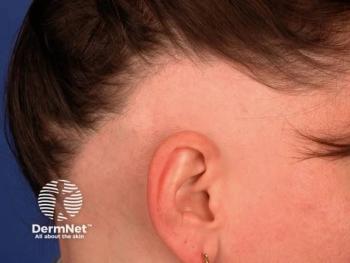
The FDA approval, based on 36-week data from the phase 3 BRAVE-AA-PEDS trial, extends baricitinib access to patients as young as 12 years old with severe alopecia areata.
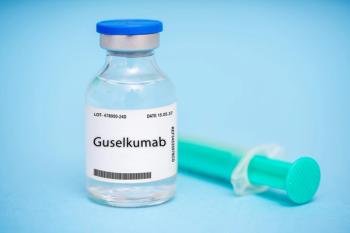
Guselkumab met primary and major secondary endpoints in the phase 4 STAR study, improving axial PsA symptoms and MRI-confirmed inflammation.
Find out what skin care products and aesthetic innovations clinicians are recommending to patients for the month of September.
Three experimental hair loss mechanisms are moving through late-stage trials for the first time in decades, and the data are worth knowing before patients ask.
Alexandra Charrow, MD, discussed biologic selection, deroofing, and emerging procedural approaches to hidradenitis suppurativa at Maui Derm NP+PA Fall 2026.

Week 28 data from the phase 2a EVERLAST-A trial showed PASI 100 responses increased to 71.4% despite no additional ORKA-001 dosing after week 4.
Advertisement
Advertisement
Trending on Dermatology Times
1
FDA Approves Baricitinib for Adolescents With Severe Alopecia Areata
2
Dr. Charrow Highlights Earlier Biologic Use and Deroofing in Hidradenitis Suppurativa
3
From Mechanism to Management: Navigating Male Pattern Hair Loss and New Topical Therapies
4
Tremfya Meets Primary, Major Secondary Endpoints in Phase 4 STAR Study of Axial PsA
5