


Opinion|Videos|July 7, 2026
CSU vs. Inducible Urticaria: Distinguishing Spontaneous from Triggered Disease
The panel explores how to differentiate CSU from chronic inducible urticaria and acute urticaria, including the potential for overlap between subtypes.
Advertisement
Episodes in this series
Dr. Chovatiya invites the panel to distinguish CSU from chronic inducible urticaria (CIndU) and acute urticaria. Dr. Hawkes explains that all chronic urticaria begins as acute urticaria that simply hasn't resolved, typically within one to two weeks in 80–90% of cases and most commonly in younger patients. The key differentiator for chronic urticaria is frequency: CSU patients have symptoms most days, whereas CIndU patients may have symptom-free gaps when they avoid their specific trigger. If a patient says their hives are "pretty much every day," that nearly always points to a spontaneous rather than inducible process. He also notes that approximately 30% of patients have an overlap of both spontaneous and inducible components, and in those cases, he focuses on identifying the predominant pattern.
Dr. Friedman adds an important caution: dermatographia (symptomatic dermographism) is the most common inducible urticaria, and he has seen clinicians miss a concurrent CSU diagnosis by attributing everything to the inducible trigger. Patients can—and do—have both. He recommends actively testing for inducible subtypes in the office by performing a dermographism scratch test (without breaking the skin), running a cold stimulus test, or having the patient do jumping jacks to check for cholinergic urticaria. The more inducible subtypes present alongside CSU, the harder the overall disease may be to treat. Knowing the full picture doesn't necessarily change the treatment ladder, but it informs prognosis and helps set expectations.
The panel weaves in a broader disease context: CSU is twice as common in women, and it is associated with an increased risk of autoimmune conditions. A patient with a personal or family history of celiac disease, lupus, or rheumatoid arthritis fits the CSU patient profile. Understanding this autoimmune backdrop helps move patients away from the frustrating search for a dietary or environmental cause, and toward a more useful framing: comorbid conditions run in parallel with CSU, but addressing one does not eliminate the other.
In the next episode, "Stepping Up Treatment: Antihistamines, Guidelines, and When to Escalate in CSU," the panel turns to treatment strategy—discussing appropriate antihistamine use, dose escalation, and when to move to advanced therapies.
Advertisement
Related to this article
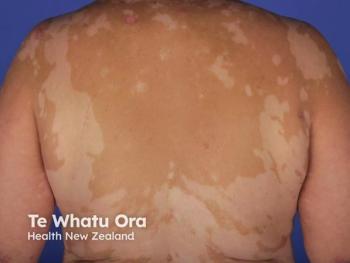
The FDA clearance allows Edesa to expand an ongoing placebo-controlled study of the CXCL10 antibody EB06 to US sites, with topline data expected in the fourth quarter of 2027.

The novel oral helicase-primase inhibitor demonstrated significantly higher rates of complete lesion healing compared with investigator’s choice treatment in the phase 3 PRIOH-1 trial.
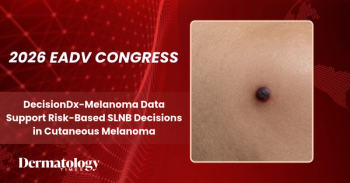
Prospective data suggest DecisionDx-Melanoma may help refine SLNB decisions and identify recurrence risk beyond conventional staging.

Falk G. Bechara, MD, discusses long-term tunnel control, structural damage, and the evolving role of biologics and surgery in HS care.
Galderma has agreed to acquire ZO Skin Health for $1.5 billion, adding the physician-dispensed skincare brand to a portfolio that already includes Cetaphil and Alastin.

New dermatology research explores hidden steroids in OTC products, infant eczema, melanoma prevention, cutaneous lymphoma, and pediatric AD.

SYX-5219 improved disease severity and itch in a Phase 1b trial of adults with moderate to severe atopic dermatitis.

In a survey of 301 employed adults, overall work impairment attributable to CHE was 31.8%, and quality of life worsened in step with self-reported disease severity.
Advertisement
Advertisement
Trending on Dermatology Times
1
FDA Approves Pritelivir for Refractory Mucocutaneous HSV in Immunocompromised Adults
2
GLP-1 Agonists Address Metabolic Risk in Psoriatic Disease
3
EB06 Phase 2 Vitiligo Study Receives FDA IND Clearance
4
EADV 2026 Atopic Dermatitis Highlights: Tilrekimig, RAC2 Inhibition, and Level Up Data
5