


Opinion|Videos|June 30, 2026
Diagnosing Vitiligo: A Comprehensive Clinical and Laboratory Evaluation
The panel turns to taking a thorough patient history, performing a complete physical exam, and ordering appropriate laboratory workup when evaluating a patient with vitiligo.
Advertisement
Episodes in this series
In this episode titled "Diagnosing Vitiligo: A Comprehensive Clinical and Laboratory Evaluation," moderator Nada Elbuluk, MD, MSc, FAAD and panelist Susan Taylor, MD, FAAD discuss the essential steps clinicians should take when evaluating a patient with vitiligo.
Dr. Taylor outlines a structured approach beginning with a thorough history, including age of onset, lesion location and progression, potential triggers such as stress or skin trauma, symptoms like pruritus or burning, and any concomitant autoimmune conditions including thyroid disease, diabetes, lupus, or arthritis. She also inquires about occupational chemical exposures that may cause depigmentation, hearing loss, family history of vitiligo or autoimmune disease, and — critically — the psychosocial impact of vitiligo on a scale of 0 to 10, including effects on work, school, and social activities.
For the physical examination, Dr. Taylor stresses the importance of having patients fully undress to assess total body surface area involvement, which directly informs treatment decisions. A complete skin exam — including genital and intergluteal areas — is essential for determining whether disease is localized or widespread. She also uses a Wood's lamp to detect subtle macules that may otherwise be missed, particularly in fair-skinned patients.
Laboratory investigations recommended include a complete metabolic panel, complete blood count, ANA, hemoglobin A1c, rheumatoid factor, and thyroid function tests including antibodies such as antithyroglobulin and TPO.
Dr. Elbuluk reinforces the value of dermoscopy as an additional tool for identifying signs of disease activity and other vitiligo markers. Both physicians emphasize that asking about psychosocial well-being is not only clinically important but helps build a therapeutic alliance and long-term trust with patients managing this chronic condition.
In the next episode, "Vitiligo Pathogenesis: How the JAK-STAT Pathway Drives Melanocyte Destruction," the conversation shifts to the immunological mechanisms underlying vitiligo and how understanding those mechanisms has transformed the therapeutic approach.
This video series is not sponsored, and has been produce independently by Dermatology Times.
Advertisement
Related to this article
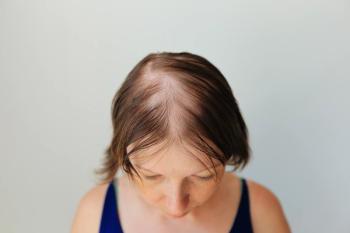
From emerging therapies to earlier intervention and psychosocial support, Dermatology Times looks back at key alopecia areata developments in 2026.

Put your dermatology expertise to the test with Dermatology Times’ interactive quiz series.
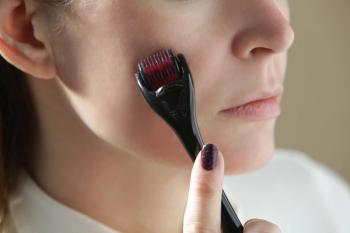
Can at-home dermarollers give the same results as in-office microneedling or is that just a myth? Read more about the latest social media trend and learn how to counsel your patients in the clinic.
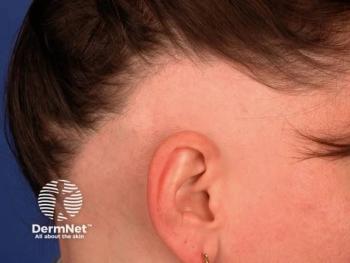
The FDA approval, based on 36-week data from the phase 3 BRAVE-AA-PEDS trial, extends baricitinib access to patients as young as 12 years old with severe alopecia areata.
Guselkumab met primary and major secondary endpoints in the phase 4 STAR study, improving axial PsA symptoms and MRI-confirmed inflammation.

Find out what skin care products and aesthetic innovations clinicians are recommending to patients for the month of September.
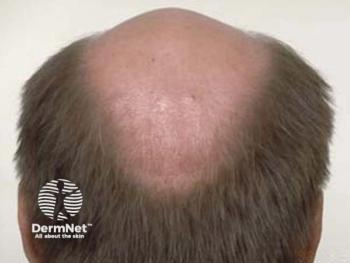
Three experimental hair loss mechanisms are moving through late-stage trials for the first time in decades, and the data are worth knowing before patients ask.
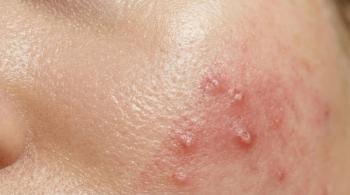
Alexandra Charrow, MD, discussed biologic selection, deroofing, and emerging procedural approaches to hidradenitis suppurativa at Maui Derm NP+PA Fall 2026.
Advertisement
Advertisement
Trending on Dermatology Times
1
FDA Approves Baricitinib for Adolescents With Severe Alopecia Areata
2
Tremfya Meets Primary, Major Secondary Endpoints in Phase 4 STAR Study of Axial PsA
3
Alopecia Areata Awareness Month: 2026 in Review
4
From Mechanism to Management: Navigating Male Pattern Hair Loss and New Topical Therapies
5