


Opinion|Videos|July 7, 2026
Active vs. Stable Vitiligo: Defining Disease Activity and Psychosocial Burden
In this episode titled "Active vs. Stable Vitiligo: Defining Disease Activity and Psychosocial Burden," moderator Nada Elbuluk, MD, MSc, FAAD and panelist Susan Taylor, MD, FAAD address the clinical distinction between active and stable vitiligo, as well as the significant psychological impact of the disease.
Advertisement
Episodes in this series
Segment summary: In this episode titled "Active vs. Stable Vitiligo: Defining Disease Activity and Psychosocial Burden," moderator Nada Elbuluk, MD, MSc, FAAD and panelist Susan Taylor, MD, FAAD address the clinical distinction between active and stable vitiligo, as well as the significant psychological impact of the disease.
Dr. Taylor describes active vitiligo as progressive and unstable, characterized by new or enlarging patches, confetti-like macules (1–5 mm), trichrome lesions displaying three distinct colors, Koebnerization (new lesions arising at sites of skin injury), and a red or pink border around existing patches. She uses a 3- to 12-month clinical window to assess activity, asking patients whether they have experienced any of these features. Stable disease, by contrast, is defined by the absence of new or enlarging lesions over 6 to 12 months.
This distinction is clinically meaningful, as it directly influences therapeutic selection — some interventions are appropriate only for stable disease, while active disease requires more urgent intervention. Dr. Elbuluk notes that emerging literature is helping to formalize and standardize these definitions for consistent clinical use.
The second half of the episode addresses the profound psychosocial burden of vitiligo. Research cited by Dr. Taylor demonstrates that patients with greater than 5% body surface area involvement, darker skin tones, or lesions on the face and hands experience the greatest psychological impact. Studies involving more than 300 vitiligo patients found that approximately half reported emotional or psychological effects, including low self-esteem, social isolation, anxiety, and a sense that others do not understand their experience.
Dr. Taylor also highlights two often-overlooked clinical strategies: referring patients to support groups such as the Global Vitiligo Foundation, and discussing camouflage options — including cover products and self-tanners — to improve quality of life while waiting for treatments to produce visible results. Dr. Elbuluk agrees that camouflage serves as an important bridge during the often lengthy repigmentation process.
In the next episode, "Shared Decision-Making and the Vitiligo Treatment Landscape," the panelists discuss how patient goals guide treatment selection, review the full spectrum of available therapies, and address the importance of stabilizing disease before pursuing repigmentation.
This video series is not sponsored, and has been produce independently by Dermatology Times.
Advertisement
Related to this article
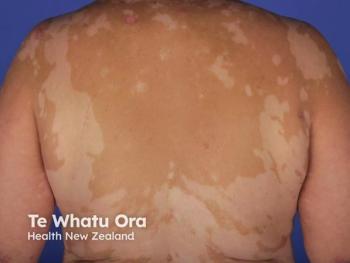
The FDA clearance allows Edesa to expand an ongoing placebo-controlled study of the CXCL10 antibody EB06 to US sites, with topline data expected in the fourth quarter of 2027.

The novel oral helicase-primase inhibitor demonstrated significantly higher rates of complete lesion healing compared with investigator’s choice treatment in the phase 3 PRIOH-1 trial.
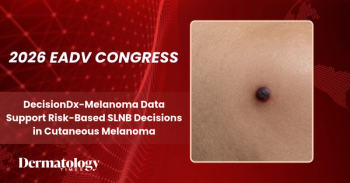
Prospective data suggest DecisionDx-Melanoma may help refine SLNB decisions and identify recurrence risk beyond conventional staging.

Falk G. Bechara, MD, discusses long-term tunnel control, structural damage, and the evolving role of biologics and surgery in HS care.
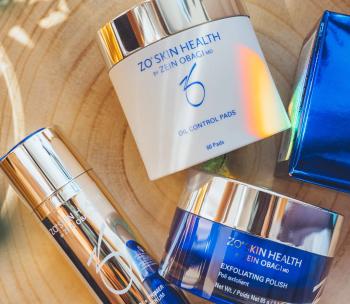
Galderma has agreed to acquire ZO Skin Health for $1.5 billion, adding the physician-dispensed skincare brand to a portfolio that already includes Cetaphil and Alastin.

New dermatology research explores hidden steroids in OTC products, infant eczema, melanoma prevention, cutaneous lymphoma, and pediatric AD.
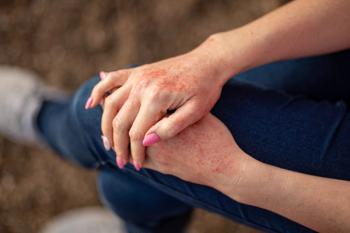
SYX-5219 improved disease severity and itch in a Phase 1b trial of adults with moderate to severe atopic dermatitis.

In a survey of 301 employed adults, overall work impairment attributable to CHE was 31.8%, and quality of life worsened in step with self-reported disease severity.
Advertisement
Advertisement
Trending on Dermatology Times
1
FDA Approves Pritelivir for Refractory Mucocutaneous HSV in Immunocompromised Adults
2
GLP-1 Agonists Address Metabolic Risk in Psoriatic Disease
3
EB06 Phase 2 Vitiligo Study Receives FDA IND Clearance
4
EADV 2026 Atopic Dermatitis Highlights: Tilrekimig, RAC2 Inhibition, and Level Up Data
5