


Opinion|Videos|July 7, 2026
Vitiligo Pathogenesis: How the JAK-STAT Pathway Drives Melanocyte Destruction
In this episode titled "Vitiligo Pathogenesis: How the JAK-STAT Pathway Drives Melanocyte Destruction," moderator Nada Elbuluk, MD, MSc, FAAD and panelist Susan Taylor, MD, FAAD explore the immunological underpinnings of vitiligo and how this understanding has revolutionized treatment thinking.
Advertisement
Episodes in this series
Segment summary: In this episode titled "Vitiligo Pathogenesis: How the JAK-STAT Pathway Drives Melanocyte Destruction," moderator Nada Elbuluk, MD, MSc, FAAD and panelist Susan Taylor, MD, FAAD explore the immunological underpinnings of vitiligo and how this understanding has revolutionized treatment thinking.
Dr. Elbuluk frames the discussion by noting that vitiligo is now well understood as a T-cell–mediated autoimmune disease, driven predominantly by cytotoxic CD8-positive T cells responsible for melanocyte destruction. She then invites Dr. Taylor to elaborate on how this mechanistic understanding shapes therapeutic approaches.
Dr. Taylor explains that vitiligo involves genetic susceptibility, environmental triggers, and activation of both the innate and adaptive immune systems, with oxidative stress playing a significant role. The central actors are CD8 cytotoxic T cells — referred to colorfully as "the assassins" — which destroy melanocytes through a cascade initiated by interferon-gamma (IFN-γ). IFN-γ activates the JAK-STAT signaling pathway, which in turn drives production of chemokines such as CXCL9 and CXCL10. These chemokines recruit additional T cells, perpetuate inflammation, and amplify melanocyte destruction in a self-reinforcing cycle.
The critical insight, Dr. Taylor explains, is that by identifying IFN-γ and JAK-STAT activation as central drivers of vitiligo, clinicians now have a rational, targeted therapeutic strategy: inhibiting the JAK-STAT pathway to interrupt the inflammatory cascade. This marks a major shift away from broad, nonspecific immunosuppression — such as topical or systemic corticosteroids, calcineurin inhibitors, and phototherapy — toward precise, mechanism-based intervention using both topical and systemic JAK inhibitors.
Dr. Elbuluk describes this as a true breakthrough for vitiligo — the emergence of targeted immune therapy after years of relying on nonspecific anti-inflammatory approaches.
In the next episode, "Active vs. Stable Vitiligo: Defining Disease Activity and Psychosocial Burden," the panelists explore how to classify vitiligo as active or stable, and examine the profound psychological toll the disease takes on patients.
This video series is not sponsored, and has been produce independently by Dermatology Times.
Advertisement
Related to this article
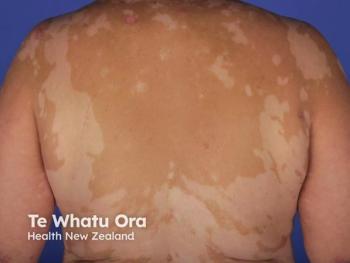
The FDA clearance allows Edesa to expand an ongoing placebo-controlled study of the CXCL10 antibody EB06 to US sites, with topline data expected in the fourth quarter of 2027.

The novel oral helicase-primase inhibitor demonstrated significantly higher rates of complete lesion healing compared with investigator’s choice treatment in the phase 3 PRIOH-1 trial.
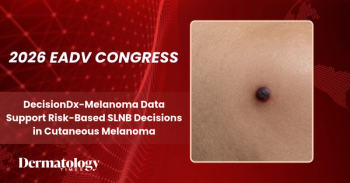
Prospective data suggest DecisionDx-Melanoma may help refine SLNB decisions and identify recurrence risk beyond conventional staging.

Falk G. Bechara, MD, discusses long-term tunnel control, structural damage, and the evolving role of biologics and surgery in HS care.

Galderma has agreed to acquire ZO Skin Health for $1.5 billion, adding the physician-dispensed skincare brand to a portfolio that already includes Cetaphil and Alastin.

New dermatology research explores hidden steroids in OTC products, infant eczema, melanoma prevention, cutaneous lymphoma, and pediatric AD.

SYX-5219 improved disease severity and itch in a Phase 1b trial of adults with moderate to severe atopic dermatitis.

In a survey of 301 employed adults, overall work impairment attributable to CHE was 31.8%, and quality of life worsened in step with self-reported disease severity.
Advertisement
Advertisement
Trending on Dermatology Times
1
FDA Approves Pritelivir for Refractory Mucocutaneous HSV in Immunocompromised Adults
2
GLP-1 Agonists Address Metabolic Risk in Psoriatic Disease
3
EB06 Phase 2 Vitiligo Study Receives FDA IND Clearance
4
EADV 2026 Atopic Dermatitis Highlights: Tilrekimig, RAC2 Inhibition, and Level Up Data
5