


Opinion|Videos|June 30, 2026
Understanding Corticosteroid Risks in Inflammatory Dermatoses
Author(s)Peter Lio, MD, Alexandra K. Golant, MD
In this episode, “Understanding Corticosteroid Risks in Inflammatory Dermatoses,” the expert faculty explore the key findings from a recent consensus paper evaluating the risks associated with topical and systemic corticosteroid therapy and the role of advanced targeted topical treatments in inflammatory skin diseases. The panel reviews the methodology behind the expert consensus process, including the comprehensive literature review and evidence-based approach used to develop recommendations for clinical practice.
Advertisement
Episodes in this series
In this episode, “Understanding Corticosteroid Risks in Inflammatory Dermatoses,” the expert faculty explore the key findings from a recent consensus paper evaluating the risks associated with topical and systemic corticosteroid therapy and the role of advanced targeted topical treatments in inflammatory skin diseases. The panel reviews the methodology behind the expert consensus process, including the comprehensive literature review and evidence-based approach used to develop recommendations for clinical practice.
Throughout the discussion, the faculty examine the broad range of cutaneous and systemic adverse events associated with corticosteroid use, emphasizing that risks extend beyond the skin. Topics include skin atrophy, striae, telangiectasias, acneiform eruptions, infection risk, adrenal suppression, Cushing syndrome, avascular necrosis, and the multi-organ consequences of systemic corticosteroid exposure. The panel highlights the importance of evaluating cumulative steroid burden, recognizing that patients may receive corticosteroids from multiple healthcare providers and across different routes of administration.
The discussion also focuses on practical considerations for corticosteroid stewardship, including patient counseling, monitoring, and understanding patterns of long-term use. Faculty members share perspectives on how growing awareness of corticosteroid-related risks, combined with advances in targeted nonsteroidal therapies, has influenced their treatment decisions. They discuss how improved efficacy, tolerability, and safety profiles have lowered the threshold for incorporating steroid-sparing therapies earlier in the treatment journey. Finally, the panel examines strategies for simplifying treatment regimens, reducing patient confusion, and utilizing corticosteroids as rescue therapies within a broader long-term management approach for inflammatory dermatoses.
The next episode in this series, “Reducing Treatment Burden in Inflammatory Dermatoses,” features the panelists discussing whether chronic topical corticosteroid therapy remains an appropriate long-term management strategy for inflammatory dermatoses. The faculty examine guideline recommendations, long-term safety considerations, and the evolving role of corticosteroids within modern treatment paradigms.
Advertisement
Related to this article
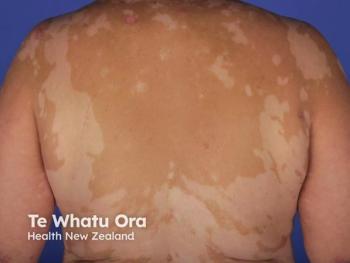
The FDA clearance allows Edesa to expand an ongoing placebo-controlled study of the CXCL10 antibody EB06 to US sites, with topline data expected in the fourth quarter of 2027.

The novel oral helicase-primase inhibitor demonstrated significantly higher rates of complete lesion healing compared with investigator’s choice treatment in the phase 3 PRIOH-1 trial.
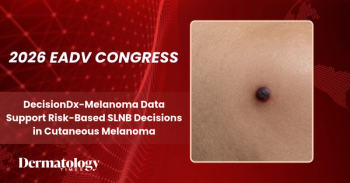
Prospective data suggest DecisionDx-Melanoma may help refine SLNB decisions and identify recurrence risk beyond conventional staging.

Falk G. Bechara, MD, discusses long-term tunnel control, structural damage, and the evolving role of biologics and surgery in HS care.

Galderma has agreed to acquire ZO Skin Health for $1.5 billion, adding the physician-dispensed skincare brand to a portfolio that already includes Cetaphil and Alastin.

New dermatology research explores hidden steroids in OTC products, infant eczema, melanoma prevention, cutaneous lymphoma, and pediatric AD.

SYX-5219 improved disease severity and itch in a Phase 1b trial of adults with moderate to severe atopic dermatitis.

In a survey of 301 employed adults, overall work impairment attributable to CHE was 31.8%, and quality of life worsened in step with self-reported disease severity.
Advertisement
Advertisement
Trending on Dermatology Times
1
FDA Approves Pritelivir for Refractory Mucocutaneous HSV in Immunocompromised Adults
2
GLP-1 Agonists Address Metabolic Risk in Psoriatic Disease
3
EB06 Phase 2 Vitiligo Study Receives FDA IND Clearance
4
EADV 2026 Atopic Dermatitis Highlights: Tilrekimig, RAC2 Inhibition, and Level Up Data
5