


Opinion|Videos|August 28, 2026
Why One Foam Works for Scalp and Body Psoriasis
Author(s)Tina Bhutani-Jacques, MD
In this segment, Dr. Tina Bhutani-Jacques expands on the rationale for selecting roflumilast 0.3% foam for a patient with plaque psoriasis affecting both the scalp and body.
Advertisement
Episodes in this series
In this segment, Dr. Tina Bhutani-Jacques expands on the rationale for selecting roflumilast 0.3% foam for a patient with plaque psoriasis affecting both the scalp and body. She explains that one of the patient's greatest challenges was managing multiple topical therapies for different body sites, resulting in confusion, inconsistent adherence, and ongoing disease burden. Dr. Bhutani-Jacques emphasizes that the availability of a single, once-daily foam approved for use on both the scalp and body simplifies treatment, improves convenience, and addresses many of the practical barriers that commonly limit adherence in clinical practice.
Dr. Bhutani-Jacques also discusses the importance of identifying the underlying reasons for poor adherence before changing therapy. She encourages clinicians to explore whether patients struggled because of cosmetic concerns, difficulty remembering multiple medications, dissatisfaction with treatment efficacy, or challenges related to vehicle formulation. By understanding these barriers, clinicians can better individualize treatment and select therapies that align with each patient's preferences and lifestyle. She notes that simplifying the treatment regimen can significantly improve adherence and ultimately lead to better long-term disease control.
The discussion concludes with practical guidance on monitoring patients after initiating a nonsteroidal topical therapy. Dr. Bhutani-Jacques recommends close follow-up at approximately three and six months to assess treatment response, adherence, and any ongoing concerns before extending visit intervals for patients with well-controlled disease. She also emphasizes that patients who continue to have inadequate disease control, poor adherence despite optimized topical therapy, or extensive disease involving high-impact areas should be reevaluated for escalation to systemic therapy. This patient-centered approach highlights the importance of ongoing assessment and individualized treatment planning to optimize outcomes in plaque psoriasis.
In the next episode, "Case 3: Redefining How We Classify Psoriasis Severity," Dr. Bhutani-Jacques turns to Case 3, a patient with limited but stubborn psoriasis who's determined to avoid topical steroids altogether - prompting a look at how severity itself gets defined.
Advertisement
Related to this article
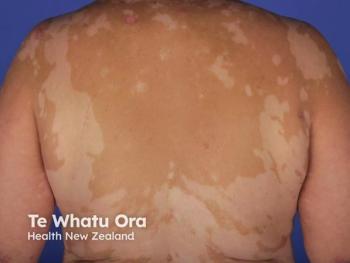
The FDA clearance allows Edesa to expand an ongoing placebo-controlled study of the CXCL10 antibody EB06 to US sites, with topline data expected in the fourth quarter of 2027.

The novel oral helicase-primase inhibitor demonstrated significantly higher rates of complete lesion healing compared with investigator’s choice treatment in the phase 3 PRIOH-1 trial.
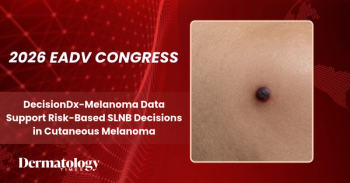
Prospective data suggest DecisionDx-Melanoma may help refine SLNB decisions and identify recurrence risk beyond conventional staging.

Falk G. Bechara, MD, discusses long-term tunnel control, structural damage, and the evolving role of biologics and surgery in HS care.
Galderma has agreed to acquire ZO Skin Health for $1.5 billion, adding the physician-dispensed skincare brand to a portfolio that already includes Cetaphil and Alastin.

New dermatology research explores hidden steroids in OTC products, infant eczema, melanoma prevention, cutaneous lymphoma, and pediatric AD.

SYX-5219 improved disease severity and itch in a Phase 1b trial of adults with moderate to severe atopic dermatitis.

In a survey of 301 employed adults, overall work impairment attributable to CHE was 31.8%, and quality of life worsened in step with self-reported disease severity.
Advertisement
Advertisement
Trending on Dermatology Times
1
FDA Approves Pritelivir for Refractory Mucocutaneous HSV in Immunocompromised Adults
2
GLP-1 Agonists Address Metabolic Risk in Psoriatic Disease
3
EB06 Phase 2 Vitiligo Study Receives FDA IND Clearance
4
EADV 2026 Atopic Dermatitis Highlights: Tilrekimig, RAC2 Inhibition, and Level Up Data
5