


Opinion|Videos|July 21, 2026
JAK Inhibitors in Vitiligo: Mechanism, Efficacy, and Durability
In this episode titled "JAK Inhibitors in Vitiligo: Mechanism, Efficacy, and Durability," moderator Nada Elbuluk, MD, MSc, FAAD and panelist Susan Taylor, MD, FAAD explore the scientific rationale for JAK inhibitor therapy and review clinical evidence for the first FDA-approved topical agent in this class.
Advertisement
Episodes in this series
Segment summary: In this episode titled "JAK Inhibitors in Vitiligo: Mechanism, Efficacy, and Durability," moderator Nada Elbuluk, MD, MSc, FAAD and panelist Susan Taylor, MD, FAAD explore the scientific rationale for JAK inhibitor therapy and review clinical evidence for the first FDA-approved topical agent in this class.
Dr. Taylor contextualizes the development of JAK inhibitors by noting that, as with psoriasis, atopic dermatitis, alopecia areata, and hidradenitis suppurativa, advances in understanding vitiligo's disease mechanism have enabled targeted therapy. She explains how CD8 T cells produce IFN-γ, which activates the JAK-STAT pathway, generating chemokines CXCL9 and CXCL10 that recruit additional T cells, leading to further inflammation and ultimately targeted melanocyte destruction. Interrupting this cascade with JAK inhibitors can halt disease progression, stabilize depigmentation, and allow melanocytes to recover and produce pigment.
Turning to the first topical JAK inhibitor to receive FDA approval, ruxolitinib, Dr. Taylor reviews its pivotal clinical trials, which demonstrated repigmentation in both facial and total body areas at 24 weeks. Longer-term data indicate that approximately 70% of patients who continue treatment maintain their pigmentation at one year, compared to about 40% among those who discontinue. Approximately 30% of patients who stopped treatment experienced relapse; however, among those who restarted, up to 75% achieved re-pigmentation.
Dr. Elbuluk reflects that it has been roughly four years since approval, calling the availability of a non-steroidal FDA-approved topical option with reliable clinical trial results a remarkable advance. Both physicians note that maintenance therapy and optimal dosing strategies are still being refined, and that longer-term data will be crucial for understanding durability.
The episode concludes with a discussion of the safety profile of the topical agent, which was favorable — with manageable adverse events including upper respiratory tract infections, nasopharyngitis, acne, and headache. The known cardiovascular, malignancy, and serious infection risks observed in older rheumatoid arthritis patients receiving systemic JAK inhibitors are noted as less concerning in vitiligo populations, given topical use and a younger, healthier patient demographic.
In the next episode, "Systemic JAK Inhibitors for Vitiligo: Emerging Clinical Trial Data and Safety Considerations," the focus shifts to the pipeline of oral JAK inhibitors under investigation, reviewing efficacy data and the reassuring safety profile seen so far in vitiligo populations.
This video series is not sponsored, and has been produce independently by Dermatology Times.
Advertisement
Related to this article

LEO Pharma has closed its acquisition of dersimelagon from Tanabe Pharma after the FDA accepted the drug's NDA for filing and granted Priority Review, with a PDUFA date expected by the end of February 2027.
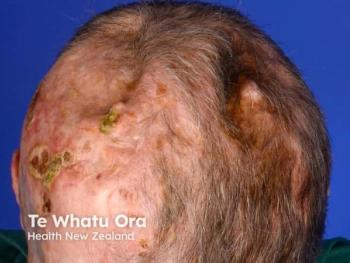
Sol-Gel Technologies has completed patient follow-up in its pivotal phase 3 trial of SGT-610 (patidegib gel, 2%) for Gorlin syndrome, with top-line results expected in late November 2026.
Two small clinical studies evaluated skincare and dermabrasion for changes in skin quality among individuals taking medical weight loss medications.

Two-year POETYK PsA-2 data showed sustained ACR and minimal disease activity responses with deucravacitinib and no new safety signals.

Faculty from the Cutaneous Oncology Workshop answer practical questions spanning skin cancer prevention, diagnosis, treatment, and follow-up.
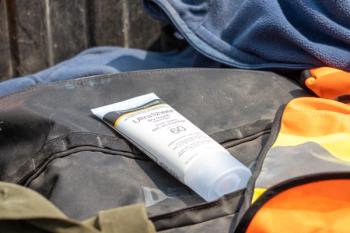
Two new Neutrogena facial sunscreens incorporate bemotrizinol, the first new sunscreen active ingredient added to the US OTC monograph in decades.
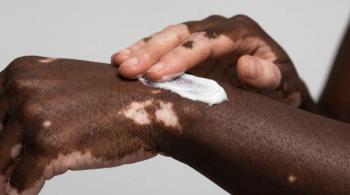
Longer treatment duration was independently associated with VASI improvement, while publicly insured patients experienced higher topical JAK inhibitor denial rates.

Though convenient, SPF-infused cosmetics rarely deliver their labeled protection level in real-world use, underscoring the continued need for a dedicated broad-spectrum sunscreen as the foundation of any routine.
Advertisement
Advertisement
Trending on Dermatology Times
1
Clascoterone 5% Topical Solution Shows Long-Term Promise for Male Pattern Hair Loss
2
Neutrogena Launches New Sunscreens With Newly Permitted UV Filter Bemotrizinol
3
Dersimelagon NDA Accepted by FDA with Priority Review for EPP, XLP
4
Patidegib Gel Completes Phase 3 Follow-Up in Gorlin Syndrome
5