


Opinion|Videos|July 28, 2026
The Future of Vitiligo Care: Patient Selection, Treatment Access, and the Road Ahead
In this episode titled "The Future of Vitiligo Care: Patient Selection, Treatment Access, and the Road Ahead," moderator Nada Elbuluk, MD, MSc, FAAD and panelist Susan Taylor, MD, FAAD offer a forward-looking discussion on incorporating systemic JAK inhibitors into clinical practice, individualizing patient selection, and ensuring equitable access to emerging therapies.
Advertisement
Episodes in this series
Segment summary: In this episode titled "The Future of Vitiligo Care: Patient Selection, Treatment Access, and the Road Ahead," moderator Nada Elbuluk, MD, MSc, FAAD and panelist Susan Taylor, MD, FAAD offer a forward-looking discussion on incorporating systemic JAK inhibitors into clinical practice, individualizing patient selection, and ensuring equitable access to emerging therapies.
Dr. Taylor outlines the key factors that will guide clinicians in determining when systemic JAK inhibitors are appropriate. She places patient goals at the center of the decision — specifically, what concerns patients most and what they are most committed to addressing. Disease extent is the second consideration: localized disease may be adequately managed with topical therapy, while widespread generalized vitiligo may warrant systemic intervention. Risk-benefit assessment, including evaluation of cardiovascular risk factors, smoking status, history of thromboembolic disease, and prior malignancy, rounds out the framework.
Importantly, Dr. Taylor notes that psychosocial burden alone can justify systemic therapy, even in patients with relatively limited disease. A patient whose vitiligo is causing significant anxiety, depression, social withdrawal, or occupational impact may benefit from systemic JAK therapy regardless of the extent of their skin involvement.
Dr. Elbuluk highlights an additional and critical role for systemic JAK inhibitors: disease stabilization. She expresses hope that these agents will replace the systemic corticosteroids previously used for rapid disease arrest, sparing patients the adverse effects of long-term steroid use, including diabetes, hypertension, weight gain, and immunosuppression. Dr. Taylor underscores that stabilizing disease — preventing new lesions and halting enlargement of existing patches — must remain the first priority in treatment planning for any patient with active vitiligo.
Dr. Elbuluk closes the series by calling attention to the urgent need for insurance coverage and patient access to these emerging treatments. She emphasizes that advocacy efforts must continue to ensure all eligible patients — regardless of payer status — can benefit from these advances. Both physicians express optimism about the future of vitiligo care, calling this one of the most exciting periods in the field.
Thank you for watching this Dermatology Times DermView series on vitiligo. Please subscribe to our enewsletter for information on upcoming video series
This video series is not sponsored, and has been produce independently by Dermatology Times.
Advertisement
Related to this article

LEO Pharma has closed its acquisition of dersimelagon from Tanabe Pharma after the FDA accepted the drug's NDA for filing and granted Priority Review, with a PDUFA date expected by the end of February 2027.

Sol-Gel Technologies has completed patient follow-up in its pivotal phase 3 trial of SGT-610 (patidegib gel, 2%) for Gorlin syndrome, with top-line results expected in late November 2026.

Two small clinical studies evaluated skincare and dermabrasion for changes in skin quality among individuals taking medical weight loss medications.

Two-year POETYK PsA-2 data showed sustained ACR and minimal disease activity responses with deucravacitinib and no new safety signals.

Faculty from the Cutaneous Oncology Workshop answer practical questions spanning skin cancer prevention, diagnosis, treatment, and follow-up.
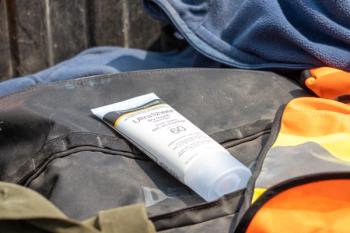
Two new Neutrogena facial sunscreens incorporate bemotrizinol, the first new sunscreen active ingredient added to the US OTC monograph in decades.

Longer treatment duration was independently associated with VASI improvement, while publicly insured patients experienced higher topical JAK inhibitor denial rates.

Though convenient, SPF-infused cosmetics rarely deliver their labeled protection level in real-world use, underscoring the continued need for a dedicated broad-spectrum sunscreen as the foundation of any routine.
Advertisement
Advertisement
Trending on Dermatology Times
1
Clascoterone 5% Topical Solution Shows Long-Term Promise for Male Pattern Hair Loss
2
Neutrogena Launches New Sunscreens With Newly Permitted UV Filter Bemotrizinol
3
Dersimelagon NDA Accepted by FDA with Priority Review for EPP, XLP
4
Patidegib Gel Completes Phase 3 Follow-Up in Gorlin Syndrome
5