Now Playing
The panel reflects on dermatology's evolving role in CSU, from limited options and reluctance to a new era of empowered, effective disease management.
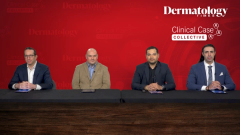
Welcome back to another Dermatology Times Clinical Case Collective series. In this episode titled "Dermatology's Expanding Role in Diagnosing and Managing CSU," moderator Raj Chovatiya, MD, PhD, MSCI, FAAD discusses chronic spontaneous urticaria with Adam Friedman, MD, FAAD; David Cotter, MD, PhD; Jason Hawkes, MD, MS, FAAD; and Michelle Tarbox, MD.
Dr. Chovatiya opens the series by introducing the overarching goal: to explore the evolving landscape of chronic spontaneous urticaria (CSU) through three real-world patient cases, touching on diagnosis, terminology, initial management, and advanced targeted therapies. He frames the discussion as a practical guide to help dermatologists feel confident diagnosing, managing, and taking long-term ownership of CSU in their own practices.
The panelists reflect on how dermatology's relationship with CSU has shifted dramatically. Dr. Friedman notes that for a long time, dermatologists shied away from CSU because effective treatments were limited—high-dose antihistamines only helped about half of patients, and earlier biologic options came with their own complexities. Now, with the arrival of clearly FDA-approved, approachable therapies, dermatology is reclaiming ownership of these patients.
Dr. Tarbox shares a personal anecdote: CSU patients kept finding their way into her derm clinic—partly through a referral mix-up—and she had to quickly learn how to manage the condition. She credits the new therapeutic landscape for making CSU care in dermatology practical and far less anxiety-provoking than it once was.
Dr. Hawkes highlights how the field went from variable, inconsistent approaches—ordering thyroid tests, running unrelated panels—to a more focused, management-oriented mindset once effective therapies arrived. He stresses that CSU, while serious in its quality-of-life impact, is not more difficult to manage than other complex dermatologic conditions like hidradenitis suppurativa or immunobullous diseases.
Dr. Cotter closes with a call to action: dermatologists should feel empowered to treat CSU patients without delay. These patients have already waited too long, and with highly effective, safe systemic options now available, there is no reason to defer their care.
In the next episode, "A Classic CSU Case: Diagnosing Chronic Spontaneous Urticaria," the panel reviews the first patient case—a 38-year-old woman with recurrent hives and intermittent swelling—highlighting the key clinical criteria that clinch a CSU diagnosis.