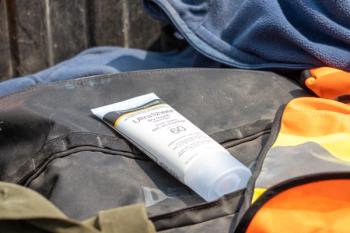
Two new Neutrogena facial sunscreens incorporate bemotrizinol, the first new sunscreen active ingredient added to the US OTC monograph in decades.
Christopher Bunick, MD, PhD, emphasizes how dermatologists can improve outcomes through vigilant skin exams and collaborative care with oncology teams.
During Breast Cancer Awareness Month, Dermatology Times editor-in-chief Christopher Bunick, MD, PhD, associate professor of dermatology at Yale School of Medicine, discussed the integral role dermatologists play in the multidisciplinary management of breast cancer. While oncology, surgery, and radiology are central to treatment, dermatology also occupies a critical position in both early detection and ongoing patient support.
As part of its commitment to comprehensive care, the Dermatology Times
According to Bunick, dermatologists are uniquely positioned to identify and manage a variety of cutaneous manifestations related to breast cancer and its therapies. Routine full-body skin examinations should include the chest, surgical scars, and areas affected by radiation or reconstructive procedures. Early recognition of treatment-related skin conditions—such as radiation dermatitis, drug-induced rashes, or lymphedema-associated changes—can prevent complications and improve quality of life.
Beyond the physical manifestations, Bunick emphasized the psychosocial dimension of dermatologic care. Many breast cancer survivors experience changes in skin texture, pigmentation, or scarring after surgery, radiation, or chemotherapy. Addressing these aesthetic and emotional concerns is essential to holistic recovery. Dermatologic interventions such as laser therapy, scar revision, and cosmetic consultation can help restore confidence and self-image.
Bunick’s initiative to highlight dermatology’s role during Breast Cancer Awareness Month underscores a broader shift toward multidisciplinary, patient-centered care. “Dermatologists are part of the breast cancer care team,” he noted.
While October serves as an important reminder of the fight against breast cancer, awareness and advocacy must continue year-round. The dermatology community plays a vital role not only during Breast Cancer Awareness Month, but every day, by recognizing skin-related manifestations, supporting survivorship, and collaborating with oncology colleagues to improve patient outcomes. Sustained education, research, and compassion ensure that the message of early detection, comprehensive care, and hope extends far beyond a single month—reinforcing that breast cancer awareness is a lifelong commitment to patients and their well-being.
11 months ago
Cosmetic Trends of Dermatologic Interest in 202511 months ago
Identifying Breast Issues Beyond the Skin