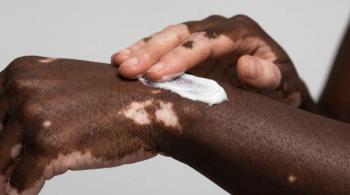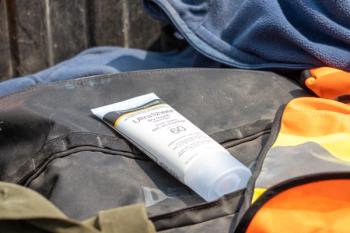
Two new Neutrogena facial sunscreens incorporate bemotrizinol, the first new sunscreen active ingredient added to the US OTC monograph in decades.
Dermatologists play a vital role in identifying breast cancer symptoms, bridging gaps in care for conditions like Paget disease and inflammatory breast cancer.
There is a great deal of overlap between some of the breast issues that breast surgeons treat and the world of dermatology. Patients may think that they have a skin issue and initially present to their dermatologist. By staying aware of these presentations, dermatologists can play a critical role in bridging the gap between dermatology and breast oncology, ensuring patients receive the right care pathway from the start.
Paget disease is a rare form of breast cancer that may result in a scaly or flaking appearance to the nipple and/or areola. The incidence is less than 3%. Often, patients present to a breast surgeon after being treated with a course of steroids for dermatitis. Typically, women who have this are postmenopausal. A punch biopsy should be performed; however, a wedge resection can be performed in the operating room if the punch biopsy is nondiagnostic.
Paget disease is poorly understood. Often, there is disease elsewhere in the breast. Controversy lies in whether this process begins in the skin or the breast glandular tissue. Diagnostic workup includes a bilateral diagnostic mammogram with ultrasound. MRI is also indicated to rule out any mammographically occult disease. More than 50% of patients have an underlying disease in the breast; therefore, imaging is prudent. Surgical treatment for this disease involves a mastectomy or central lumpectomy. Axillary nodal staging is considered for patients, as more than half may be found to have invasive cancer on final surgical pathology.1
Inflammatory breast cancer is an aggressive form of cancer that typically presents as a painless swelling of the breast, affecting less than 5% of women. The affected breast will feel heavy and classically demonstrate pitting edema or an orange peel (peau d’orange) appearance. Patients present to breast surgeons after being treated for mastitis. Women are usually in their early 50s or younger. Diagnosis includes a bilateral diagnostic mammogram and ultrasound. If a discrete mass or target is not seen for tissue biopsy, patients usually already have disease in their lymph nodes at the time of presentation. If a mass is not found in the breast on diagnostic imaging, nodal biopsy may give us the information we need (ie, type of cancer and receptor status) to treat the cancer. A punch biopsy is sometimes helpful if no target is noted, for biopsy and a tissue sample is needed to determine the type of breast cancer, but there can be sampling error. Standard-of-care treatment includes chemotherapy, modified radical mastectomy (ie, removal of breast and axillary lymph nodes), followed by radiation. Patients are offered delayed reconstruction, though some centers are considering immediate reconstruction in patients who have a good clinical response to chemotherapy. If undertreated, the cancer can recur quickly.2
CNGM and GM both result from granulomas that form due to an aggressive immune response in the breast. Both processes affect women who are of breastfeeding age. Fistula tracks to the skin can develop in more advanced disease.3
CNGM is associated with Corynebacterium (most commonly the kroppenstedtii species). Corynebacterium flourishes at a basic pH and needs a lipid-rich environment to grow. It is commensalistic with Staphylococcus epidermidis and Propionibacterium acnes. This disease process is poorly understood, and many clinicians are unaware of this entity. Unfortunately, as a result, many women present after having been treated with multiple antibiotics. Corynebacteria are very difficult to isolate in culture. It should be grown on a blood agar medium, and Tween can be used to help with growth. Unfortunately, many institutions do not have access to Tween.
Ultrasound is an important imaging modality, as fluid collections can be identified and drained for culture. With repeated instrumentation, the bacteria can spread. Thus, surgical debridement is not the mainstay of treatment. Under ultrasound, small cystic lesions with a halo appearance are noted. Biopsy reveals a neutrophilic infiltrate, and sometimes organisms can be seen. Imaging can resemble cancer in more advanced or aggressive cases; thus, diagnostic imaging and biopsy are essential. Ideally, isolation by culture is important to determine antibiotic sensitivity. Typically, penicillin and doxycycline are the antibiotics of choice. Other effective oral antibiotics include sulfamethoxazole and trimethoprim (Bactrim) and clarithromycin.
Resistance can develop quickly with delays in diagnosis. Steroids and meloxicam can be used in combination with antibiotics and will help quell the immune response.3,4
GM is considered autoimmune and demonstrates more of a lymphocytic infiltrate under the microscope. Again, this process can mimic the appearance of cancer on imaging. A biopsy can help guide the treatment. Some patients will have spontaneous resolution.
Unfortunately, many patients require aggressive steroids or stronger immunosuppressive agents to quiesce the disease process. Intralesional steroids are considered for this, and there has been some success. Before consideration of intralesional injection, it is important to make sure that there are no concerns for CNGM, as the bacteria can spread with instrumentation.3,4
Maintaining vigilance for breast conditions that may initially mimic dermatologic disease is essential for dermatologists. Paget disease, inflammatory breast cancer, and GM can all present with skin-related findings that prompt patients to seek dermatologic care first. By recognizing these atypical presentations, dermatologists not only prevent delays in diagnosis but also facilitate timely referral and multidisciplinary collaboration, ultimately improving patient outcomes in conditions where early intervention is critical.
Roshani Patel, MD, FACS, is the medical director of breast surgery at Hackensack Meridian Jersey Shore University Medical Center.
11 months ago
Cosmetic Trends of Dermatologic Interest in 2025