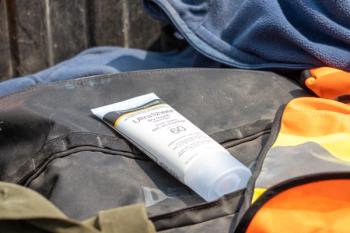
Two new Neutrogena facial sunscreens incorporate bemotrizinol, the first new sunscreen active ingredient added to the US OTC monograph in decades.
Dermatologists enhance breast cancer care by managing skin issues, identifying genetic risks, and improving patient quality of life during treatment.
October marks Breast Cancer Awareness Month, a time to emphasize prevention, early detection, and survivorship care. While oncologists lead treatment, dermatologists play a vital yet underrecognized role in comprehensive breast cancer care. Breast cancer frequently presents with cutaneous manifestations, whether from direct tumor involvement, treatment-related effects, or associated genetic syndromes.1 From identifying genetic risk markers to managing treatment-related skin toxicities and addressing psychosocial concerns, dermatologists significantly impact patient outcomes and quality of life throughout the cancer journey.
Several genetic mutations link breast cancer and dermatologic conditions, creating opportunities for early detection in dermatology practices. BRCA2 mutations increase risk for both breast cancer and melanoma, whereas PTEN mutations cause Cowden syndrome, characterized by distinctive mucocutaneous lesions including trichilemmomas, oral papillomas, and acral keratoses.2,3
Dermatologists may be the first to identify these sentinel skin findings. Recognizing atypical nevi patterns in BRCA2 carriers or the pathognomonic features of Cowden syndrome can prompt genetic counseling and enhanced cancer surveillance. Incorporating targeted questions about family cancer history during the evaluation of suspicious skin lesions can facilitate earlier breast cancer detection and prevention strategies.
Radiation therapy, a cornerstone of breast cancer treatment, frequently causes both acute and chronic cutaneous complications.4 Understanding the timeline and management of these changes is essential:
Acute changes (weeks 1-6):
Chronic changes (months to years):
Management strategies include prophylactic moisturizers, gentle cleansing routines, and topical corticosteroids for inflammatory phases. For chronic fibrosis, early intervention with physical therapy and consideration of pentoxifylline or vitamin E may improve outcomes. Telangiectasias respond well to pulsed dye laser treatment when cosmetically concerning.
Modern breast cancer treatments, although increasingly effective, carry distinct dermatologic adverse effect profiles that require proactive management5,6:
HER2-targeted therapies (trastuzumab, pertuzumab):
CDK4/6 inhibitors (palbociclib, ribociclib):
Immune checkpoint inhibitors (pembrolizumab, atezolizumab):
Early recognition and treatment of these toxicities prevent unnecessary dose reductions or treatment discontinuation. Establishing collaborative relationships with oncology teams ensures optimal management while maintaining therapeutic efficacy.
Breast cancer survivors face elevated melanoma risk due to multiple factors, including genetic predisposition, treatment-related immunosuppression, and increased medical surveillance leading to detection bias.5 This risk necessitates enhanced skin cancer screening protocols, such as the following:
Consider more frequent screening (every 6 months) for high-risk patients, including those with BRCA mutations, extensive sun damage, or a personal history of skin cancer.
The visible effects of breast cancer treatment (ie, scarring, alopecia, and pigmentary changes) profoundly impact self-image and quality of life.7 Dermatologists can offer both medical and procedural interventions, including the following:
For surgical scars:
For chemotherapy-induced alopecia:
For pigmentary changes:
Insurance coverage varies significantly for these interventions. Documenting functional impairment and psychological distress can support coverage appeals.
Dermatology clinics can serve as important touchpoints for breast cancer education and screening. Consider implementing the following practice enhancements:
Clinical protocols:
Patient education:
Collaborative care:
During Breast Cancer Awareness Month and beyond, dermatologists have unique opportunities to impact breast cancer outcomes. Our expertise in recognizing genetic syndromes, managing treatment-related skin toxicities, and addressing cosmetic concerns positions us as essential members of the multidisciplinary cancer care team.
By integrating breast cancer awareness into routine dermatologic practice, from genetic risk assessment to survivorship care, we can contribute to earlier detection, improved treatment tolerance, and enhanced quality of life for patients. Let’s commit to making comprehensive skin health assessment as routine as mammography screening for breast cancer survivors, bridging the gap between dermatology and oncology to deliver truly integrated cancer care.
Hossein Akbarialiabad, MD, MSc, HMBA, is a transitional year resident physician at Washington University/BJC in St. Louis, Missouri, and a former research fellow at the University of Utah. His research interests focus on clinical dermatology and digital health innovation.
11 months ago
Cosmetic Trends of Dermatologic Interest in 202511 months ago
Identifying Breast Issues Beyond the Skin