Two-year oral IL-23 data, GLP-1 biomarker findings, and a nonsurgical option for superficial basal cell carcinoma headline the sessions covered in Las Vegas.
At AAD 2026, Helen He, MD, highlights how minimally invasive molecular profiling distinguishes photoexposed and photoprotected aging trajectories.
At the
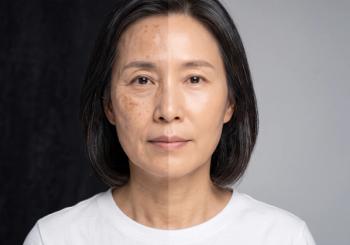
He, a dermatologist, assistant professor in the Kimberly and Eric J. Waldman Department of Dermatology at Mount Sinai, director of lasers and cosmetic surgery, and co-director of Mount Sinai-Clinique Healthy Skin Dermatology Center, and colleagues utilized tape strip sampling to characterize transcriptomic changes across photoexposed and photoprotected skin. A key finding was the divergence in aging pathways based on anatomic site and UV exposure. Photoexposed areas, such as the face, exhibited increased upregulation of genes associated with melanogenesis and hyperpigmentation. In contrast, photoprotected sites, such as the inner arm, showed more pronounced acceleration of barrier dysfunction pathways with age. These findings reinforce the need for site-specific preventive strategies, including photoprotection for exposed areas and barrier-supportive interventions for covered skin.
“Photo-exposed skin like the face shows much higher upregulation in markers of hyperpigmentation and melanogenesis,” He said.
Importantly, the data highlighted that molecular changes associated with aging begin earlier than clinically appreciated. UV-induced gene signatures were observed to increase as early as the fourth and fifth decades of life, supporting the concept that intervention should begin prior to the onset of visible aging. He emphasized that early adoption of photoprotective measures and antioxidant use may mitigate downstream molecular damage.
Another central theme of the presentation was the heterogeneity of skin aging. Variability in inflammatory signaling and barrier-related gene expression was observed across race and gender, underscoring that aging is not a uniform biological process. These findings support a shift toward individualized, evidence-based anti-aging strategies tailored to patient-specific molecular profiles.
Beyond intrinsic aging, He also highlighted ongoing work in inflammatory hair disease, particularly alopecia areata. She referenced the recent publication of a comprehensive single-cell atlas of the human scalp in moderate to severe disease, which provides insight into immune and follicular cell interactions.2 This work may inform emerging therapeutic targets and offers a framework for correlating molecular findings with clinical trial outcomes. Of particular interest is the potential role of GLP-1 receptor signaling in inflammatory hair disorders, an area of growing investigation.
Complementing these efforts, He described ongoing studies evaluating molecular changes before and after cosmetic interventions, including laser therapies. By profiling biomarker shifts associated with esthetic procedures, this research aims to determine whether such interventions can modulate hallmarks of aging at a molecular level.
Collectively, these data position tape strip–based molecular profiling as a scalable, minimally invasive approach to advancing precision dermatology, with implications spanning aging, inflammation, and therapeutic development.
References