


The episode underscores the clinical value of listening to patient advocates who bring firsthand understanding of disease impact.
The episode underscores the clinical value of listening to patient advocates who bring firsthand understanding of disease impact.

Andrew Mastro, MS, PA-C, moderated a recent Dermatology Times Case-Based Roundtable event to present 3 complex cases of moderate to severe psoriasis treated with biologics.
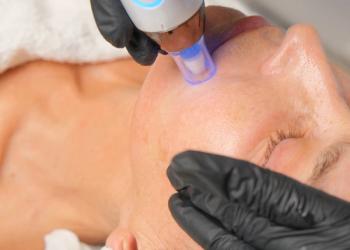
FDA warns of serious risks associated with RF microneedling, urging patient education and careful provider training to ensure safety in aesthetic dermatology.

Through 3 complex cases, participants explored practical ways to integrate agents like clascoterone and tazarotene into daily practice.

Mobile app SkinTracker enhances atopic dermatitis care through remote assessments, proving effective and convenient for patients while saving costs.

Explore the critical role of dermatologists in managing cutaneous toxicities from breast cancer therapies, enhancing patient quality of life and treatment outcomes.

Vimal Prajapati, MD, FRCPC, DABD, highlights guselkumab’s ability to achieve high levels of skin clearance in pediatric patients with moderate to severe plaque psoriasis.
Find out what skin care products and aesthetic innovations clinicians are recommending to patients for the month of October.

The trial evaluates ritlecitinib's efficacy for severe alopecia areata, utilizing innovative external placebo controls for enhanced patient outcomes.

Kachiu Lee, MD, MPH, FAAD, shares insights on aesthetic dermatology at the 2025 PDPA Keystone, emphasizing trust and communication over technology for optimal results.

Researchers found that while 96% of respondents use social media daily, most dermatologic information encountered online remains inaccurate or non-evidence-based.
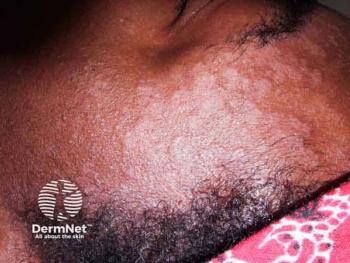
A novel 4% glycyrrhetinic acid scalp gel shows rapid relief for mild to moderate seborrheic dermatitis, enhancing treatment options with herbal ingredients.

Mark Kaufmann, MD, discusses how patient realities shape psoriasis treatment choices.

Topical dapsone shows promise in treating various mucocutaneous diseases, including rosacea and neutrophilic dermatoses, with a favorable safety profile.
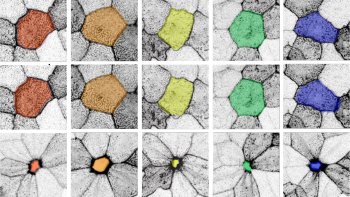
Yale researchers uncover how skin stem cells enhance healing during embryonic development, paving the way for advanced skin grafts and regenerative medicine.
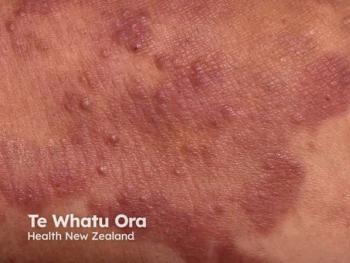
A recent case reinforced excimer laser therapy as a precise, efficient, and well-tolerated approach in managing cutaneous T-cell lymphoma variants.

Dermatologists play a vital role in identifying breast cancer symptoms, bridging gaps in care for conditions like Paget disease and inflammatory breast cancer.

During a Case-Based Roundtable event, Naiem Issa, MD, PhD, guided colleagues through 3 complex atopic dermatitis cases, highlighting how modern topicals can deliver rapid and durable control across age groups.
If passed, the Safe Step Act could reduce treatment delays by prohibiting step therapy for FDA-labeled, guideline-supported agents.

Regeneron's cemiplimab-rwlc gains FDA approval as the first immunotherapy for high-risk cutaneous squamous cell carcinoma, significantly improving disease-free survival.

Explore the latest advancements in retinoid technology with AlphaRet, enhancing skin tolerability and efficacy for diverse patient needs.

Researchers found new patients incurred 40% higher consultation costs due to longer clinician interaction times.
Palvella surpassed enrollment goals in its Phase 3 SELVA trial, enrolling 51 patients at leading US vascular anomaly centers.

Dermatologists enhance breast cancer care by managing skin issues, identifying genetic risks, and improving patient quality of life during treatment.

Put your dermatology expertise to the test with Dermatology Times’ interactive quiz series!

Explore the top headlines of the week, including insights on the latest clinical trials, therapeutic updates, and more.

In case you missed it, this week we had news about roflumilast's expanded access for children as young as 2, LP-10 for oral lichen planus, SYX-5219's IND clearance, and more.

This week, we feature top articles from our sister publications on regulatory updates, clinical trial insights, and more.

Amy Lewis, MD, integrates Glo2Facial into her practice to enhance patient relationships and promote early skin health through innovative aesthetic treatments.

A study reveals ixekizumab's effectiveness in treating mild to moderate plaque psoriasis, showing superior PASI responses and improved long-term outcomes.