

News|Articles|November 12, 2025
Dermatology Times Hosts 2025 Horizons in Advanced Practice Meeting
Listen
0:00 / 0:00
Key Takeaways
- Early intervention in psoriasis can prevent joint damage and reduce psoriatic arthritis risk, with biologics offering proactive management benefits.
- Type 2 inflammation is central to multiple dermatologic diseases, with cytokines contributing to itch and psychosocial distress.
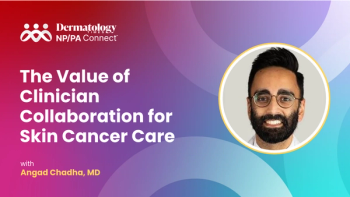
The exclusive event brought together physician assistants and nurse practitioners from across the country to review complex atopic dermatitis, psoriasis, chronic hand eczema, and hidradenitis suppurativa patient cases.
Advertisement
Today, Dermatology Times kicked off its
Attendees were led through patient cases by the chair of the meeting, Omar Noor, MD, FAAD, and co-chairs Lakshi Aldredge, MSN, ANP-BC, DCNP, FAANP, and Douglas DiRuggiero, DMSc, MHS, PA-C. Noor is a board-certified dermatologist and co-owner of Rao Dermatology in New York, New York, and a Dermatology Times Editorial Advisory Board member. Aldredge is a board-certified adult nurse practitioner at the VA Portland Healthcare System in the Dermatology Service and the director of the Primary Care NP Residency Program in Portland, Oregon. DiRuggiero is a board-certified physician assistant at the Skin Cancer & Cosmetic Dermatology Center in Cartersville, Georgia.
Breakout Sessions
The meeting featured 6 distinct breakout discussions moderated by the 3 chairs.
The highlights of the psoriasis sessions included that early intervention can help prevent structural joint damage and reduce the risk of progression to psoriatic arthritis. Data suggest that treatment with certain biologics is linked to a lower likelihood of developing psoriatic arthritis, highlighting the importance of proactive disease management. Among emerging options, icotrokinra has demonstrated efficacy in high-impact sites such as the scalp, nails, and genital areas. For patients who benefit from simplified regimens, clinician–administered options may improve adherence. Finally, a reminder to remain mindful of access considerations, including buy-and-bill logistics, alternative care settings, and Medicare coverage nuances.
A special type 2 inflammation session highlighted its role as the central pathway driving multiple dermatologic diseases, including atopic dermatitis, prurigo nodularis (PN), chronic spontaneous urticaria (CSU), and bullous pemphigoid (BP). Cytokines such as IL-4, IL-13, IL-5, and IL-31 were identified as key mediators contributing to itch, sleep disruption, and psychosocial distress across these conditions. There is also an emphasis on recognizing comorbidities—particularly allergic disease, infection risk, and cardiovascular implications in atopic dermatitis—and the role of interrupting the itch-scratch cycle to alleviate disease burden.
The key takeaways of the CHE session included how JAK/STAT signaling plays a central role in the pathophysiology of CHE across its heterogeneous subtypes, which often overlap within individual patients. Given its variable clinical presentation, CHE remains challenging to diagnose and manage, with significant physical, psychosocial, occupational, and socioeconomic impact on patients’ quality of life. Emerging topical JAK inhibitors, such as delgocitinib, represent a novel anti-inflammatory approach and have demonstrated favorable efficacy and safety in clinical studies.
The AD-specific session focused on individualized management strategies, emphasizing treatment selection based on patient age, disease severity, site involvement, and family preference. Experts will discuss the expanding nonsteroidal topical landscape, highlighting agents such as tapinarof, ruxolitinib, and roflumilast that offer improved tolerability, safety, and long-term control. The session also addressed how broadened age approvals are improving access to safe, effective options across diverse patient populations.
The HS session explored evidence-based strategies for managing moderate to severe HS, emphasizing the benefits of introducing biologic therapy earlier in the disease course. Discussions also addressed clinical assessment beyond traditional Hurley staging, highlighting alternative methods to better characterize moderate disease. Finally, attendees will discuss new biologics, small molecules, and individualized approaches to optimize patient outcomes.
Connect With Us
Dermatology Times is committed to empowering dermatology physician assistants and nurse practitioners throughout their careers. For those interested in contributing written content or expert interviews, email
Stay tuned for more content from the meeting, including exclusive interviews with the chairs of the meeting and attendees. For more information on attending Dermatology Times events, subscribe to
Advertisement
Related Content
Advertisement

Latest CME


Advertisement
Advertisement
Trending on Dermatology Times
1
How Emerging Androgenetic Alopecia Therapies Target DHT at the Scalp Level
2
Social Media Mythbusters: Beef Tallow
3
Dermatology Times Inaugural NP/PA Connect Cutaneous Oncology Workshop Kicks Off in Tampa
4
25 Years Later: Remembering September 11 Through the Lens of Dermatologic and Burn Care
5