

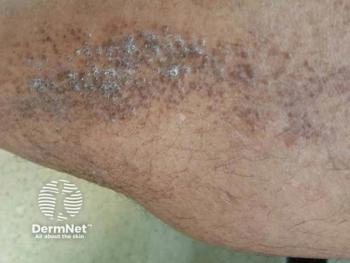
Selective JAK1 inhibition with upadacitinib may offer a fast-acting, steroid-sparing option for refractory lichen amyloidosis by interrupting IL-31–mediated itch and the itch–scratch cycle.
Selective JAK1 inhibition with upadacitinib may offer a fast-acting, steroid-sparing option for refractory lichen amyloidosis by interrupting IL-31–mediated itch and the itch–scratch cycle.

Discover how mesotherapy with hyaluronic and succinic acids significantly improves rosacea symptoms, offering a cost-effective adjunct therapy option.

Psoriasis complicates wound healing due to systemic inflammation, affecting recovery and requiring tailored clinical approaches for optimal patient outcomes.
Jorge Garcia-Zuazaga, MD, MBA, FAAD, FACMS, discusses Apex Skin’s mission to make research more representative and accessible through integrated, multisite dermatology practices.
Discover how the Glo2Facial revolutionizes aesthetic dermatology with innovative skin oxygenation and customizable treatments for radiant, youthful skin.

Brownstone’s PDPA session explores how class labeling and insufficient data can mislead clinicians and alarm patients unnecessarily.

A late-breaking EADV presentation revealed that ritlecitinib significantly improved outcomes in patients with multiple forms of scarring alopecia.

New research highlights the psychosocial impact of rosacea on Chinese patients, linking lifestyle factors and comorbidities to quality of life.

Radiation dermatitis significantly affects breast cancer patients, impacting quality of life and treatment. Discover effective prevention and management strategies.

Explore real-world psoriasis management insights from Anthony Nuara, MD, PhD, focusing on patient-centered approaches and innovative treatments like tildrakizumab.
The FDA has approved roflumilast 0.05% cream for atopic dermatitis in children aged 2 years and older, extending its use to a critical pediatric population.

A new trial reveals that combining Excimer laser with JAK inhibitors significantly enhances vitiligo treatment outcomes, ensuring safety and durability.

Findings suggest that physical activity alone may not meet the psychosocial needs of vitiligo patients, emphasizing the need for targeted mental health care.

This review of the latest dermatologic studies highlights new research on mitigating irritation from 0.1% retinol, OTC therapies for alopecia, the perception of skin lesions by HCPs in the delivery room, and more.

The biologic’s less frequent injections could ease logistical and emotional strain for patients with atopic dermatitis and their families.

New research highlights the link between isotretinoin dosage and increased chronic hand eczema, emphasizing the need for careful monitoring during acne treatment.
Lipella Pharmaceuticals' LP-10 shows promise as a targeted treatment for OLP, offering safety and efficacy in recent trials, according to Michael Chancellor, MD.

Discover the latest IPC consensus on psoriasis severity reclassification, enhancing treatment strategies for better patient outcomes and quality of life.
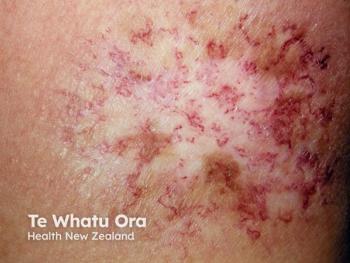
Dermatologists play a crucial role in breast cancer care, enhancing patient outcomes through early detection and innovative research on keratin-targeting therapies.

Delgocitinib showed consistent efficacy in atopic, irritant, allergic, and hyperkeratotic forms of chronic hand eczema in pooled trial data.

Sitryx Therapeutics advances SYX-5219 for moderate to severe AD, aiming for a first-in-class oral treatment with potential for lasting disease remission.

The investigational extended-release tablet maintained therapeutic plasma levels while avoiding peaks linked to cardiovascular risk.

Brian Kim, MD, FAAD, explores the transformative role of neuroimmunology in dermatology, urging a shift towards systems-level therapeutic strategies.

Explore the vital role of dermatology in breast cancer care, from early detection to managing skin issues related to treatment and radiation.

The approval represents the sixth FDA authorization for roflumilast since 2022.

Put your dermatology expertise to the test with Dermatology Times’ interactive quiz series!

Explore the top headlines of the week, including insights on the latest clinical trials, therapeutic updates, and more.
In case you missed it, this week we had news about the FDA approvals of guselkumab for pediatric plaque psoriasis and PsA, along with remibrutinib for CSU, LEO Pharma's acquisition of spesolimab for GPP, and more.

This week, we feature top articles from our sister publications on regulatory updates, clinical trial insights, and more.
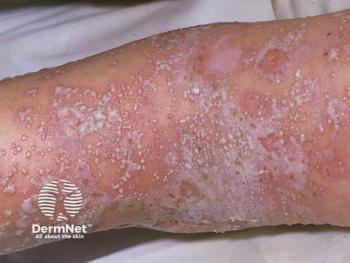
Spesolimab joins LEO Pharma’s dermatology portfolio to further expand spesolimab’s reach for patients worldwide with generalized pustular psoriasis.