

News|Videos|November 7, 2025
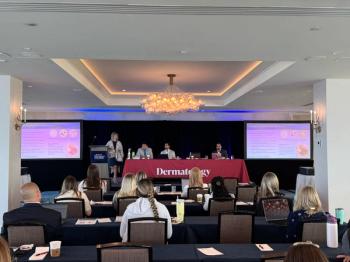
Kassandra Holzem, MD, Shares Clinical Insights on Toxicities, GVHD, and Red Flags at SDPA Fall 2025
Key Takeaways
- Maintaining a broad differential diagnosis and a low threshold for biopsy is crucial in dermatology, especially for atypical presentations.
- Understanding graft-versus-host disease (GVHD) is essential for dermatologists to engage in effective multidisciplinary care.
Kassandra Holzem, MD, shares vital insights on dermatology red flags and GVHD management, enhancing oncology care at SDPA Fall 2025.
Advertisement
Kassandra Holzem, MD, assistant professor of dermatology at the Medical College of Wisconsin, shared key clinical insights and forward-looking perspectives from her work in oncodermatology and medical education at
In her first session of the day, titled “Difficult Cases & Red Flags in Dermatology: When to Admit from the Clinic,” Holzem emphasized the importance of maintaining a broad differential diagnosis, particularly for presentations that seem atypical or concerning.1 She urged clinicians to keep potentially serious diagnoses in mind, maintain a low threshold for biopsy when a lesion behaves unexpectedly, and to escalate care promptly when systemic symptoms or an unwell appearance raise red flags.
Holzem also presented “The Fundamentals of Cutaneous GVHD for Clinical Practice,” a session aimed at demystifying graft-versus-host disease (GVHD) for dermatologists.2 She noted that many dermatologists have limited exposure to hematology/oncology during training, which can make GVHD feel daunting. By developing a solid understanding of stem cell transplantation and GVHD pathophysiology, dermatologists can more confidently engage in multidisciplinary discussions and co-manage patients effectively.
“Don’t be afraid of graft-versus-host disease,” she advised. “Feel empowered to have those good conversations with the oncologist to make sure that the patients are getting appropriate treatment.”
Reflecting on major developments in 2025, Holzem highlighted the expanded FDA indications for dupilumab (Dupixent), now approved for chronic spontaneous urticaria and bullous pemphigoid. She noted it was particularly exciting for patients with bullous pemphigoid secondary to cancer therapies, offering an effective, non-immunosuppressive treatment option.
Looking ahead to 2026, Holzem expressed optimism about the maturation of oncodermatology as a specialty. As more data emerge on the dermatologic effects of newer cancer therapies, she anticipates clinicians will be able to recognize, describe, and treat these complex presentations, ultimately improving supportive care for oncology patients.
“As the niche within dermatology or oncodermatology gets older, if you will...I feel like we’ll just have more and more knowledge and [be] better equipped to treat the patients,” Holzem concluded.
References
1. Holzem, K. Difficult Cases & Red Flags in Dermatology: When to Admit from the Clinic. Presented at: Society of Dermatology Physician Associates Fall 2025 Conference; November 5-9, 2025; San Antonio, Texas.
2. Holzem, K. The Fundamentals of Cutaneous GVHD for Clinical Practice. Presented at: Society of Dermatology Physician Associates Fall 2025 Conference; November 5-9, 2025; San Antonio, Texas.
Advertisement
Related Content
Advertisement
Latest CME


Advertisement
Advertisement
Trending on Dermatology Times
1
How Emerging Androgenetic Alopecia Therapies Target DHT at the Scalp Level
2
Social Media Mythbusters: Beef Tallow
3
Dermatology Times Inaugural NP/PA Connect Cutaneous Oncology Workshop Kicks Off in Tampa
4
25 Years Later: Remembering September 11 Through the Lens of Dermatologic and Burn Care
5