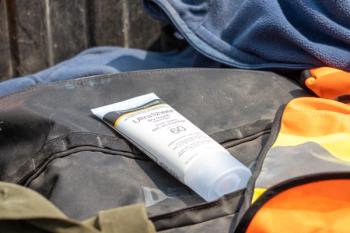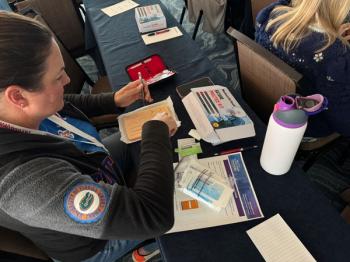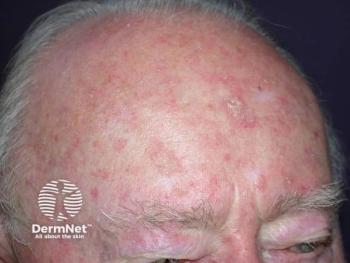
Faculty from the Cutaneous Oncology Workshop answer practical questions spanning skin cancer prevention, diagnosis, treatment, and follow-up.
Explore how a groundbreaking initiative by Hayden Middleton, PA-C, bridges dermatology and nutrition, enhancing patient care and clinician fulfillment.
In a compelling episode of Derm Dispatch with Hayden Middleton, PA-C, a family medicine PA based in St. Paul, Minnesota, and adjunct faculty in the Doctor of Medical Science Program at Augsburg University, the conversation centered on a groundbreaking, multidisciplinary initiative examining the role of nutritional deficiencies in dermatologic manifestations. The project, led by Middleton and supported by an extensive collaborative team, aims to develop clinical practice guidelines that bridge gaps between dermatology, primary care, and nutrition science, equipping providers with practical, research-driven tools to improve care.
Middleton emphasized that his “why” has always guided his career, both as a clinician and researcher. Early on, his curiosity about clinical uncertainty led him into research, beginning with dermoscopy in primary care. He now applies that same investigative spirit to nutrition and skin health, recognizing that deficiencies in nutrients such as vitamin B12 and zinc often first present through cutaneous signs. Identifying these manifestations early can prevent unnecessary testing, reduce costs, and improve patient outcomes.
The forthcoming guidelines will distill an overwhelming volume of literature into practical, evidence-based recommendations. These will include clear “if-this, then-that” clinical statements, such as when to order specific tests like zinc levels in cases of perioral or seborrheic dermatitis. Each recommendation will be graded based on strength of evidence, allowing clinicians to gauge reliability at a glance. Importantly, the consensus process will integrate insights from dermatology specialists, primary care providers, physicians, and nutrition experts.
"I think it's going to be educational for even the top dermatology PA, who's been practicing for 30 years, and I think it's also going to be really helpful for the primary care PA who knows nothing about dermatology," Middleton said.
Middleton highlighted that the project not only benefits patient care but also reenergizes clinicians, offering professional fulfillment beyond routine practice, a meaningful antidote to burnout. The discussion, filmed at the
The anticipated guidelines will underscore balanced dietary approaches—such as the Mediterranean diet—and the skin–gut axis’s influence on inflammation and disease. While the project promises to answer many questions, Middleton noted it will also generate new research opportunities, reflecting the evolving intersection of nutrition and dermatology