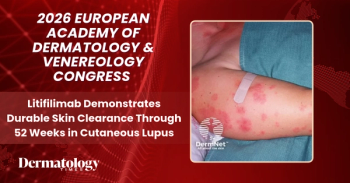
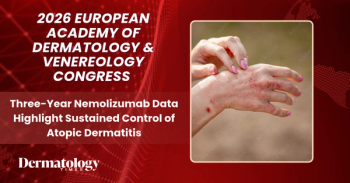
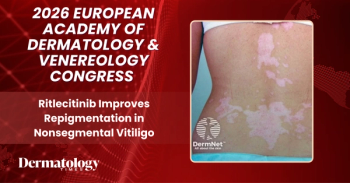
New EADV 2026 data highlighted real-world outcomes in adults with chronic hand eczema and improvements in itch, pain, and quality of life among adolescents treated with delgocitinib cream.
Hilary Baldwin, MD, shares tips for diagnosing rosacea in patients with darker skin tones.
Addressing issues in recognizing rosacea in patients with skin of color continues to be an important topic,
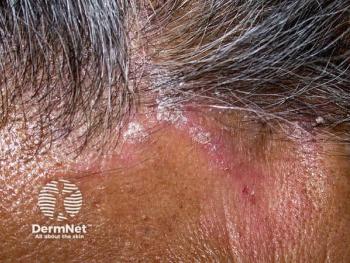
Erythema, one of the earliest signs of
In many cases, aside from obviously papules and phyma, symptoms rather than visible findings offer the clearest clues to diagnosis, she added. Baldwin recommends asking about sensations such as “itch, burn, sting, maybe some feeling of warmth in the skin that perhaps is episodic” that are indicative of a potential diagnosis.
Baldwin outlined several practical strategies to enhance recognition. For instance, using a glass slide for compression could help clinicians better appreciate subtle erythema by blanching surrounding vessels. Dermoscopy also allows improved visualization of telangiectasias. Ultimately, she emphasized the importance of clinical vigilance: “A diagnosis not considered is a diagnosis not made.”
Once diagnosed, Baldwin noted that therapeutic approaches for rosacea in patients with skin of color were “exactly the same as for lighter skinned individuals,” with one important exception. She cautioned that clinicians should avoid excessive irritation from topical agents, as this could lead to iatrogenic postinflammatory hyperpigmentation. “We need to be a little bit more gentle,” she said in the interview.
For that reason, Baldwin favors the newest branded products for the topical treatment of rosacea. When systemic therapy was needed, she turns to options such as modified-release doxycycline, low-dose minocycline, or low dose isotretinoin, which she described as very helpful for papules and pustules.
Baldwin underscored that improved diagnostic awareness could significantly enhance outcomes for patients whose rosacea might otherwise go unrecognized.
References
1. Baldwin H.
2. Lim HW, Zhang C, Taylor M, Dlova NC, Conceição K, Jablonski N, Gupta N, Wangari-Olivero J, Alexis A.