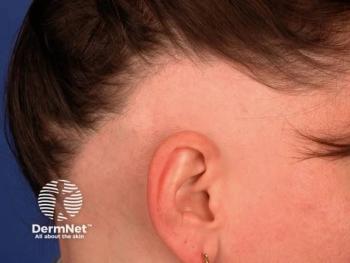
The FDA approval, based on 36-week data from the phase 3 BRAVE-AA-PEDS trial, extends baricitinib access to patients as young as 12 years old with severe alopecia areata.
At the Elevate-Derm Fall Conference, Peter Lio, MD, highlighted practical strategies for corticosteroid stewardship, the expanding role of nonsteroidal topicals, and emerging opportunities in early-age indications that are reshaping pediatric inflammatory dermatoses care.
Peter Lio, MD, a board-certified dermatologist and clinical assistant professor of dermatology and pediatrics at Northwestern Feinberg University School of Medicine in Chicago, Illinois, presented at the
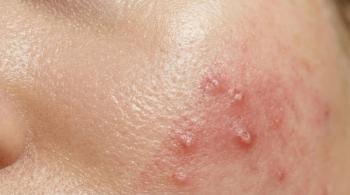
Lio emphasized a pragmatic, stewardship-driven approach to topical corticosteroids while outlining an increasingly robust nonsteroidal therapeutic landscape—particularly meaningful for pediatric populations. He noted that corticosteroids remain foundational first-line agents, but their long-term safety considerations require intermittent use and close follow-up. Effective stewardship, he explained, hinges on maintaining therapeutic benefit while avoiding chronic, unsupervised exposure that can lead to complications, including topical steroid withdrawal (TSW).
Regarding TSW, Lio mentioned a rising anxiety among patients and caregivers, a concern he addresses proactively through careful monitoring and early course-correction. He reassures families that vigilant oversight, appropriate potency selection, and timely tapering remain central to preventing overuse. This clinician-led vigilance, he said, helps minimize risk while preserving the efficacy of corticosteroids when indicated.
The second major theme of his discussion centered on the rapid evolution of nonsteroidal topical therapies. Agents such as tapinarof, ruxolitinib, and roflumilast—now approved down to age 2—offer comparable or, in select cases, superior risk–benefit profiles relative to corticosteroids, particularly regarding tolerability and suitability for sensitive anatomic sites or chronic management. Lio highlighted early-age studies underway, including investigations of topical roflumilast down to 3 months of age, which hold potential to expand safe treatment options for infants.
Finally, he emphasized a holistic management approach that integrates inflammation control with comprehensive skin-barrier support, appropriate OTC product selection, stress-reducing strategies, and lifestyle optimization. This multidimensional framework, he noted, can reduce reliance on corticosteroids, improve long-term skin stability, and support recovery in patients with existing TSW.